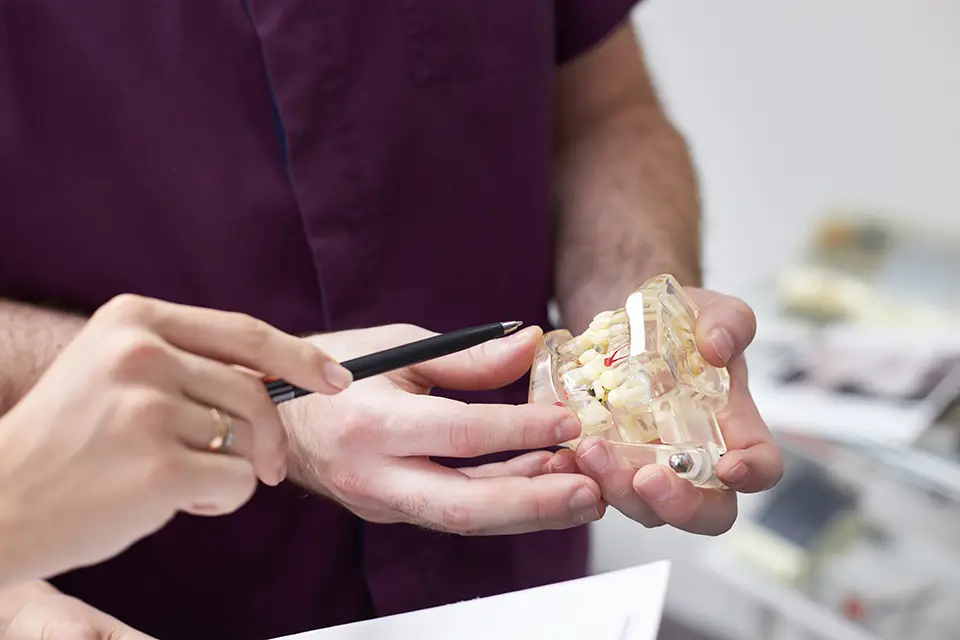
Choosing between ridge augmentation vs bone graft is usually about one thing: rebuilding enough healthy jawbone to support dental implants safely and keep the gumline aesthetics looking natural. If you have been told your ridge is too thin or you have had a tooth missing for a while, this decision affects both implant stability and how your smile sits in daily life. A careful examination, often with a CBCT scan, helps your dentist measure bone height, width, and quality before recommending a plan.
At our dental clinic in Sidcup, we explain treatment options in clear language, including healing expectations and the factors that can influence predictability. This guide will help you understand ridge augmentation vs bone graft and arrive at your consultation with the right questions.
Lorem ipsum dolor sit amet, consectetur adipiscing elit. Ut elit tellus, luctus nec ullamcorper mattis, pulvinar dapibus leo.
Why Bone Loss Matters Before Dental Implants
Bone loss matters because dental implants need stable bone support to handle everyday chewing forces without strain. When the ridge becomes thin or uneven, the implant may have to be placed at a compromise angle, which can affect bite balance, cleaning access, and long-term predictability. In practical terms, rebuilding bone can help your dentist position the implant in the safest location, so the final crown looks and functions like a natural tooth.
Just as importantly, bone volume influences the gumline appearance, especially for front teeth, where small changes show when you smile. If you are weighing ridge augmentation vs bone graft, the starting point is always measuring bone height and width, then matching the approach to your implant goals.
What Is Ridge Augmentation?
Ridge augmentation is a way to rebuild the jaw ridge in an area where bone has thinned after a tooth was lost. The aim is to create enough ridge width and enough ridge height so a dental implant can be placed in the safest position, not simply the only position available. That matters for bite forces, day-to-day cleaning, and how naturally the final crown sits within the gumline.
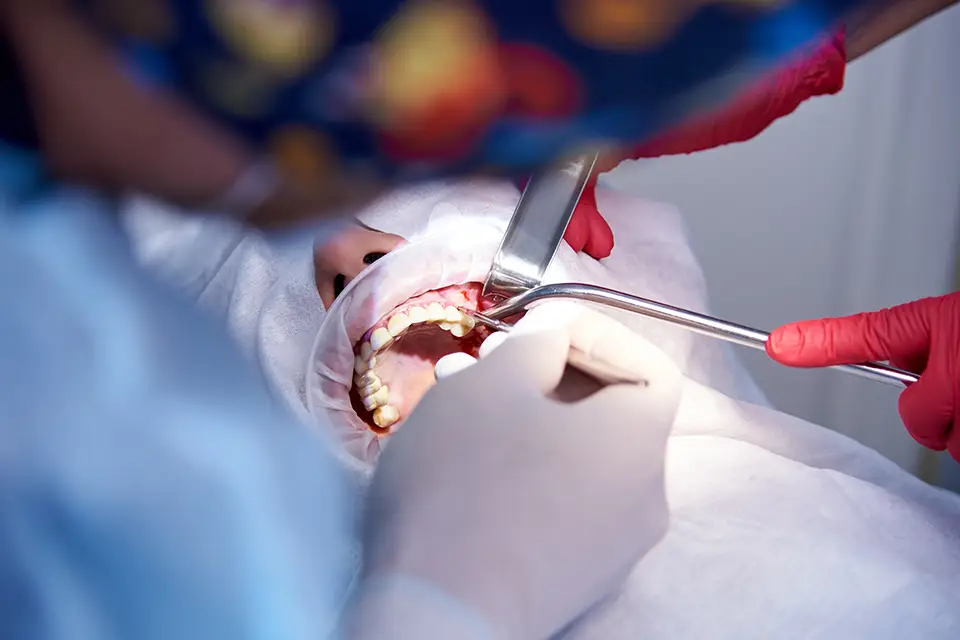
Ridge augmentation often involves placing bone graft material and then allowing time for the body to heal and strengthen the site. Your dentist chooses the technique based on the shape of the defect, the implant plan, and whether the area is visible when you smile.

What Is a Bone Graft?
A bone graft is a way of rebuilding the jawbone that has reduced after tooth loss, gum disease, or long periods without a tooth in place. In simple terms, it provides extra bone support so an implant can be positioned properly and remain stable under everyday chewing forces. Your dentist may use bone from a processed donor source, a synthetic substitute, or, in selected cases, a small amount of your own bone, depending on what the site needs.
Bone grafting is also commonly used alongside ridge augmentation when the ridge shape must be improved, as well as the overall bone volume.
Ridge Augmentation vs Bone Graft: The Key Differences
If you are weighing ridge augmentation vs bone graft, think about what needs fixing. A bone graft is mainly about rebuilding lost bone volume so an implant has solid support and can be placed in the right position. Ridge augmentation looks at the ridge itself. It focuses on restoring ridge width and contour, which matters when the ridge has collapsed, when the gumline would otherwise look flat, or when the implant needs a better “shape” to sit in.
In practice, the two often overlap. Ridge augmentation commonly involves graft material, but the plan is guided by your scan, the location of the missing tooth, and whether the final result must look natural in the smile zone.
Success, Healing Time, and Cost
In most straightforward cases, ridge augmentation vs bone graft can be planned with a high level of confidence, but predictability depends on the basics being right. Smoking or vaping and active gum disease are two of the most common reasons healing slows down, so your dentist may recommend stabilising those risks first. The scan also matters because bone quality and bite forces influence how robust the result is likely to be.
Recovery tends to feel front-loaded. Expect a few days of swelling and tenderness, then a longer, quieter period while the site strengthens over weeks to months before implants. In the UK private sector, costs can range from several hundred to a few thousand pounds, and your personal fee will vary with the number of sites, graft material, and complexity confirmed at assessment.
Risks and Who May Not Be Suitable
Before deciding on ridge augmentation vs bone graft, it is worth knowing what can go wrong and who may need extra preparation.
- It is normal to have swelling and tenderness and some light bleeding for the first day or two.
- Possible complications include infection or poor integration, delayed healing, or partial shrinkage of the grafted area, which can change the implant timeline.
- Extra caution is needed if you smoke or vape, have uncontrolled diabetes, are being treated for active gum disease, or take medicines that affect bone health.
- Contact the clinic urgently if swelling is increasing after two days, pain is worsening, or you develop a fever.
Conclusion and Next Steps in Sidcup
If you are weighing ridge augmentation vs bone graft, the most useful next step is confirming what is actually missing. A scan shows whether you need extra bone volume, a better ridge shape, or a combination so your implant can be placed in the right position and cleaned properly for the long term. Because healing and fees vary from person to person, reliable advice starts with an in-person assessment, not online estimates.
At Ardent Sidcup Dental Clinic, we provide straightforward guidance and careful implant planning. Find us at 150 Halfway St, Sidcup DA15 8DG, United Kingdom, and book a consultation to discuss your options.
FAQs
Do I always need a bone graft before dental implants?
Not always. If your scan shows adequate bone volume and stable gum health, an implant may be placed without grafting. When the ridge is thin, a bone graft can rebuild support and reduce the risk of a compromised implant position.
Is ridge augmentation vs bone graft the same treatment?
They overlap, but the focus differs. A bone graft mainly rebuilds bone support, while ridge augmentation aims to restore ridge shape and contour for function and a natural-looking gumline, especially in the smile zone.
How long does healing take before an implant can be placed?
Early recovery usually settles within days, but bone strengthening takes longer. Healing time depends on graft size and site, your general health, and whether the implant is staged or placed later.
What can improve success after treatment?
The biggest levers are stopping smoking or vaping and keeping gum disease controlled, plus following aftercare and review visits, so healing is monitored properly.