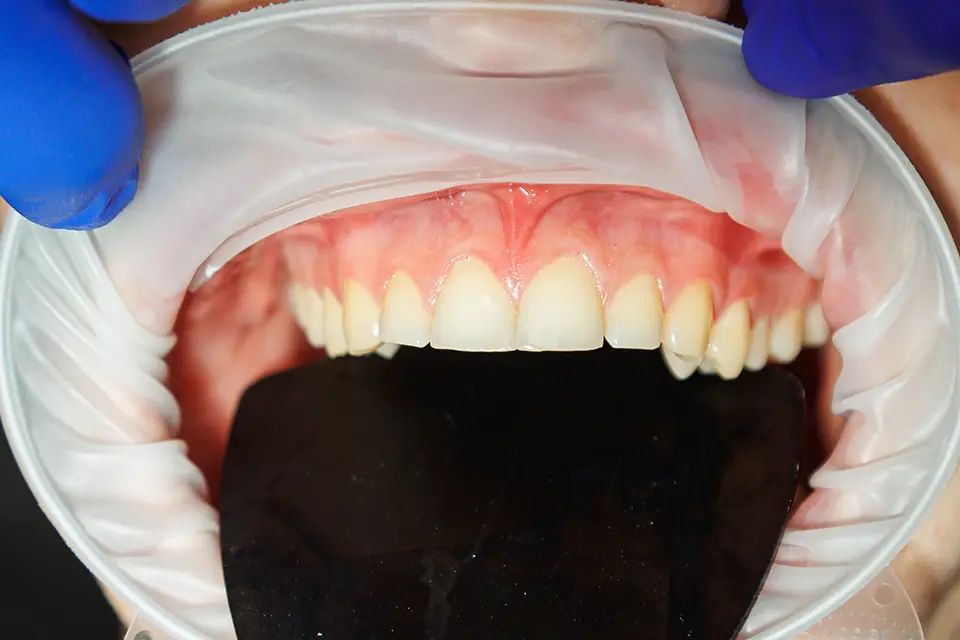
When a tooth is missing, the jaw ridge stops receiving the routine chewing pressure that helps keep the bone dense and stable. Over time, bone remodelling can narrow and flatten the alveolar ridge, sometimes faster in the first months after an extraction. Patients often notice changes in denture fit, gum shape, or food trapping, even when the area feels “healed.”
In implant planning, the lost width matters. Ridge augmentation rebuilds the ridge so an implant can be positioned in healthier bone and supported long term. A clinical assessment and imaging at our dental clinic in Sidcup can confirm how much bone has changed and whether implant stability would benefit from grafting before treatment.
What Is Ridge Augmentation?
Ridge augmentation is a treatment used to rebuild the jaw ridge when bone has thinned or collapsed after tooth loss. Instead of placing an implant into a narrow foundation, the aim is to restore ridge width and contour so your implant can be positioned safely, with better long-term support for chewing and bite balance.
Most ridge augmentation plans involve a bone graft to replace missing volume and guide the area to heal with stronger bone. The exact method depends on how much bone has been lost, where the future implant will sit, and your overall oral health, so your plan is tailored rather than routine.
Do I Need Ridge Augmentation Before Dental Implants?
You may need ridge augmentation before dental implants if the jaw ridge has narrowed or dipped enough that an implant would sit too close to the gum edge or outside solid bone. This often happens when a tooth has been missing for a while, after periodontal bone loss, or when the extraction site healed with reduced ridge width.
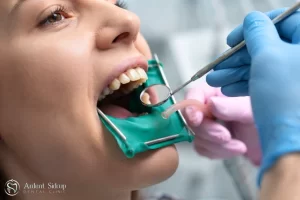
The best way to know is a focused implant assessment. Your dentist checks bone volume with an exam and imaging, then explains whether implant site preparation is necessary. When ridge augmentation is advised, it is usually to place the implant in a safer, more natural position and support long-term function, not to “add extra steps.”
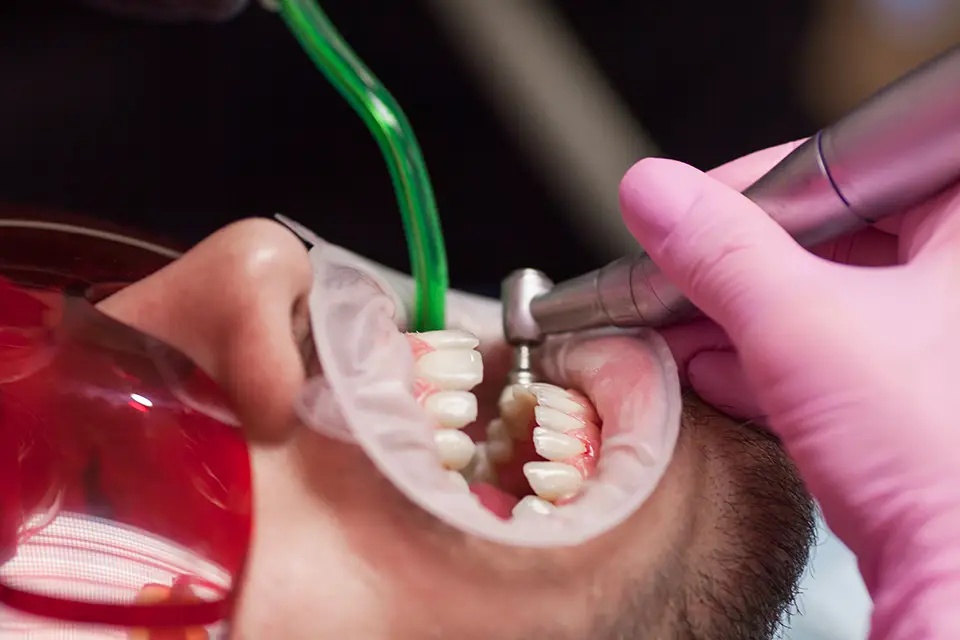
Ridge Augmentation Procedure: Step-by-Step
Ridge augmentation is planned around your implant position, so the goal is to rebuild the ridge with enough strength and width for predictable support and natural-looking results before implants in Sidcup.
- A focused exam and imaging confirm bone volume and measure ridge width at the implant site
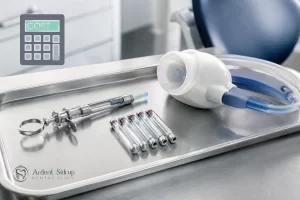
- Local anesthesia is used, and the area is gently opened to access the deficient ridge
- Graft material is placed to rebuild shape, often supported with a membrane, then secured with stitches for stable healing
- You receive clear aftercare instructions, and follow-up visits check integration before the implant timeline is confirmed
Healing Time After Ridge Augmentation: When Can I Get Dental Implants?
Healing after ridge augmentation is not a one-week event. The graft needs time to bond with your own bone and become firm enough to support an implant without shortcuts. For many patients, that means thinking in months, not days, and implant placement is often assessed around the 3 to 6 month mark, depending on the size and location of the graft.
Your timeline can shift based on how much bone was rebuilt, smoking status, gum health, and how closely aftercare is followed. We normally confirm readiness with a review appointment and imaging, so the implant goes into stable bone, not “almost-healed” bone.
How Painful Is Ridge Augmentation?
Most people describe ridge augmentation as “more uncomfortable than painful.” You’re numb during treatment, so you mainly notice pressure and vibration, not sharp pain. After the anesthetic wears off, expect mild to moderate tenderness for a few days, especially when eating or brushing near the area, and your dentist’s pain-control plan usually keeps this well-managed.
What helps most is protecting the graft site. Choose soft, cool foods, avoid smoking, and follow cleaning instructions carefully. If pain is getting worse after day three, or you see increasing swelling or discharge, contact your clinic promptly so it can be checked early.
Risks and Complications: What to Know
Most patients go through ridge augmentation without complications, but it is still a surgical procedure, so being clear on the “watch-outs” is sensible. Swelling, bruising, and light bleeding in the first couple of days are common. The less common concerns are infection, the stitches loosening, or the graft area healing more slowly than planned, which can delay the next step in your implant timeline.
Get in touch quickly if you notice worsening pain, swelling that increases after day three, a persistent bad taste, or discharge. Good aftercare, gentle cleaning, and avoiding smoking give ridge augmentation the best chance to heal smoothly.
Success Rate: How Successful Is Ridge Augmentation?
Most cases of ridge augmentation heal predictably when the procedure is properly planned, and the patient follows aftercare. In practical terms, success means the graft becomes firm, stable bone that provides reliable implant support, allowing the implant to be placed in a safer, more ideal position rather than “where it happens to fit.”
Outcomes depend on case complexity, graft size, smoking, gum health, and oral hygiene. That is why clinicians confirm healing with review appointments and imaging before moving ahead. If adjustments are needed, they are usually identified early, which protects your long-term implant result and reduces the chance of avoidable setbacks.
Bone Graft Vs Ridge Augmentation: What's the Difference?
A bone graft is the building material and the healing process that helps your body replace missing jawbone. It may be used after an extraction, in areas affected by gum disease, or around an implant site when there is not enough support. The aim is new bone formation where strength and volume are needed.
Ridge augmentation is the wider plan for rebuilding the jaw ridge itself when it has narrowed or flattened. The focus is on restoring ridge width and contour so an implant can be placed in the correct position and supported long term. Put simply, bone grafting is often the method used, while ridge augmentation is the goal and design of the treatment.
Ridge Augmentation Cost in Sidcup: What Affects the Price?
Costs for ridge augmentation in Sidcup vary because no two ridges lose bone in exactly the same way. After a clinical assessment and imaging, your dentist can explain what is actually required. As a general reference only, ridge augmentation can sometimes fall in the £600 to £2,500+ range, but your fee may be higher or lower depending on the site and the materials used, and it can only be confirmed after an exam.
Price is mainly shaped by how much bone must be rebuilt, the graft and membrane approach, and whether the case is being coordinated with implant planning. Review appointments and imaging are also part of what makes the result predictable.
Conclusion: Is Ridge Augmentation Worth It Before Implants?
For many patients, ridge augmentation is worth it because it creates the bone width and support needed for stable implant placement, rather than forcing an implant into a compromised position. If you want a predictable function and a natural-looking result, an exam and imaging can confirm whether ridge augmentation is the right foundation before implants.
FAQs
How long should I wait before returning to normal eating?
After ridge augmentation, most people start with soft foods for several days, then gradually return to normal chewing as tenderness settles. Avoid hard, crunchy foods that can disturb the graft site, and follow your dentist’s guidance for safe healing.
Do I need antibiotics after ridge augmentation?
Sometimes. Antibiotics may be recommended based on infection risk and the complexity of your graft, but they are not automatic for every patient. Always take medications exactly as prescribed and report any side effects.
What happens if the graft does not integrate fully?
It does not automatically mean failure. Your dentist will assess bone healing with follow-up visits and imaging, and may adjust the plan, allow more time, or recommend additional grafting, so implant placement stays predictable.