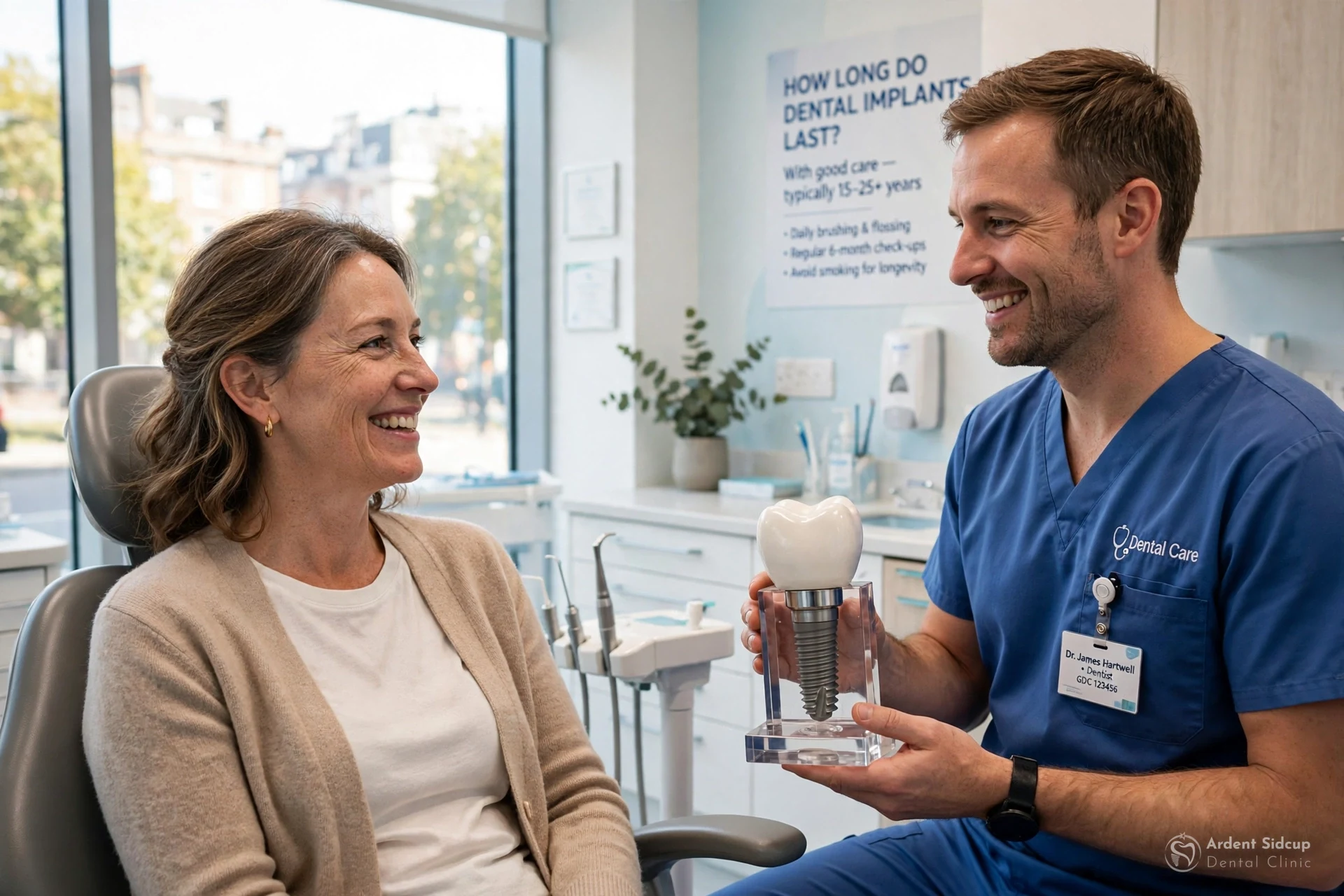
Losing a tooth isn’t just about your smile. Eating gets awkward. And you’re left weighing up which replacement will actually go the distance. Dental implants give you a strong, natural-looking fix, but most patients ask the same thing first: How long do dental implants last?
Look after them properly and the implant post can serve you for decades — sometimes a lifetime. The visible crown is a different story; it may need replacing sooner. Your dental implant lifespan also comes down to gum health, daily cleaning and lifestyle habits. Here’s what you should know before you decide.
How Long Do Dental Implants Last on Average?
With suitable care, dental implants can stay functional for 20 years or longer. The British Society of Periodontology puts it at 10–20 years before retreatment becomes necessary. But your dental implant longevity hinges on healthy gums, strong bone support and regular dental reviews.
The research is encouraging, too. Leeds Teaching Hospitals reports that approximately 90% of implants remain functional after ten years. Still, how many years do dental implants last differs from patient to patient. One person’s implant keeps going for years while its crown needs maintenance or replacing. That’s just how it goes.
Can Dental Implants Really Last a Lifetime?
Yes. Some implants really do last a lifetime. But do dental implants last forever for everyone? Not necessarily. Smoking, gum disease and sloppy cleaning can all cut their lifespan short. Keep the care consistent, though, and can dental implants last a lifetime stops being a hope and starts looking realistic — a possibility, mind you, not a guarantee.
Implant Post vs. Crown: Which Lasts Longer?
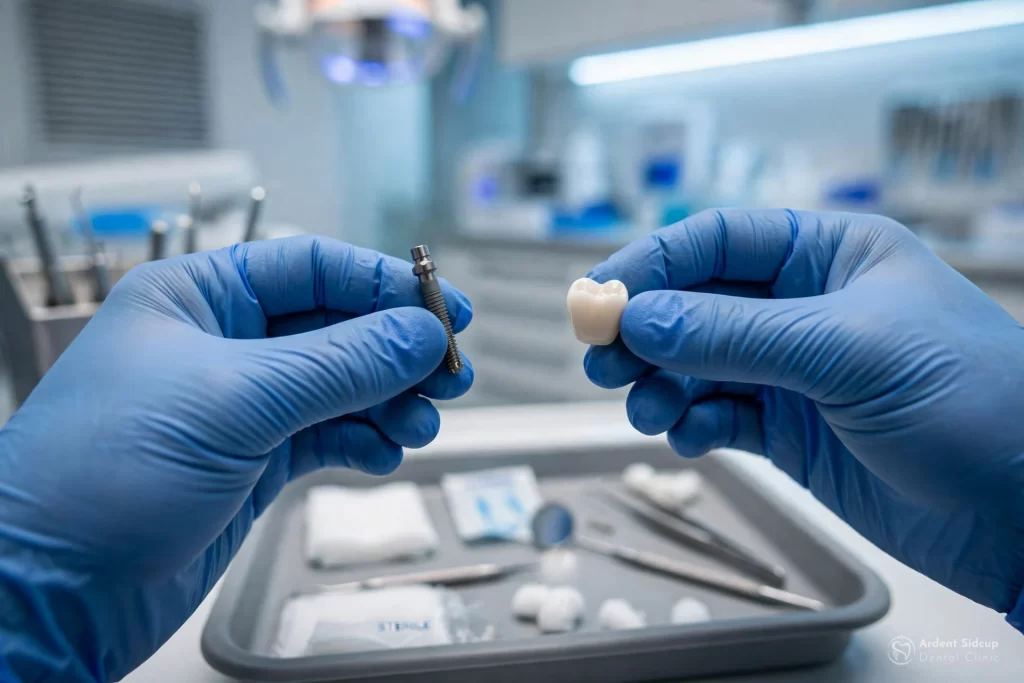
An implant isn’t one piece. It’s three main components, and each one wears differently. The titanium implant post sits inside your jawbone. The implant abutment then connects that post to the crown. Once you see how the parts fit together, it makes sense why one component might need replacing while another stays perfectly healthy.
| Implant component | Expected lifespan |
|---|---|
| Titanium implant post | Often decades; potentially a lifetime |
| Dental implant crown | Commonly around 10–15 years, sometimes longer |
| Abutment | Many years, depending on wear and mechanical condition |
Treat those figures as general expectations, not fixed replacement dates. The material your crown is made from plays a part too, and our dental crowns page walks through the restoration materials in detail.
Why Do Dental Implants Last So Long?
Removable dentures sit on your gums. Implants don’t — they draw support straight from your jawbone, and their carefully designed surfaces encourage a stable connection with the surrounding bone. That makes them a dependable long-lasting tooth replacement option, one that supports comfortable chewing without leaning on neighbouring teeth.
The real trick is the osseointegration process, which lets bone form close contact with the implant surface. That connection builds during healing and gives lasting stability. Healthy bone and gums still matter, though. Implants aren’t completely immune to complications.
How Titanium Bonds With Your Jawbone
Picture an implant as the foundation under a house. During healing, bone grows right up against the titanium implant post, and that creates firm support. It isn’t quick — the process often takes several months. And if your jawbone density is poor or there isn’t enough bone volume, you may need additional treatment before placement.
What Factors Affect the Lifespan of Dental Implants?
Even a perfectly placed implant needs a healthy environment to survive. Clean poorly and plaque collects around the gumline, pushing up the risk of inflammation and infection. Left alone, those problems gradually damage the supporting tissues and can contribute to dental implant failure when patients delay treatment.
Hygiene isn’t the whole story, though. Smoking, uncontrolled diabetes, previous gum disease and heavy biting pressure all feed into what affects dental implant lifespan. Your dentist should weigh up these risks before treatment and recommend suitable measures to protect your implant afterwards.
Oral Hygiene and Gum Health
Healthy gums are your implant’s first line of protection. Let oral hygiene slip and you can end up with peri-implant mucositis, an early form of inflammation. Without suitable treatment, some patients go on to develop peri-implantitis — that one involves supporting bone loss and can threaten implant stability.
Smoking and Tobacco Use
Smoking gets in the way of healing and raises the risk of implant complications. Nicotine reduces blood flow, and it can blunt the body’s response to treatment too. Quit before surgery and stay smoke-free afterwards, and you’ll improve your chances of keeping those supporting tissues healthy.
Bone Quality and Overall Health
Your jawbone has to hold the implant securely — there’s no way around that. Where bone volume is reduced, a bone graft sometimes becomes necessary. Certain medical conditions can push complication risks up as well, poorly controlled diabetes among them. So always discuss your medical history and medicines with your dentist.
Teeth Grinding and Excessive Pressure
Grind your teeth and you put repeated pressure on implant crowns and their connections, night after night. Over time, that can mean cracks, loosened screws or worn restorations. If you grind in your sleep, your dentist may recommend a custom-made night guard for additional protection.
How Can You Make Dental Implants Last Longer?
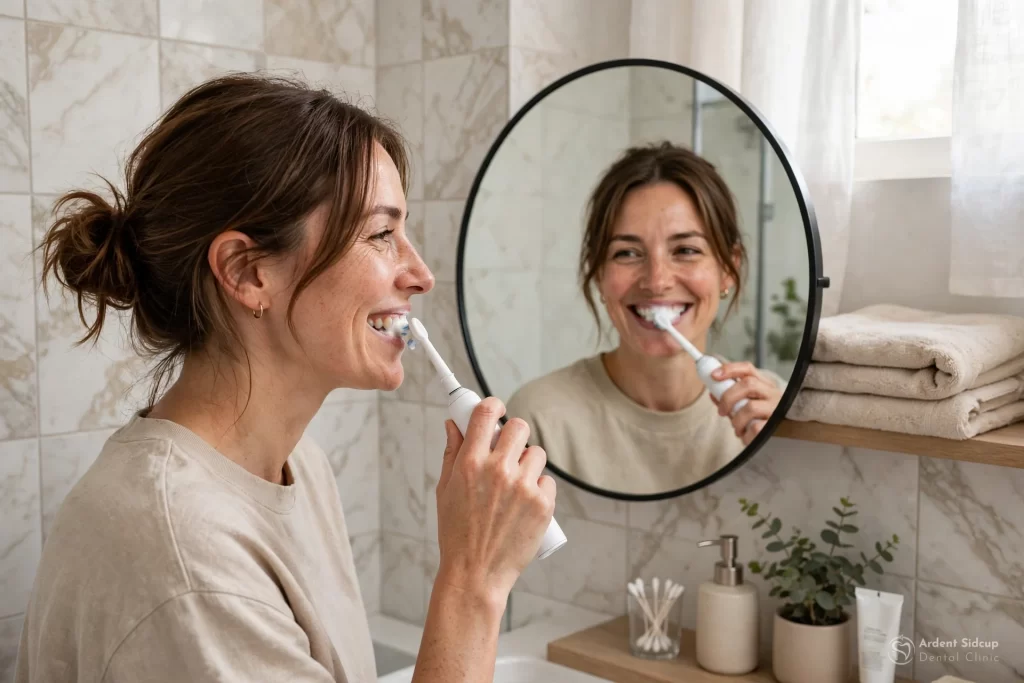
Keeping implants healthy isn’t complicated. There’s no elaborate routine — consistent brushing, careful cleaning between your teeth and professional reviews make the biggest difference. Good dental implant maintenance protects the surrounding tissues, and it helps dentists spot small problems before they turn serious.
Implant crowns can’t develop cavities, true. But bacteria can still damage the gums nearby. So learning how to make dental implants last longer really means treating daily cleaning as non-negotiable. Professional dental hygiene appointments help too — they clear stubborn deposits and sharpen up your cleaning technique.
Follow these practical habits:
- Brush twice daily: Use a soft-bristled toothbrush and clean gently around the gumline.
- Clean between your teeth: Use implant-safe floss or interdental brushes recommended by your dentist.
- Attend regular check-ups: Follow your dentist’s personalised examination and hygiene schedule.
- Avoid smoking: Protect your gums and reduce the risk of implant complications.
- Manage teeth grinding: Wear a night guard if your dentist recommends one.
- Report unusual symptoms: Don’t ignore persistent bleeding, swelling or a loose restoration.
Those first weeks after surgery matter most. Follow your dentist’s specific instructions rather than your usual cleaning routine — our dental implant aftercare guide walks you through looking after your implant while it heals.
If you’d like the clinical view as well, the British Society of Periodontology’s dental implant FAQs are written for patients and well worth a read.
BSP
Do Dental Implants Ever Need to Be Replaced?
Implants can last for decades. Sometimes, though, replacement becomes necessary. Advanced bone loss, infection or mechanical damage can all affect their stability. How often do dental implants need replacing? That depends on the individual patient. And a damaged crown doesn’t automatically mean the entire implant has failed.
Sometimes dentists can repair or replace individual components without further surgery. Other cases need treatment for infection or damaged supporting bone. Knowing the signs of dental implant failure helps you get professional advice while a problem is still manageable — before it becomes more complicated.
Signs Your Dental Implant May Have a Problem
Watch for persistent pain. Swollen gums, bleeding or an unpleasant taste around your implant count too. Movement during chewing also needs attention. Symptoms like these may point to dental implant failure or a loose restoration. Contact your dentist promptly — don’t just wait for the discomfort to disappear on its own.
Can You Replace the Crown Without Replacing the Implant?
Yes. A dentist can often replace a worn or damaged dental implant crown without touching the post. Take a chipped crown — it may need replacing while the implant underneath stays perfectly stable. That makes dental implant crown replacement much simpler than going through another complete implant procedure.
Are Dental Implants More Durable Than Bridges or Dentures?
Choosing between implants, bridges and dentures isn’t just about appearance. Dental implants stand on their own inside the jawbone. Traditional bridges, by contrast, rely on neighbouring teeth. When you’re comparing dental implants vs dentures lifespan, remember each option carries different maintenance and replacement requirements.
Removable dentures may need adjustments as your gums and jawbone change over time. Bridges can need repairs too. If you’re weighing up the alternatives, our dental bridges treatment page explains how this other option for replacing missing teeth works.
| Tooth replacement | Long-term considerations |
|---|---|
| Dental implants | Posts can last decades with suitable care |
| Dental bridges | May need repairs or replacement as supporting teeth change |
| Removable dentures | May need relining, adjustments or replacement as the mouth changes |
In the UK, dental implants are generally provided privately. Limited NHS treatment does exist, but only for certain clinical needs. It helps to know where you stand on cost early on, so take a look at our private dental fees before discussing an individual treatment plan.
Frequently Asked Questions About Dental Implant Lifespan
After treatment, the questions keep coming. Most of them are about durability. And the answers genuinely depend on individual health, cleaning habits and restoration materials. Getting your head around those differences helps you make informed decisions about dental implant longevity and future maintenance.
General lifespan estimates can’t predict exactly how long your implant will survive, though. Regular assessments let dentists monitor the implant, crown and supporting bone. Spot a change early, and treatment may prevent further complications.
Can Dental Implants Last 30 Years?
Yes — some implants stay functional for 30 years or longer. But how long do titanium dental implants last comes down to bone health, oral hygiene and other individual factors. Long-term survival is absolutely possible. A guarantee that every implant reaches 30 years? No dentist can give you that.
How Long Do Dental Implant Crowns Last?
Many crowns last around 10–15 years. Some remain functional much longer. If you’re wondering how long do dental implant crowns last, look at their material, daily wear and biting pressure. Regular examinations help catch damage before a crown needs replacing.
Do Dental Implants Last Longer Than Natural Teeth?
Not necessarily. A healthy natural tooth can last a lifetime with proper care. Implants are an effective replacement for missing teeth, yes — but they can’t fully reproduce every feature of natural teeth. That’s why dentists generally recommend preserving healthy teeth whenever suitable treatment remains possible.
Can a Failed Dental Implant Be Replaced?
Yes, it can. Replacement may be possible once your dentist identifies why the original implant failed. Some patients need infection treatment or bone grafting before another implant goes in. In the end, the available bone, gum condition and general health determine whether replacement is appropriate.
Conclusion
So, how long do dental implants last? Looked after properly, they can stay functional for decades — sometimes a lifetime. Crowns are the exception; they may need replacing sooner. Healthy gums, good cleaning habits and regular dental reviews all help protect your investment.
Thinking about implants, or want advice on an existing restoration? Ardent Sidcup Dental Clinic can assess your individual needs. Consistent care today gives your replacement teeth a better chance of lasting well into the future.
And for NHS-backed advice on looking after your implants day to day, Guy’s and St Thomas’ guidance on dental implant care is well worth a read.