If your dentist has mentioned alveoloplasty, you’re probably dealing with an uneven jawbone ridge after an extraction. That can show up as dentures that rub in the same spots, or a ridge shape that makes implant planning less predictable. Alveoloplasty is a minor surgical procedure that smooths and reshapes the alveolar ridge so the gum can heal over a cleaner, more even surface. The aim is simple: fewer sharp edges, better comfort, and a foundation that helps your next step, whether that is a denture adjustment or implant treatment.
Because every mouth heals differently, the first visit matters. A thorough assessment at a dental clinic in Sidcup will look at your bite, gum health, and X-rays, then walk you through local anesthesia options, expected swelling, and a realistic recovery timeline. With the right plan, pain control is manageable, and your results are more fit-focused.
What Is Alveoloplasty?
Alveoloplasty is a small surgical step used to smooth the alveolar ridge, the part of your jawbone that supports your teeth. After a tooth is removed, the bone does not always heal in a neat shape. Some people feel sharp areas under the gum, or notice that a denture rocks, pinches, or creates the same sore spots again and again. In those cases, alveoloplasty gently reshapes uneven bone so the gum can heal over a flatter, more comfortable surface and future dental work can fit more reliably.
It is different from a bone graft. A graft builds up bone, while alveoloplasty focuses on smoothing existing bone.
When Is Alveoloplasty Needed Before Dentures or Implants?
Alveoloplasty is considered before dentures when the alveolar ridge has healed with sharp or uneven areas that make a denture rub, rock, or trigger the same sore spots over and over. By smoothing that ridge, your dentist can often improve denture comfort and reduce pressure points that interfere with day-to-day chewing.
It may also be recommended before implants when the ridge shape could affect implant placement or make a temporary fit less predictable. An exam and X-rays help confirm whether simple contouring is enough or if another approach is needed for long-term stability.
What Happens During an Alveoloplasty Procedure?
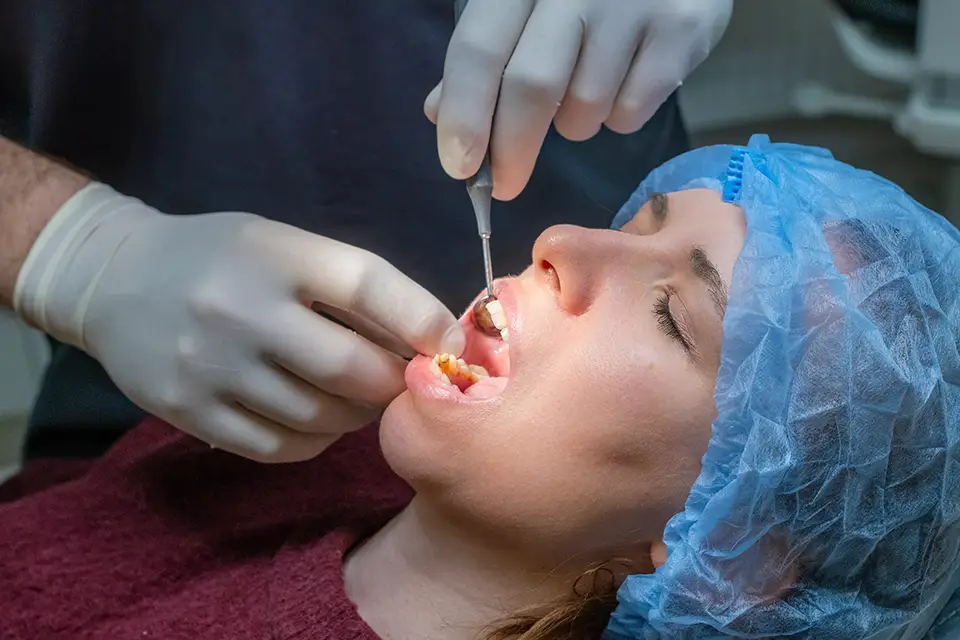
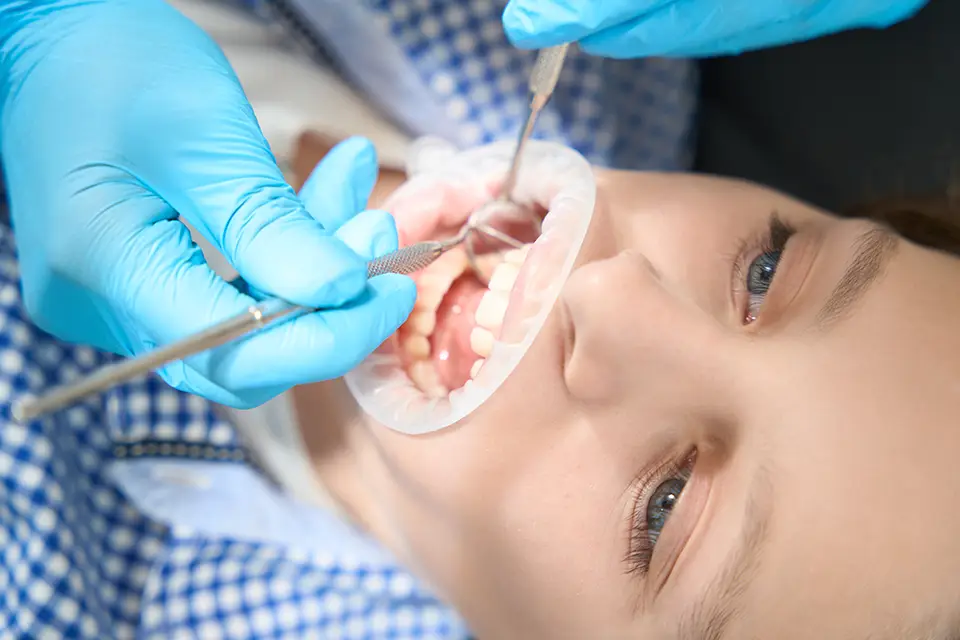
An alveoloplasty visit is focused on comfort and fit. Your dentist smooths uneven areas of the alveolar ridge so dentures sit more evenly, or so future restorative work has a cleaner starting point. Most people do well with local anesthesia, and sedation may be an option if you feel very anxious.
- The area is numbed, then the dentist checks the ridge shape and identifies rough edges.
- Small areas of bone are carefully smoothed to create a gentler ridge contour.
- The gum tissue is repositioned, and stitches may be placed to support clean healing.
- You leave with clear instructions on pain relief, swelling control, food choices, and a follow-up plan.
How is Bone Removed During Alveoloplasty?
During alveoloplasty, your dentist removes only small amounts of uneven bone from the alveolar ridge using precise surgical instruments, then smooths the surface to reduce sharp edges and improve fit. The contour is checked throughout, so a healthy structure is preserved, especially when planning implants in Sidcup and long-term stability matters.
How Painful Is Alveoloplasty?
Most people feel little to no pain during alveoloplasty because the area is thoroughly numbed with local anesthesia. What you may notice is pressure or vibration, not sharp pain. Once the numbness wears off, expect a few days of soreness and swelling, especially when eating or talking a lot. Using dentist-recommended pain relief, sticking to softer foods, and keeping the area clean usually keep discomfort manageable and support steady healing.
Contact the clinic if you develop heavy bleeding, fever, or pain that worsens after 48 to 72 hours.
Alveoloplasty Recovery: Healing Time, Aftercare, and What to Eat
After alveoloplasty, swelling usually builds for the first 2 to 3 days, then gradually settles. Many people feel much more comfortable within a week, but the bone keeps refining beneath the gum for longer. In the early phase, stick with soft foods like scrambled eggs, mashed potatoes, yogurt, and lukewarm soups. Skip crunchy snacks, spicy dishes, and very hot drinks that can irritate tender tissue.
Healing is smoother with good oral hygiene. Brush normally, but be gentle around the treated area, and rinse only as your dentist advises. Avoid smoking, because it can slow healing and raise the risk of complications. If you wear dentures, plan on denture adjustments as swelling goes down and fit changes.
Is Alveoloplasty the Same as a Bone Graft?
No. Alveoloplasty is about smoothing what you already have. If the alveolar ridge healed with sharp edges or uneven contours, your dentist can reshape it so dentures sit more comfortably, and the gum has a cleaner surface to heal over. A bone graft is used for a different problem: not enough bone. Grafting adds volume when the ridge is too thin or too low, which is often important for implant stability.
Sometimes both are recommended so you end up with stable support and a better fit, based on your exam and X-rays.
Cost Considerations
Costs for alveoloplasty vary because treatment is tailored to your ridge shape, comfort needs, and whether it is done with extractions or before dentures or implants. Many private fees are in the hundreds of pounds, but an exam is the only way to confirm your exact cost.
- Number of areas treated and procedure complexity
- Need for sedation and follow-up visits
- Whether dentures need adjustment or implants are planned
Conclusion: Book a Personalized Alveoloplasty Assessment
If your dentures keep rubbing in the same spots or your ridge shape is getting in the way of implant planning, alveoloplasty may be the simple fix that helps everything fit and feel better. The next step is an exam and X-rays, so your dentist can confirm what needs smoothing and what does not. To get clear guidance and a tailored plan, contact Ardent Sidcup Dental Clinic, 150 Halfway St, Sidcup DA15 8DG, United Kingdom, and ask about next steps and healing expectations.
FAQs
How long does alveoloplasty take?
Most visits are brief, but timing depends on how many areas need smoothing and whether it is done with extractions. Your dentist will explain the procedure time and what to expect the same day.
Can I drive myself home afterward?
If you only have local anesthesia, many patients can drive, but sedation changes that. Ask in advance so you can plan safe transport.
Will it delay implants or dentures?
Not necessarily. Alveoloplasty can support a better fit, but healing time varies. Your clinician will confirm a treatment timeline based on X-rays and gum healing.