

Spitting pink foam into the sink can ruin your morning. You probably asked yourself why are my gums bleeding this morning. Most people first notice bleeding gums when brushing their teeth. This guide breaks down the bleeding gums causes in English and shows you what to do next.
Healthy gums should never bleed during normal brushing or gentle flossing. Bleeding works like an early warning light on your dashboard. Sometimes bleeding gums while flossing settle within one week of better cleaning. Other times swollen and bleeding gums point to a deeper health problem.
What Do Bleeding Gums Actually Mean?
Bleeding is the number one warning sign of early gum disease. Dentists call this first stage gingivitis and see it daily. Your gums react to bacteria and turn into swollen and bleeding gums quickly. Spotting gingivitis symptoms early keeps treatment simple and painless.
Our dentists put it simply during check-ups: “Healthy gums do not bleed without a reason.” However, bleeding does not always start inside your mouth. Shifting hormones explain many cases of bleeding gums during pregnancy and puberty. That is why what causes bleeding gums sometimes needs a medical answer.
Quick Self-Check: When Do Your Gums Bleed?
Notice exactly when and where the bleeding shows up daily. Does it follow bleeding gums when brushing or appear while you eat something crunchy? Bleeding around one tooth often means trapped food or a stuck seed husk. Bleeding everywhere usually signals widespread gum disease causes like plaque.
Timing gives you another powerful clue about the real cause. Bleeding that follows bleeding gums while flossing usually means neglected gaps between teeth. Bleeding after hard foods like apples suggests swollen and bleeding gums already. Write your pattern down and share it during your appointment.

Causes That Start in Your Mouth
Most bleeding gums causes begin with one simple problem called plaque. This sticky bacterial film coats your teeth throughout the day. The constant plaque buildup on teeth irritates your gumline and triggers inflammation. Gentle daily cleaning keeps bleeding gums when brushing away for good.
Your habits decide whether that dental plaque wins or loses daily. Gentle and regular cleaning keeps your gumline calm and healthy. Rough scrubbing and rushed flossing damage the soft tissue instead. Even early gingivitis can reverse once you clean properly again.
Plaque Buildup and Gingivitis
Dental plaque loves hiding along the gumline where your toothbrush barely reaches. Bacteria release toxins and your gums defend themselves with inflammation. That defence creates the red and puffy gingivitis symptoms most people ignore. Untreated plaque buildup on teeth pushes this early stage further.
Periodontitis
Periodontitis begins when inflammation slips below your gumline. Deep pockets form around your teeth and leave you with swollen and bleeding gums. Your body then attacks the bone and ligaments holding teeth steady. Advanced disease can even lead to receding gums over time.
Brushing Too Hard or a New Flossing Routine
Sometimes your own technique causes the bleeding you fear. Scrubbing with a hard brush tears delicate gum tissue easily. This explains sudden bleeding gums when brushing despite otherwise healthy teeth. New flossers also notice bleeding gums while flossing during their first week.
Smoking and Tobacco
Smoking quietly ranks among the worst gum disease causes today. Nicotine tightens blood vessels and reduces healthy flow to your gums. Ironically this effect can hide swollen and bleeding gums for months. The disease keeps progressing underneath while you notice almost nothing.
Trench Mouth
Trench mouth is a severe and painful gum infection. It creates ulcers and swollen and bleeding gums almost overnight. Stress and poor hygiene and smoking often trigger it together. Dentists treat these extreme gingivitis symptoms with professional cleaning and antibiotics.
Causes That Start Elsewhere in Your Body
Your mouth often mirrors what happens inside the rest of you. Hormones surge during puberty and pregnancy and menopause without warning. Those surges explain many cases of bleeding gums during pregnancy each year. Medicines and diabetes also worsen gum disease causes over time.
Your dentist therefore asks about medicines and medical history every visit. Blood thinners help your heart yet they prolong any bleeding episode. Long-term conditions also slow healing and weaken your defence against gum disease causes. Understanding what causes bleeding gums means looking beyond your toothbrush sometimes.
Vitamin C and Vitamin K Deficiency
Your gums need vitamins to stay strong and prevent swollen and bleeding gums. Your body needs vitamin C to build collagen for strong gums. Severe vitamin C deficiency causes scurvy and dramatic gum bleeding problems. Vitamin K deficiency slows clotting and makes small injuries bleed longer.
Hormone Changes
Hormone changes can turn healthy gums sensitive very quickly. Rising hormones increase blood flow towards your gum tissue. Even small plaque deposits then trigger gingivitis symptoms fast. Many women notice bleeding gums during pregnancy during their second trimester. Our NHS dentistry care is free throughout pregnancy in the UK.
Diabetes
Diabetes and gum disease feed each other in a frustrating cycle. High blood sugar helps bacteria flourish and worsens gum disease causes. Meanwhile gum infection makes blood sugar harder to control daily. Asking why are my gums bleeding matters even more with diabetes.
Blood-Thinning Medication and Blood Disorders
Anticoagulants save lives yet they make small cuts bleed longer. Conditions like thrombocytopenia and hemophilia and von Willebrand disease reduce clotting power. Pernicious anemia and leukemia can announce themselves through swollen and bleeding gums. Only proper medical testing reveals what causes bleeding gums in these cases.
Other Conditions Worth Knowing
Stress weakens your immunity and often brings swollen and bleeding gums. Oral herpes and HIV/AIDS can also damage gum tissue directly. Even teeth grinding adds pressure that already inflamed gums cannot handle. Your dentist spots these wider gum disease causes during a thorough examination.
At a Glance: Cause, Clue and First Step
This quick table matches swollen and bleeding gums with likelier explanations. For example, bleeding during brushing usually points towards gingivitis first. It cannot replace a professional diagnosis and proper examination. It simply shows whether plaque buildup on teeth or something deeper deserves attention.
| Possible cause | Clue that points to it | First step to take |
|---|---|---|
| Gingivitis | Red puffy gums bleeding during brushing | Improve cleaning and book a hygiene visit |
| Hard brushing | Sore gums straight after cleaning | Use a soft brush and gentle strokes |
| Vitamin deficiency | Bleeding plus tiredness and poor diet | Review diet and request blood tests |
| Hormone changes | Bleeding starting in pregnancy or puberty | Clean gently and tell your dentist |
| Medication or blood disorder | Bleeding lasting long after small cuts | Ask your doctor about tests |
| Diabetes | Bleeding plus slow healing and infections | Book a review and check sugar levels |
What Happens If You Ignore Bleeding Gums?
Consider a typical patient story that dentists see very often. She ignores gingivitis symptoms for months because nothing hurts yet. The infection cycle keeps repeating and each round destroys more tissue. Eventually swollen and bleeding gums give way to loose and painful teeth.
The damage behind what causes bleeding gums spreads beyond your mouth. Untreated gum infection links with heart problems and poorly controlled diabetes. Bad breath and a constant bad taste often arrive earlier. Meanwhile any hidden condition behind gum disease causes keeps worsening silently.
How to Stop Bleeding Gums at Home
Good news first because most early cases respond beautifully at home. Your goal is removing plaque gently and ending bleeding gums while flossing. Consistency beats intensity every single time with gum care. These habits calm bleeding gums when brushing within days for many people.
- Brush two to three times daily with gentle strokes
- Floss daily and curve it around each tooth
- Use a soft-bristled brush and replace it regularly
- Rinse with warm saltwater after meals for comfort
- Use an antibacterial mouthwash to calm irritated gums
- Avoid smoking because tobacco slows healing badly
Give these habits two full weeks before you judge the results. Healthy tissue firms up and gingivitis symptoms fade steadily. The NHS gum disease guide recommends this same gentle routine for everyone. Persistent swollen and bleeding gums after two weeks need professional attention instead.
When to See a Dentist
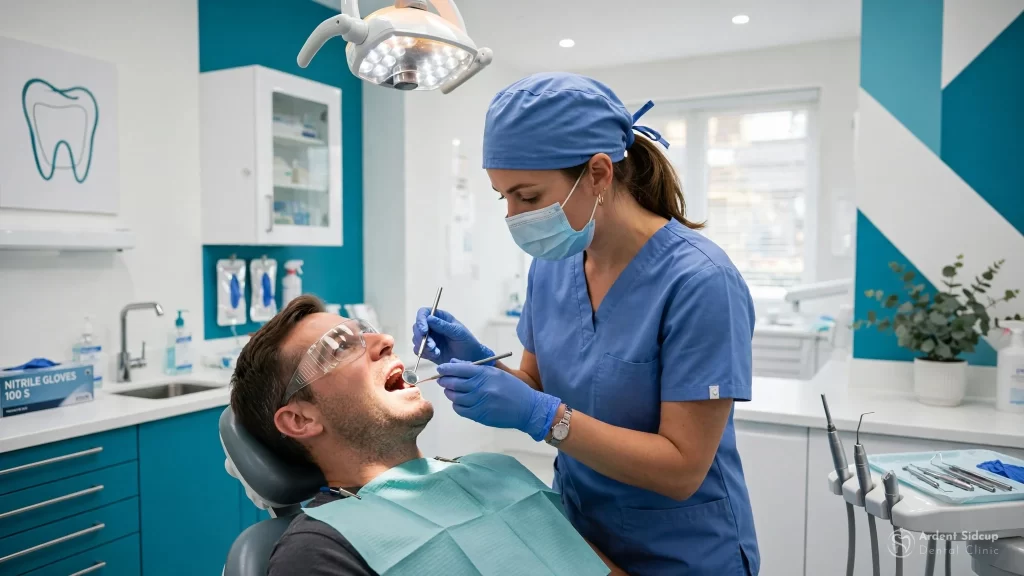
Two weeks is the deadline dentists set for bleeding gums while flossing and brushing. Book an appointment whenever swollen and bleeding gums refuse to settle. Random bleeding without a clear trigger deserves faster attention too. Our dental emergency team can check urgent cases quickly.
Certain warning signs should never wait for that deadline. Bleeding plus swollen and bleeding gums and bad breath suggests infection. Loose teeth and gum pain suggest the problem has advanced. The British Society of Periodontology urges patients to act early with gingivitis symptoms.
Can You Prevent Bleeding Gums?
You can prevent most plaque buildup on teeth with simple daily habits. Daily cleaning removes bacteria before inflammation even begins. Regular check-ups catch gingivitis symptoms while they still cost little. Hormone shifts and blood disorders sit outside your control though.
Honest answer time because some causes sit outside your control. You cannot prevent hormone changes or blood disorders or leukemia. You can only manage their effects well with professional guidance. Mention bleeding gums during pregnancy and every new medicine at visits.
Frequently Asked Questions
What Vitamin Deficiency Causes Bleeding Gums?
Vitamin C deficiency leads the list and severe cases cause scurvy. Vitamin K deficiency also matters because your blood needs it for clotting. A simple blood test confirms bleeding gums vitamin deficiency quickly. Your dentist may suggest testing whenever swollen and bleeding gums lack an obvious cause.
Is It Normal for Gums to Bleed When I Start Flossing?
Yes because your gums react to cleaning between neglected teeth. This early bleeding gums while flossing usually settles within one week. Keep flossing gently every day instead of stopping completely. Ongoing bleeding gums when brushing after two weeks needs professional checking instead.
When Should I Worry About Bleeding Gums?
Worry whenever bleeding lasts beyond two weeks of careful cleaning. Random bleeding without brushing also deserves prompt professional attention. Bleeding plus swollen and bleeding gums and bad breath signals infection. Keep asking why are my gums bleeding until a professional answers clearly.
Can Bleeding Gums Be a Sign of Something Serious?
Sometimes yes because your gums can reveal wider health problems early. Diabetes and blood disorders and even leukemia occasionally appear first here. Dentists often spot what causes bleeding gums beyond simple plaque problems. A thorough check protects your smile and flags hidden gum disease causes.
How Long Can You Go With Bleeding Gums?
Treat two weeks of good home care as your personal limit. Bleeding beyond that point rarely fixes itself without professional help. Waiting longer lets plaque buildup on teeth harden into stubborn tartar. Early gingivitis symptoms reverse far more easily than advanced disease.
Can Bleeding Gums Heal on Their Own?
Early gingivitis can heal completely once you remove the plaque causing it. Your gums usually calm down within days of gentle cleaning. Bleeding from vitamin problems or medicines needs the underlying cause treated. Persistent swollen and bleeding gums always deserve a professional diagnosis first.
Conclusion
Bleeding gums are common and rarely a reason to panic. Understanding bleeding gums causes puts you back in control of your health. Most cases improve once you tackle plaque buildup on teeth properly. Start today and bleeding gums when brushing becomes a memory.
Ready to end bleeding gums while flossing surprises for good today? Book a gum health assessment with Ardent Sidcup Dental Clinic. Our friendly team will find what causes bleeding gums in your case. You can also check our private dental fees before booking anything.