Loose dentures can make meals awkward and leave you worrying about your teeth slipping when you talk. Implant-supported overdentures use dental implants to hold a removable denture more firmly in place. They may help you chew and speak with greater comfort. At Ardent Sidcup, we’ll check your gums and jawbone before discussing whether they’re right for you.
Think of an overdenture as a removable set of replacement teeth with added support. Small attachments connect the denture to implants placed in your jawbone, giving it better retention than conventional dentures. You still take it out for cleaning. The NHS dental implant guide also explains how removable overdentures differ from fixed implant bridges.
Implant attachments help keep your denture in place, reducing movement when you eat or talk.
A steadier fit can mean less rubbing and less dependence on denture adhesive.
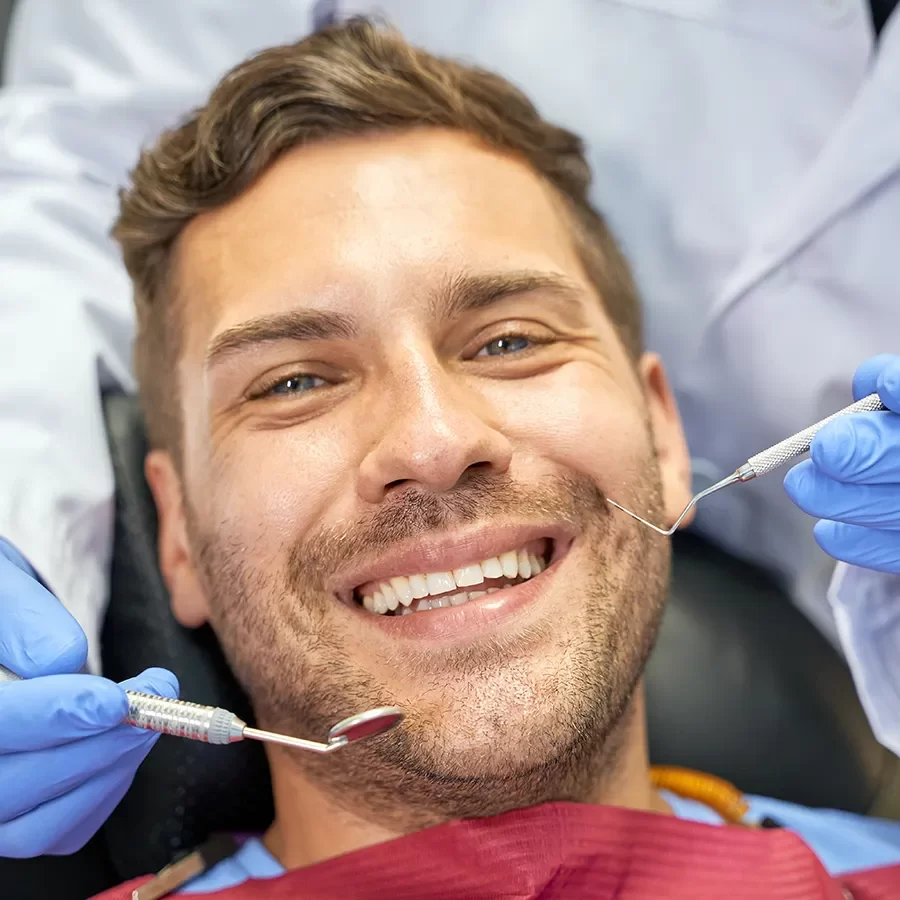
With less movement, everyday meals and conversations may feel easier and more comfortable.
Your overdenture is made to suit your mouth, bite and natural smile.
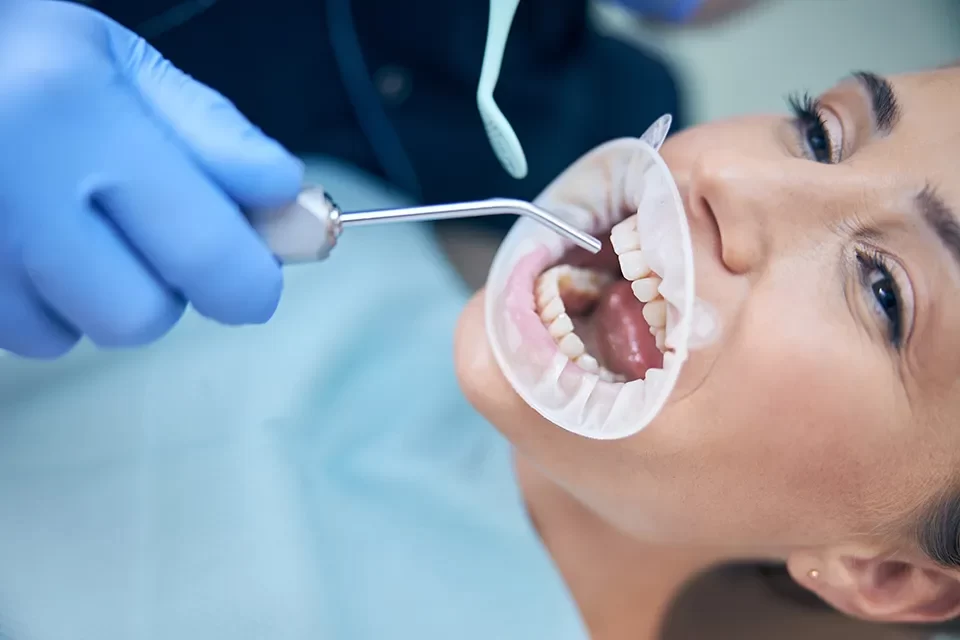
We’ll examine your gums and jawbone, discuss your medical history and arrange X-rays or scans if they’re needed for treatment planning.
Implants are placed in the jaw under local anaesthetic. The number depends on which jaw we’re treating and the denture design.
The implants need time to bond with the jawbone, a process called osseointegration. Healing often takes several months, and we’ll check your progress.
When the implants are ready, we fit the denture to its attachments, check your bite and show you how to remove it.
If you've lost most or all teeth in one jaw, an implant-retained overdenture could be worth considering.
Implants need enough suitable jawbone. If there's significant bone loss, your dentist may discuss bone grafting or other options.
If your current dentures slip, click or need frequent adhesive, implants may give them better retention.
Your gums, medical history and healing risks all matter. Conditions such as uncontrolled diabetes or active gum disease need careful assessment.
We'll explain your tooth replacement options clearly, including what the implant procedure involves and where the risks lie.
We can discuss conventional dentures and implant-supported bridges, so you can weigh up the treatment choices available to you.
Worried about surgery or day-to-day cleaning? Ask us. We'll talk through the practical details before you decide.
When clinically indicated, dental imaging helps us assess your jawbone and plan suitable implant positions.
Here are answers to common questions about implant overdentures, their suitability and everyday care.
Two implants are commonly used to retain a lower overdenture, while an upper overdenture generally needs four to six. The exact number depends on your jawbone, bite and denture design. Your dentist will explain what’s suitable for you after examining your mouth.
Yes. Implant-supported overdentures, sometimes called snap-in dentures, are designed to be removable. They connect to special attachments on the implants, helping them stay more secure during everyday activities. You take them out for cleaning, unlike a fixed implant bridge.
Dental implants may last many years with good care, but no dentist can guarantee they’ll last a lifetime. The overdenture and its attachments can wear over time and may need repairs or replacement. Regular check-ups help identify problems before they become more serious.
The implants are usually placed under local anaesthetic, so the area should be numb during surgery. You might feel some pressure. Mild swelling or discomfort afterwards is common, and your dentist will explain how to manage it during recovery.
Traditional dentures mainly rely on the gums for support and retention. Implant-retained dentures connect to implants in the jaw, giving them added stability. This can make chewing and speaking more comfortable, especially if your existing dentures frequently move or need adhesive.
Treatment often takes several months because the implants need time to integrate with the jawbone. Some patients also need preparatory treatment, which can extend the timeline. Your dentist will explain the expected stages after assessing your mouth and planning the procedure.
Possibly. Having some jawbone loss doesn’t automatically rule out implants. Your dentist will assess the amount and position of the remaining bone. In certain cases, bone grafting may be needed before implant placement. Other tooth replacement options may also be considered.
Remove your overdenture and clean it daily using products recommended by your dental team. You’ll also need to clean around the implants, abutments and gums. Good oral hygiene and regular implant maintenance help reduce the risk of gum inflammation and other complications.
Removable overdentures should generally be taken out overnight unless your dentist advises otherwise. This gives your gums a rest and makes proper cleaning easier. Your dental team will explain how to store your denture safely and care for its attachments.
The cost depends on the number of implants, the denture design and whether you need additional treatment. At Ardent Sidcup, we can discuss your options and provide a personalised quotation after examining your mouth. Ask what’s included in your treatment plan before proceeding.
At Ardent Sidcup Dental Clinic, we’re here to make your dental journey as smooth as possible. From maintaining oral health to creating stunning smiles, we are dedicated to being your trusted dental partner.
Contact us with your questions or to request a ring back. We’d love to hear from you.