A dental bridge is a fixed tooth replacement that fills the space left by one or more missing teeth. It holds an artificial tooth, called a pontic, using neighbouring teeth or dental implants for support. Unlike removable dentures, a bridge stays in your mouth. The design depends on the gap and your oral health.
Your bridge is made to match nearby teeth in shape and colour. The NHS bridge guide also explains how conventional and adhesive bridges work.
A dental bridge fills the gap left by missing teeth, making everyday chewing and speaking easier for many patients.
Replacing a missing tooth may help reduce the risk of neighbouring teeth gradually shifting into the empty space.

A well-made bridge is shaped and colour-matched to blend naturally with your surrounding teeth.
If a visible gap makes you hesitant to smile, a dental bridge may help you feel more comfortable.
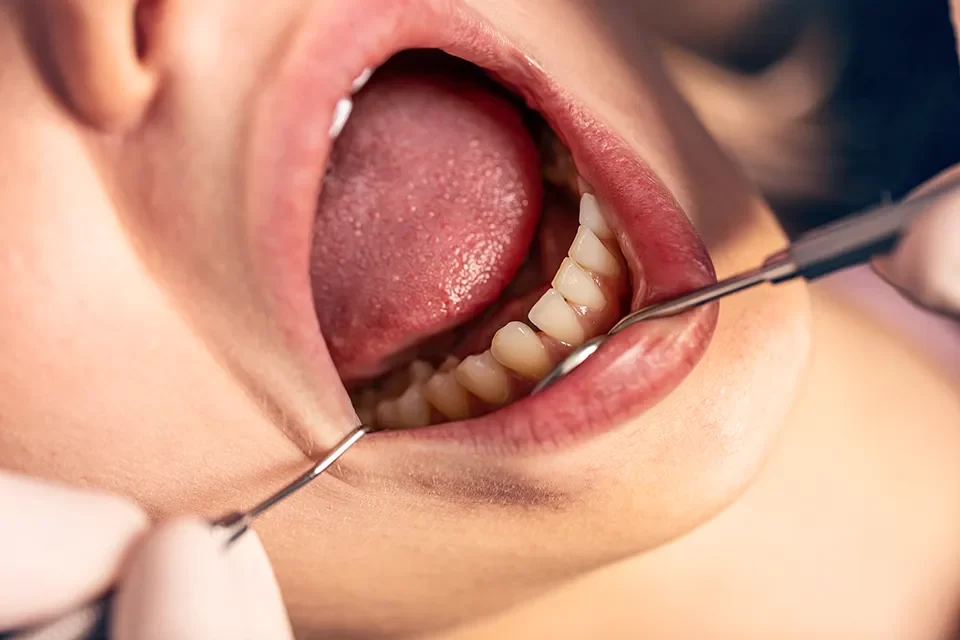
We’ll examine the gap, check your teeth and gums, and discuss suitable bridge options. X-rays or dental impressions may be needed.
For a traditional bridge, supporting or abutment teeth are prepared for dental crowns. Resin-bonded bridges often need little or no drilling.
Impressions or digital scans help create your custom bridge. A temporary bridge may protect prepared teeth while the final one is made.
We’ll check the bridge’s fit, appearance and bite before securing it. You’ll also learn how to clean underneath the replacement tooth.
A traditional bridge uses dental crowns fitted over suitable neighbouring teeth to support one or more artificial teeth.
A cantilever bridge is supported by a tooth on one side of the gap. It's suitable only in selected cases.
Also called resin-bonded bridges, these attach using a wing bonded behind a neighbouring tooth, usually with minimal tooth preparation.
An implant-supported bridge attaches to dental implants instead of relying on natural teeth for support.
If you're missing one or more teeth, a dental bridge could help restore your bite and the appearance of your smile.
Suitable supporting teeth are important for tooth-supported bridges. The number and position needed depend on the bridge design.
If you'd prefer replacement teeth that stay in place, a fixed dental bridge may be worth considering.
Healthy gums and daily cleaning matter. Your dentist will check for decay or gum disease before recommending treatment.
We'll examine your teeth carefully, explain the available options and help you understand what each treatment involves.
From dental crowns to implants and dentures, we can discuss different ways to replace missing teeth.
Worried about treatment or preparing healthy teeth? Ask us. We'll talk through your concerns before you decide.
Where needed, dental imaging and impressions help us assess your mouth and plan a bridge suited to your bite.
Dental bridges can last many years, but their lifespan depends on the bridge type, supporting teeth, bite and oral hygiene. Some need repair or replacement sooner than others.
Keeping your gums healthy, cleaning beneath the bridge and attending regular dental check-ups can help it last longer.
Brush twice daily with fluoride toothpaste and clean around the supporting teeth. You’ll also need to clean beneath the artificial tooth, where food and plaque can collect.
A floss threader, specialist floss or suitable interdental brush may help. Your dentist or hygienist can show you the best dental bridge cleaning technique.
A dental bridge can be made to match the colour, size and shape of your surrounding teeth. This helps the replacement tooth blend with your smile.
The final appearance depends on the materials, the position of the gap and your existing teeth. Your dentist will discuss what’s achievable before treatment.
A fixed dental bridge isn’t designed for you to remove at home. It stays attached to supporting teeth or implants during normal daily activities.
If your bridge becomes loose, uncomfortable or damaged, contact your dentist. They can check whether it needs to be repaired, reattached or replaced.
The cost depends on the number of missing teeth, bridge design, materials and any additional dental treatment required.
A traditional bridge and an implant-supported bridge can have different costs. At Ardent Sidcup, we’ll discuss suitable options and provide a treatment estimate after examining your mouth.
Dental bridge treatment shouldn’t normally be painful when the area is properly numbed with local anaesthetic. You may feel some pressure while your dentist prepares the supporting teeth.
Mild sensitivity afterwards is possible. If pain persists or your bite feels uncomfortable, contact your dentist for advice.
Not always. A traditional bridge usually requires supporting teeth to be reshaped so crowns can fit over them.
A Maryland or resin-bonded bridge often needs little or no tooth preparation. Your dentist will explain the advantages and limitations of each option before recommending treatment.
A traditional bridge typically uses crowns on prepared neighbouring teeth to support the replacement tooth.
A Maryland bridge uses a bonded wing, usually attached behind a neighbouring tooth. It often preserves more natural tooth structure, although it may not suit every gap or bite.
Neither option is automatically better. A bridge uses suitable teeth or implants for support, while a single dental implant replaces a missing tooth without relying on neighbouring teeth.
Your dentist will consider your jawbone, surrounding teeth, gum health, treatment costs and preferences before discussing the most suitable option.
Dental bridges may be available through NHS dentistry when they’re clinically necessary and considered appropriate for your oral health.
Your dentist will assess your teeth and explain whether NHS treatment is suitable or whether private options are available. NHS appointment availability should be confirmed directly with the practice.
Missing a tooth and unsure whether a dental bridge is right for you? At Ardent Sidcup Dental Clinic, we’ll examine your mouth, explain your tooth replacement options and help you understand what treatment may involve.
Contact our Sidcup dental team if you have questions, want to request a call back or would like to arrange an appointment.