A damaged tooth can affect your confidence, comfort, and everyday activities like eating. However, losing a tooth is not always the only solution. Modern dentistry offers reliable treatments that can restore damaged teeth and protect them from further problems.
Understanding the different types of dental crowns helps you choose the right option for your smile. Dental crowns are available in several materials, and each one offers different benefits in terms of strength, appearance, durability, and cost.
In the UK, dentists commonly use zirconia dental crowns, ceramic dental crowns, porcelain crowns, and porcelain fused to metal crowns depending on the patient’s needs. The best crown choice depends on factors such as tooth location, bite pressure, cosmetic goals, and long-term expectations.
What Is a Dental Crown and When Do You Need One?
A dental crown is a custom-made cover placed over a damaged or weakened tooth. It restores the tooth’s shape, improves its strength, and helps it function normally. You can think of a crown as a protective shield that supports your natural tooth underneath.
According to the NHS, dental crowns cover damaged teeth and are commonly made from metal, ceramic, or porcelain fused to metal.
Dentists recommend crowns when a tooth needs more protection than a normal filling can provide. For example, a tooth with a large cavity or one treated with a root canal may become weaker and require additional support.
Common reasons for getting a dental crown include:
- Large cavities that weaken the tooth
- Cracked or broken teeth
- Protection after root canal treatment
- Worn teeth caused by grinding
- Covering dental implants
- Improving damaged or uneven teeth
The type of crown depends on your specific situation. A front tooth usually needs a crown that looks natural, while a back molar needs a stronger material that can handle chewing pressure.
If you have missing teeth, your dentist may also discuss other restoration options such as dental bridges for missing teeth to improve function and appearance.
Different Types of Dental Crowns Based on Materials
The material used for a dental crown affects its appearance, strength, lifespan, and price. There is no single crown that works perfectly for every patient because each tooth has different requirements.
According to the American Dental Association, crown materials differ in strength, durability, aesthetics, and clinical use, so dentists choose based on patient needs.
When choosing between the types of dental crowns, dentists consider several factors, including where the tooth is located, how much pressure it receives, and how natural you want it to look.
The most common crown materials used today include:
- Zirconia dental crowns
- Porcelain and ceramic crowns
- Porcelain fused to metal (PFM) crowns
- Metal dental crowns
Each option has advantages and limitations. Understanding these differences can help you discuss the right treatment with your dentist.
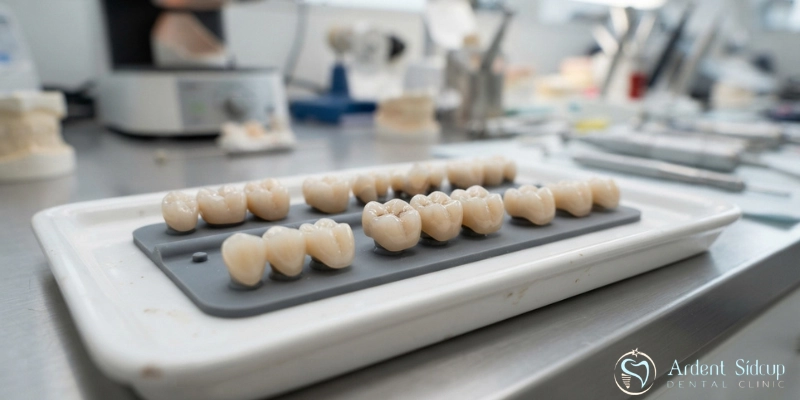
Zirconia Dental Crowns
Zirconia dental crowns have become increasingly popular because they offer excellent strength while maintaining a natural appearance. Zirconia is a strong ceramic material that can handle heavy chewing forces without easily cracking or wearing down.
These crowns are completely metal-free, making them suitable for patients who want both durability and a more natural smile. They are especially useful for back teeth where chewing pressure is higher.
Main benefits of zirconia crowns include:
- High durability
- Strong resistance to cracks
- Metal-free design
- Good colour matching
- Long-lasting performance
Zirconia is often recommended for patients who grind their teeth or need extra strength from their restoration. However, some premium ceramic options may provide slightly better transparency for highly visible front teeth.
Best suited for:
- Back teeth and molars
- Patients with strong biting pressure
- Long-term tooth restoration
Porcelain and Ceramic Dental Crowns
Porcelain and ceramic dental crowns are popular choices for patients who want a natural-looking smile. These materials closely copy the appearance of real teeth because they reflect light in a similar way to natural enamel.
They are commonly used for front teeth where appearance is a major concern. A well-made ceramic crown can blend smoothly with surrounding teeth, making the restoration difficult to notice.
For patients looking for cosmetic improvements, treatments like porcelain veneers can also help enhance the appearance of visible teeth.
Benefits include:
- Natural tooth-like appearance
- Excellent colour matching
- Metal-free option
- Suitable for cosmetic improvements
For example, someone with a chipped front tooth may prefer ceramic because it can restore the tooth while keeping the smile natural.
However, some ceramic crowns may not handle strong biting pressure as effectively as zirconia. Because of this, dentists carefully consider the tooth position before recommending this option.
Best suited for:
- Front teeth
- Cosmetic dentistry
- Patients prioritising appearance
Porcelain Fused to Metal (PFM) Crowns
Porcelain fused to metal crowns are a traditional option that combines the strength of metal with the appearance of porcelain. They have been used for many years because they offer a reliable balance between durability and aesthetics.
The inside layer contains metal, which provides stability, while the outer porcelain layer creates a tooth-coloured surface. This makes PFM crowns a practical choice for patients who need a strong restoration but still want a more natural appearance.
Main benefits of PFM crowns include:
- Strong internal structure
- Reliable long-term performance
- Suitable for front and back teeth
- More affordable than some premium materials
However, PFM crowns have some limitations. Over time, a dark line may become visible near the gum if gum recession occurs. They may also appear slightly less natural compared with modern all-ceramic options.
Best suited for:
- Patients needing a balance between cost and strength
- Teeth requiring dependable restoration
- Those looking for a traditional crown option
Metal Dental Crowns
Metal dental crowns are among the strongest options available. They are usually made from gold alloys or other metal combinations designed to handle heavy chewing pressure.
Although they are not the first choice for visible teeth because of their metallic appearance, they remain useful for specific situations. Dentists often recommend them for back molars where strength is more important than appearance.
Key advantages of metal crowns include:
- Extremely durable material
- Excellent resistance to wear
- Less removal of natural tooth structure
- Long lifespan
For example, a molar absorbs significant pressure every day while eating. A metal crown can withstand these forces effectively and may continue working well for many years with proper care.
Best suited for:
- Back molars
- Areas with strong chewing pressure
- Patients who prioritise durability
Dental Crown Types Comparison Table
Comparing the main dental crown types makes it easier to understand which option may suit your needs. Each material offers a different balance between strength, appearance, and cost.
| Crown Type | Strength | Appearance | Best For |
| Zirconia dental crowns | Very High | Natural-looking | Back teeth and strong bites |
| Ceramic dental crowns | Medium to High | Excellent | Front teeth and cosmetic cases |
| Porcelain crowns | Medium | Very Natural | Visible teeth |
| PFM crowns | High | Good | Balanced strength and cost |
| Metal crowns | Extremely High | Metallic | Back molars |
The right crown is not always the strongest or most expensive one. Dentists choose materials based on your tooth condition, bite pressure, smile goals, and long-term expectations.
How to Choose the Right Dental Crown?
Choosing between the different types of dental crowns requires more than simply comparing materials. Your dentist will look at several factors to decide which option provides the best results for your situation.
The location of the tooth is one of the most important considerations. Front teeth usually need excellent appearance, so many patients choose natural-looking crowns made from ceramic or porcelain. Back teeth require stronger materials because they handle greater chewing pressure.
Other factors that affect your choice include:
- Tooth strength: Weak teeth may need stronger materials like zirconia.
- Bite pressure: Patients who grind their teeth may need extra durability.
- Appearance goals: Visible teeth often require highly aesthetic materials.
- Budget: Different materials have different costs.
For severely damaged or missing teeth, your dentist may recommend solutions such as dental implants and dentures depending on your oral health needs.
In the UK, crown prices can vary depending on the material, dental clinic, laboratory fees, and treatment complexity. A more expensive crown is not automatically the best choice. The ideal option should match your dental needs.
Before choosing a crown, ask your dentist:
- Which material is best for my tooth?
- How long should the crown last?
- Will it match my natural teeth?
- What are the benefits and limitations?
A good decision considers both your current dental condition and your future oral health.
How Long Do Dental Crowns Last?
A well-made crown can protect your tooth for many years, but its lifespan depends on the material used and how well you care for it. Good oral hygiene and regular dental visits can significantly improve the durability of your restoration.
The lifespan of different crown materials can vary:
| Crown Type | Average Lifespan |
| Zirconia crowns | 10–15+ years |
| Ceramic crowns | Around 10–15 years |
| Porcelain crowns | Around 10–15 years |
| PFM crowns | Around 10–15 years |
| Metal crowns | 15+ years |
Several habits can influence how long your crown lasts:
- Brushing twice daily
- Flossing around the crown
- Avoiding very hard foods
- Managing teeth grinding
- Attending regular dental check-ups
Remember, the crown itself cannot decay, but the natural tooth underneath still needs protection. Keeping your gums and teeth healthy helps your crown perform better over time.
Tips to Maintain Your Dental Crown
A dental crown is designed to be durable, but it still needs proper care. Simple daily habits can help prevent problems and extend the life of your restoration.
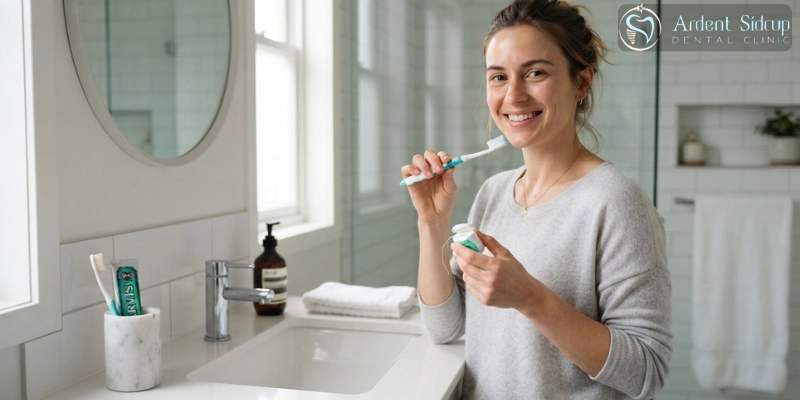
Follow these tips:
- Brush with fluoride toothpaste twice daily.
- Clean carefully around the gum line.
- Floss regularly to remove trapped food.
- Avoid biting hard objects like ice.
- Visit your dentist for routine check-ups.
If you grind your teeth at night, your dentist may recommend a mouth guard. This can reduce pressure on the crown and help prevent unnecessary wear.
Taking care of your crown is similar to caring for your natural teeth. A good routine protects both the restoration and the tooth underneath.
Frequently Asked Questions About Dental Crowns
Dental crowns can create many questions, especially when you are comparing materials, costs, and long-term benefits. Here are some common questions to help you understand your options better.
Q1: What is the strongest type of dental crown?
Zirconia dental crowns and metal crowns are among the strongest options. Zirconia is popular because it combines high strength with a more natural appearance.
Q2: Which dental crown looks the most natural?
Ceramic dental crowns and porcelain crowns usually provide the most natural appearance. They closely match the colour and shine of natural teeth, making them ideal for visible front teeth.
Q3: Are zirconia crowns better than porcelain crowns?
It depends on your needs. Zirconia crowns offer better strength and durability, while porcelain crowns provide excellent aesthetics. Dentists choose based on tooth location and your goals.
Q4: How much do different types of dental crowns cost?
Dental crown costs in the UK vary depending on the material, dentist, location, and treatment complexity. Premium options like zirconia and ceramic crowns usually cost more because of their durability and appearance.
Conclusion: Choosing the Right Dental Crown for Your Smile
So guys, in this article, we’ve covered different types of dental crowns in detail. Honestly, I’d lean toward zirconia if you grind your teeth or need something for a back molar, and ceramic if a front tooth is the priority. But every mouth is different, so let your dentist have the final say.
A quick word of caution: don’t pick a crown based on price alone, because a cheaper option that doesn’t suit your bite can mean redoing the work sooner than you’d like.
Keep learning about your options, ask questions, and don’t settle for a decision that feels rushed. Your teeth carry you through every meal and every smile, so give them the choice they deserve.