Rebuild Your Foundation, Restore Your Smile
Missing teeth can lead to bone loss over time. Bone grafting for dental implants helps rebuild areas where your jaw lacks sufficient bone. At Ardent Sidcup, we assess your needs and explain whether a dental bone graft could support treatment. Your options depend on your oral health, bone structure and planned restoration.
A graft adds material where your jaw needs more bone. This bone graft material provides a scaffold for your own bone to grow into. Also called bone augmentation, treatment can use your own bone, processed donor material, animal-derived products or synthetic substitutes. Your dentist explains suitable options before you decide.
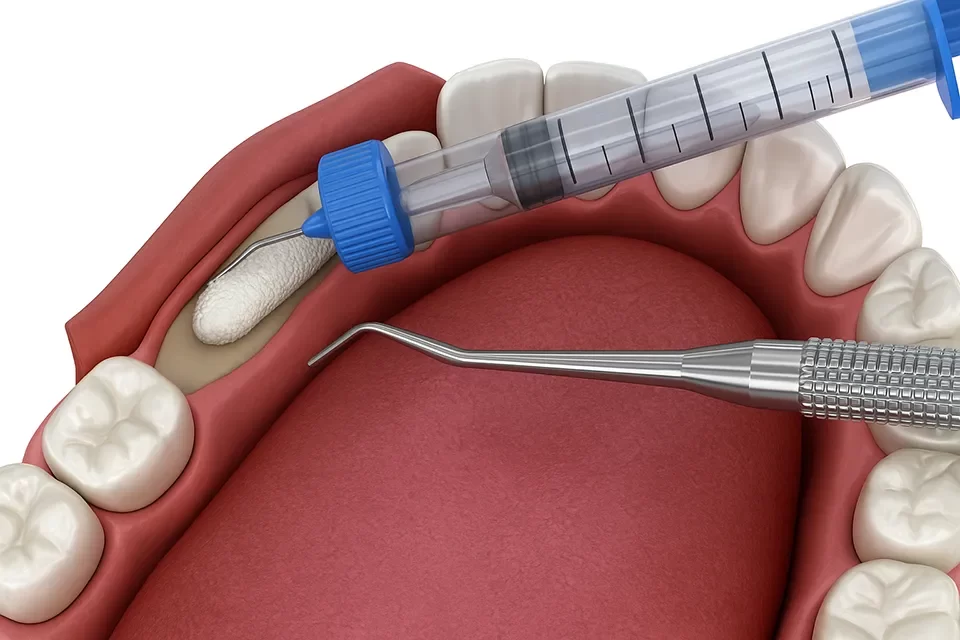
Having insufficient bone for dental implants can limit treatment options. A graft helps build the bone needed for implant placement.
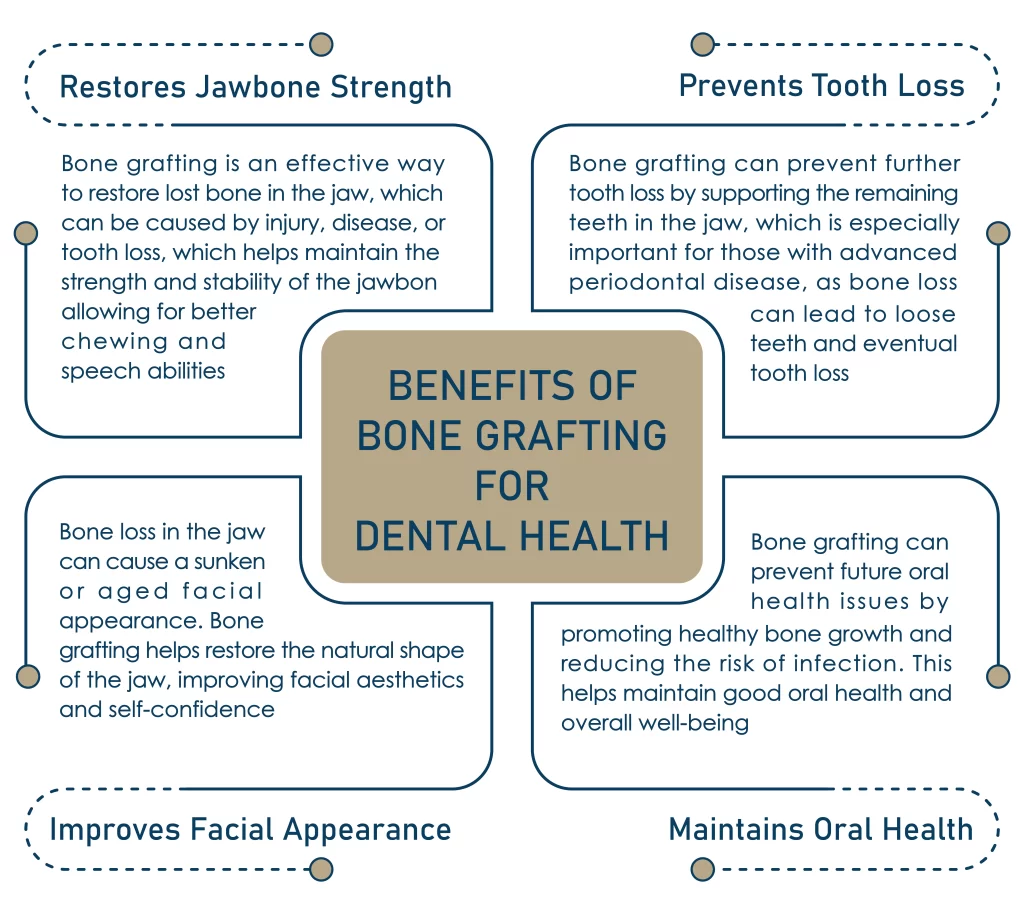
Bone loss can change the contours around missing teeth. Rebuilding the affected area supports the shape beneath your planned restoration.

Graft material supports bone regeneration where additional volume is needed. However, it cannot guarantee protection against all future bone loss.
A graft can help prepare your jaw for replacement teeth. Your completed implant restoration then supports everyday chewing and speaking.

Your dentist examines your mouth and reviews your medical history. They may recommend a CBCT scan to assess bone dimensions and plan treatment where necessary.
Your dentist numbs the area before placing the graft material. They may add a protective membrane, then close the gum with stitches to support healing.
New bone develops gradually as the treated area heals. Many patients wait three to six months before implant placement, although larger grafts may need longer.
Your dentist checks healing before planning the next treatment stage. They assess whether enough bone has developed or whether you need additional time or treatment.
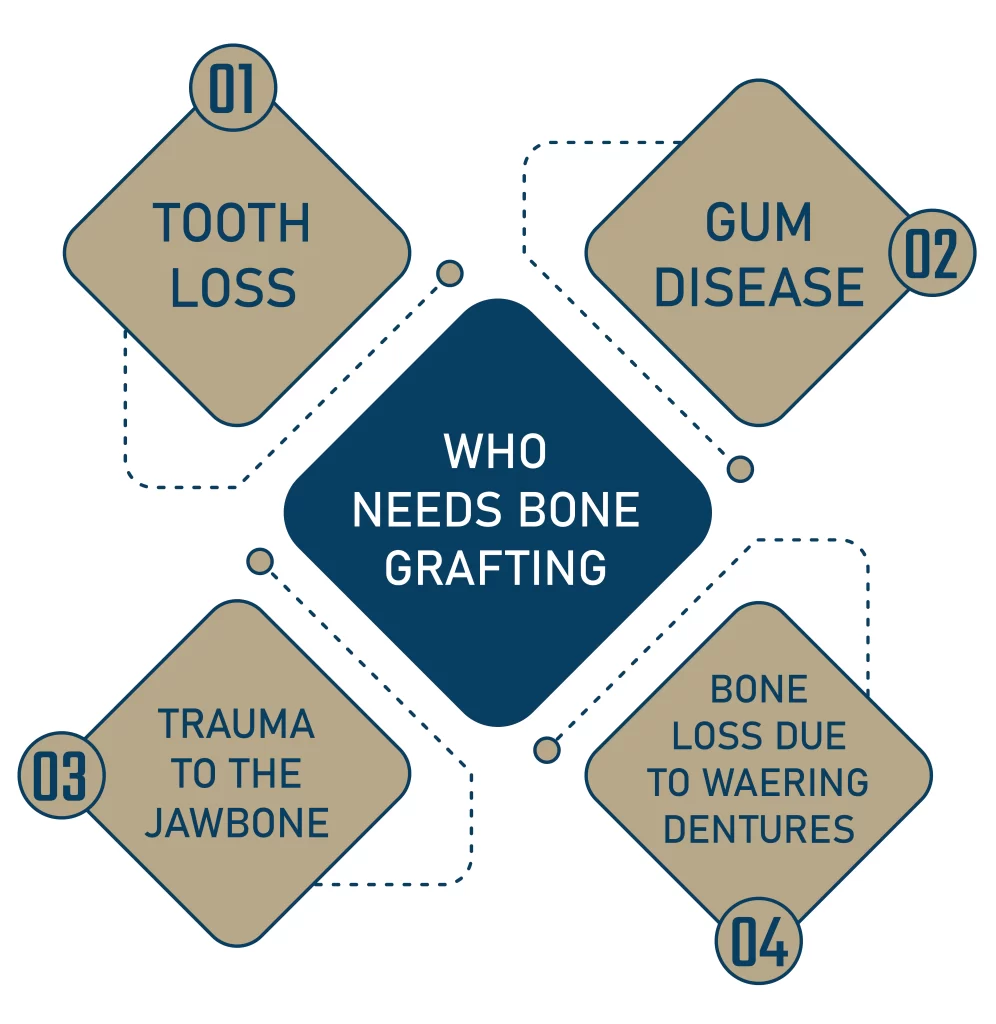
Tooth loss can reduce the bone available for implant placement. Jawbone grafting may help when there is insufficient height or width.
Periodontitis can damage the alveolar bone supporting your teeth. Your dentist addresses active gum disease before planning suitable treatment for implants.
Injuries or existing defects can affect the shape of your jaw. Rebuilding damaged bone may require specialist assessment, depending on its extent.
Your health and medicines can influence healing after surgery. Discuss smoking, diabetes and other conditions with your dentist before agreeing to treatment.
Understanding your options helps you make informed treatment decisions. Our team explains your assessment and answers questions about the proposed approach.eeds.
Your care may involve more than rebuilding missing bone. We offer general and restorative treatments, including dental implants, to support your oral health.
Feeling nervous is something you can discuss with us. We listen to your concerns and explain what to expect throughout treatment.
Dental imaging helps assess the bone available for treatment. Your dentist recommends appropriate investigations based on your individual needs and clinical findings.
Find clear answers about bone graft healing, discomfort, costs and what to expect before dental implant treatment.
Your dental bone graft healing time depends on the procedure. Many patients wait three to six months before implant placement. Larger grafts may take longer, and your dentist checks readiness before proceeding.
Local anaesthetic numbs the area, although you may feel pressure. Afterwards, tenderness, swelling and bruising can occur during early recovery. Follow your dentist’s pain relief advice and contact them if symptoms worsen.
An autograft uses your bone, while an allograft uses human donor material. Xenografts come from animals, and alloplasts use synthetic substitutes. Your dentist explains suitable choices and discusses any preferences about their origin.
Not everyone needs a graft before having an implant placed. Your dentist assesses the available bone during treatment planning. Small grafts sometimes accompany implant placement, while larger grafts usually need to heal first.
Your dental bone graft cost depends on its size and complexity. Materials, scans and any additional procedures can affect the total. Ask for a personalised estimate explaining what your treatment fee includes.
Possible complications include infection, bleeding, graft exposure or unsuccessful healing. Nerve injury is another risk, depending on the treatment site. Your dentist explains your individual risks and how to care for the area.
Unsure whether bone loss could affect your treatment options? At Ardent Sidcup Dental Clinic, we’ll help you understand the next steps. Contact our team to discuss your concerns or arrange an assessment for your smile.
Contact us with your questions or request a call back. We’d be happy to hear from you.