Gum disease and bone loss can change how your bite feels and how confident you are when you chew. When the supporting bone and fibres are damaged, pockets can deepen, and everyday brushing simply cannot reach the infected area properly. Guided tissue regeneration is used when your goal is to protect a tooth by rebuilding support, not just tidying the gums. It helps create a protected space where the right tissues can heal, which may improve stability and reduce ongoing inflammation.
Before you commit to treatment, you deserve clarity on what is realistic for your specific case. A careful periodontal assessment, with charting and appropriate imaging, shows where bone has been lost and whether the defect is suitable for regeneration. If you are looking for a tailored plan, speak with a dental clinic in Sidcup and discuss whether guided tissue regeneration fits your goals, health history, and long-term maintenance routine.
What Is Guided Tissue Regeneration (GTR)?
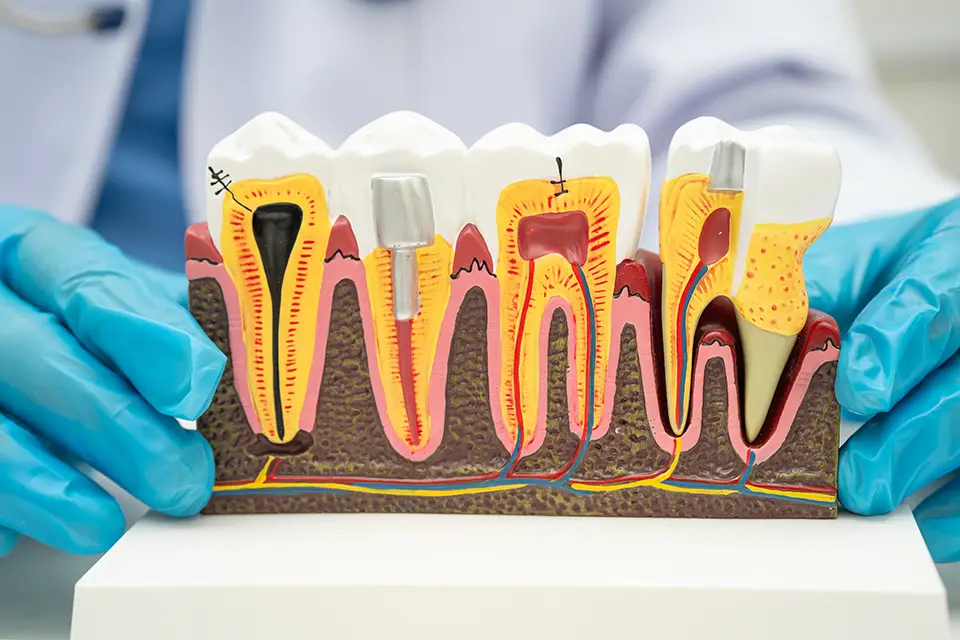
Guided tissue regeneration, often called GTR, is a regenerative periodontal procedure used to repair bone and supporting tissues damaged by gum disease. In simple terms, your clinician places a protective membrane between the gum and the defect so that fast-healing soft tissue does not grow into the space first. This helps guide the slower healing structures, such as bone and periodontal ligament, to regrow where support has been lost, improving the foundation around the tooth.
GTR is most useful when the shape of the bone defect makes regeneration realistic, which is why careful assessment and imaging matter. In some cases, guided tissue regeneration is combined with a bone graft to help stabilise the area and support new bone formation. The goal is not a quick fix, but healthier gum support and more predictable long-term stability when you keep up with maintenance.
Who Are the Best Candidates for Guided Tissue Regeneration?
If you are considering guided tissue regeneration, the decision comes down to whether the defect and your risk factors support predictable healing.
- localised periodontal bone loss around a tooth, often seen as a contained defect on imaging
- deep gum pockets that remain after stabilisation and professional hygiene care
- A clear goal to save a natural tooth rather than move straight to extraction
- good plaque control, with consistent brushing and interdental cleaning
- Willingness to attend maintenance visits and follow post-treatment instructions
- Non-smoking or readiness to reduce smoking, since smoking risk can lower success rates
- Well-managed health conditions, such as uncontrolled diabetes, can affect healing and infection control
What Happens During a GTR Appointment?
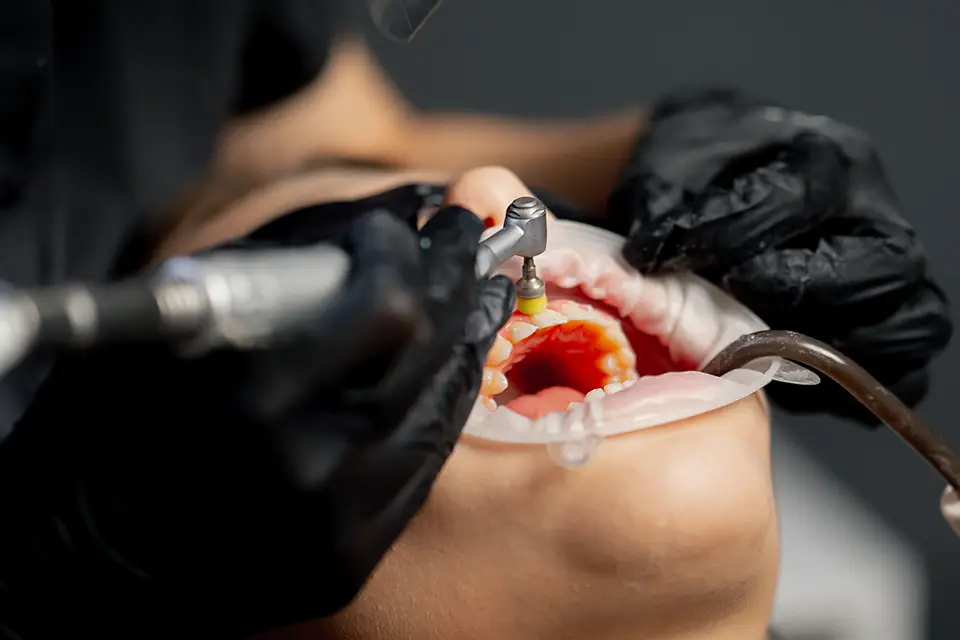
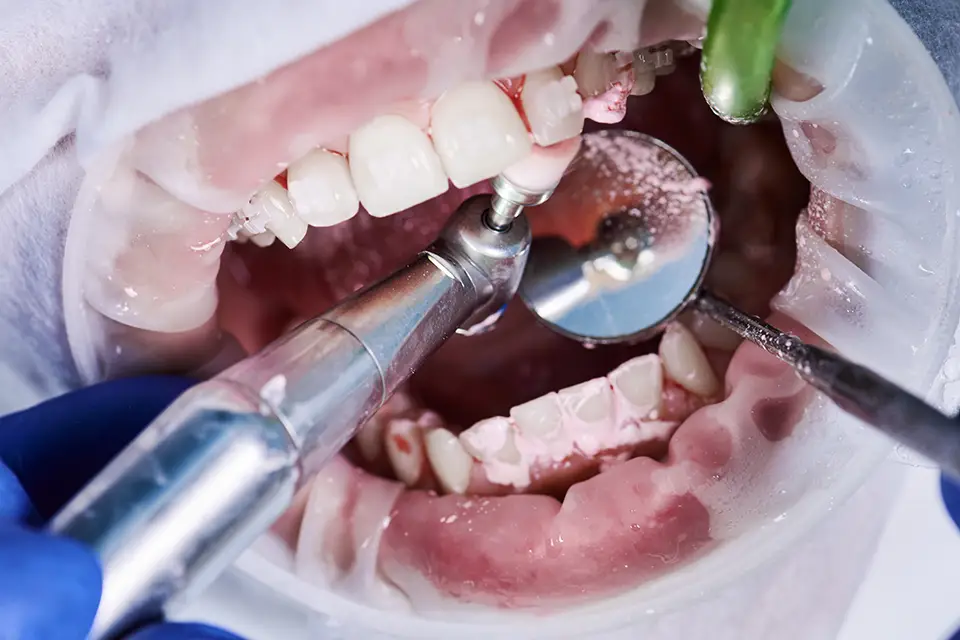
On the day of treatment, your dentist will quickly recheck your charting and X-rays to confirm the exact site being treated. After a local anaesthetic, the gum is lifted just enough to clean the root surface and the bone defect properly, which is the part that routine brushing can never reach. A thin membrane is then placed to protect the space and support guided tissue regeneration, and the area is closed with fine sutures so it can heal without disturbance.
You will go home with clear instructions on eating, cleaning, and follow-up visits, because good aftercare is what makes healing more predictable.
Guided Tissue Regeneration Recovery: Healing Time, Aftercare, and Risks
After guided tissue regeneration, expect the first few days to feel similar to other gum surgeries. Mild swelling, tenderness, and a “tight” sensation are common, and most early healing happens in the first one to two weeks. The deeper part of healing takes longer, which is why your review visits matter. If you protect the area and keep inflammation down, guided tissue regeneration has a better chance to deliver stable support.
- Stick to soft foods, and chew away from the treated tooth
- Clean gently, follow your rinse plan, and prioritise infection control
- Avoid smoking, and keep your follow-ups, because healing is more predictable when issues are caught early
Possible risks include infection, membrane exposure, sensitivity, or incomplete regeneration, so aftercare is not optional; it is part of the treatment.
Guided Tissue Regeneration Before and After: What Results Can Look Like
People often ask for before and after photos, but with guided tissue regeneration, the real proof is in the measurements. After your review, the dentist checks whether the gums bleed less, whether pocket depths are improving, and whether the tooth feels more stable during daily use. In the right type of defect, follow-up imaging can sometimes show bone fill developing gradually, which supports healthier function rather than a quick cosmetic change.
The key is realistic expectations. Healing is individual, and results depend on defect shape, home care, and risk factors like smoking. Your baseline charting is compared with later visits to confirm whether guided tissue regeneration is delivering durable, long-term progress.
Guided Tissue Regeneration Cost in the UK: What Influences the Price?
Costs for guided tissue regeneration in the UK are best discussed after an exam, because pricing depends on the defect, materials, and the level of clinical support needed. As a broad guide, treatment may start from around £600 per site, but your final fee can be different once your case is assessed.
- Case complexity and the number of teeth or sites treated
- The membrane type and whether grafting materials are required for bone support
- Imaging needs, anaesthesia requirements, and follow-up visits for periodontal maintenance
- The clinician’s expertise and the time needed to manage inflammation safely
Conclusion: Is Guided Tissue Regeneration the Right Next Step for You?
If you have been told you have gum disease and bone loss, the most useful question is whether your tooth has a defect that can realistically be rebuilt. Guided tissue regeneration is not for everyone, but in the right case, it can restore support and make the long-term outlook more stable. The safest next step is a detailed exam, with charting and imaging, so you know what is possible and what maintenance will be required. To discuss your options, contact Ardent Sidcup dental clinic, 150 Halfway St, Sidcup DA15 8DG, and book a consultation.
FAQs
Does guided tissue regeneration hurt?
Most patients manage well with local anaesthetic, then mild soreness for a few days. Discomfort is usually controlled with standard pain relief and careful cleaning, but follow your clinician’s aftercare instructions closely.
How long does guided tissue regeneration take to heal?
Early healing often settles within one to two weeks, while deeper regeneration can take months. Review visits track gum stability and the health of the surgical site.
Can guided tissue regeneration save a loose tooth?
It may help when looseness is linked to a treatable bone defect, and inflammation is controlled. Success depends on defect anatomy and long-term periodontal maintenance.
Is GTR the same as a bone graft?
Not exactly. GTR uses a membrane to guide healing and may be combined with grafting for bone support and more predictable outcomes.