Restore Your Smile with Fixed Full-Arch Teeth
Losing several teeth can make eating uncomfortable and leave you hiding your smile. Multiple tooth implants support replacement crowns or bridges, helping restore your bite and appearance. You won’t necessarily need an implant for every missing tooth. At Ardent Sidcup, we assess your remaining teeth and jawbone before explaining suitable options for multiple missing teeth replacement.
Your dentist places titanium posts into the jawbone to support replacement teeth. Separate gaps may need individual implant crowns, while neighbouring missing teeth may suit an implant-supported bridge. Connectors called abutments join the implants to the restoration. This fixed replacement stays in your mouth and usually avoids relying on neighbouring natural teeth for support.
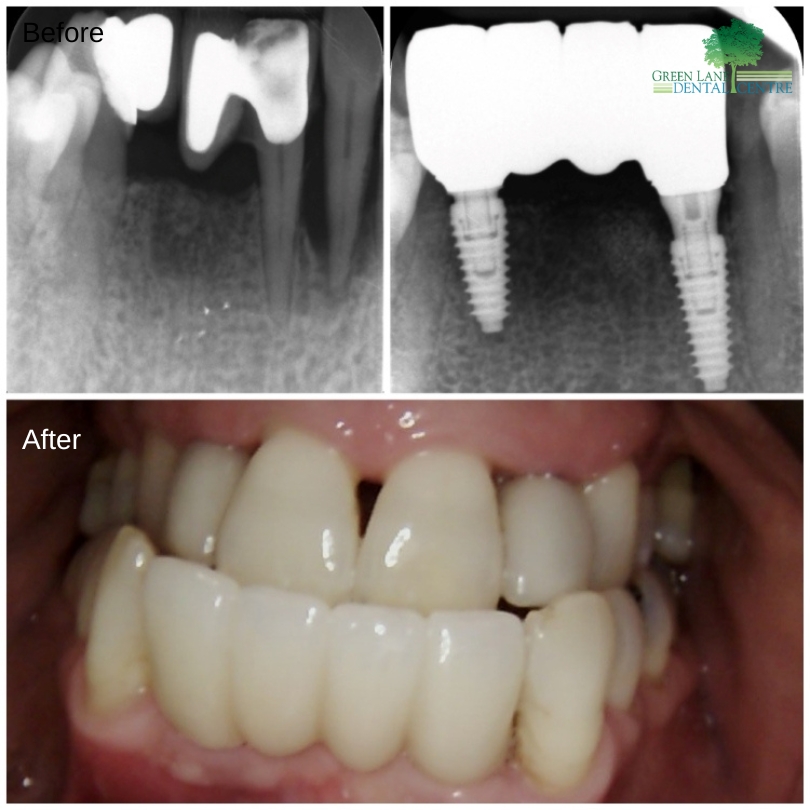
An implant-supported restoration stays fixed when you eat and speak. This offers an alternative if movement from a removable denture affects your comfort or confidence.
Your dentist matches the replacement teeth to your smile. The shape, shade and fit help your dental implant bridge blend with the teeth around it.

Implants can provide many years of service with appropriate care. However, crowns or bridges may eventually need repairs or replacement as their materials gradually wear.
Implants transfer chewing forces into the bone around them. This can help preserve local jawbone, although inflammation and poor cleaning can still lead to loss.
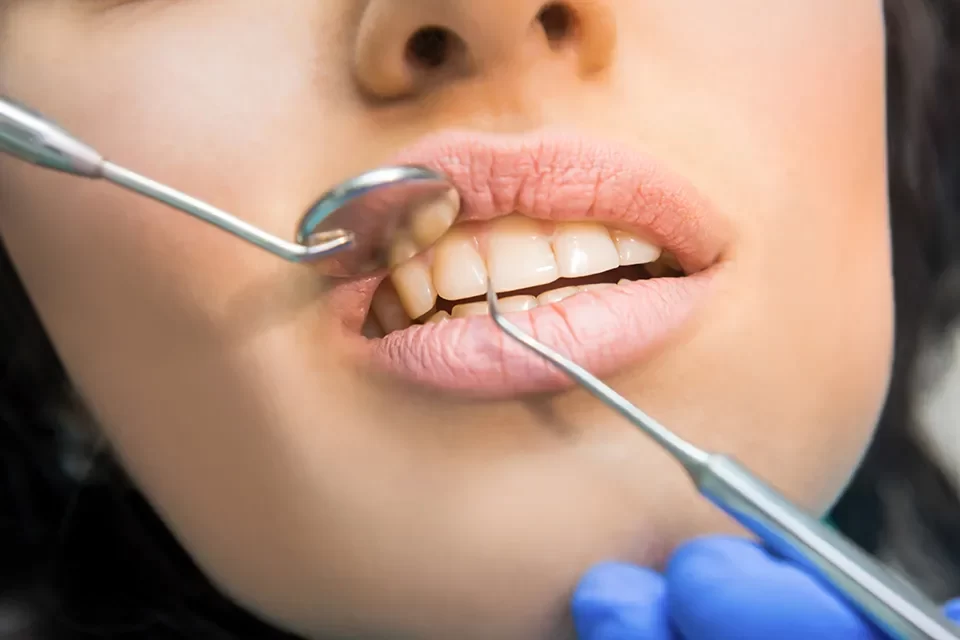
Your dentist examines your gums, remaining teeth and bite. X-rays or a CBCT scan may help assess bone and plan suitable implant positions.
Your dentist numbs the treatment areas before placing the titanium posts. Several implants may be placed during one appointment, depending on your treatment plan.
Your jawbone gradually bonds with the implants through osseointegration. Healing often takes three to six months, with additional time sometimes needed after bone grafting.
Once healing is sufficient, your dentist fits the connectors and replacement teeth. They check your bite, appearance and access for cleaning around the restoration.
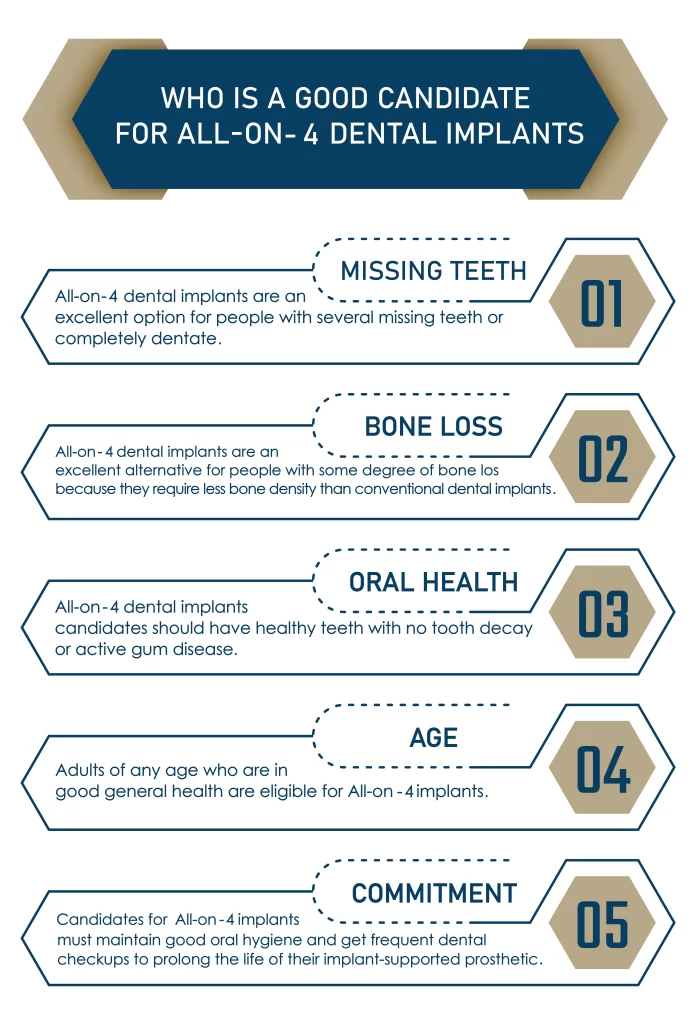
Suitability depends on more than the number of missing teeth. Your dentist checks your oral health, medical history and ability to maintain the finished restoration.
Your implants need healthy surrounding tissues and adequate jawbone support. Your dentist checks bone height and width before planning treatment. If necessary, bone grafting may help rebuild areas with insufficient bone.
A medical condition doesn’t automatically prevent you from having implants. Your dentist reviews your medicines and general health before assessing suitability. Poorly controlled conditions may need attention before treatment can proceed.
Cleaning around implants and beneath your bridge helps protect supporting tissues. Follow your dentist’s implant aftercare advice and attend regular reviews. Your dental team can demonstrate suitable brushes and cleaning techniques.
Smoking can slow healing and increase the risk of implant failure. Stopping before treatment and remaining smoke-free helps reduce these risks. Your dentist will discuss how smoking affects your individual suitability.
Understanding your choices helps you plan your treatment confidently. Our team explains the proposed approach and answers questions about replacing your missing teeth.
Your mouth may need preparation before implant treatment begins. We offer general and restorative dentistry to support your remaining teeth and overall oral health.
Your priorities matter when choosing how to replace teeth. We listen to your concerns and explain the stages, helping you make an informed decision.
Dental imaging helps assess the areas beneath your gums. Your dentist recommends appropriate investigations to guide implant positioning and plan your replacement teeth.
Find clear answers about replacing several missing teeth, including implant numbers, treatment time, comfort, costs and long-term care.
You don’t always need one implant for each missing tooth. For example, two implants may support a bridge replacing three adjacent teeth. Your dentist determines the number from your bone, bite and gap size.
Local anaesthetic should prevent sharp pain during implant placement. You may feel pressure or vibration, with soreness and swelling afterwards. Your dentist explains pain relief and when symptoms need checking during your recovery.
Implants can last many years with consistent cleaning and professional care. The crowns or bridge may need replacement before the implants themselves. Gum health, smoking and tooth grinding can affect their long-term performance.
Treatment takes several months rather than a single visit. Bone bonding often takes three to six months before fitting the final restoration. Extractions, grafting and additional healing can extend your overall treatment time.
Your total depends on the implants, bridge and preparatory treatment required. Our private fees list dental implants at £2,500 and implant consultations at £50. These aren’t a multiple-tooth package price; request an itemised treatment estimate.
Wondering which replacement option would suit your missing teeth? At Ardent Sidcup Dental Clinic, we’ll help you understand the possibilities. Contact our team to arrange an assessment and discuss your treatment, likely timescale and costs.
Contact us with your questions or request a call back. We’d be happy to hear from you.