INTRODUCTION
At Ardent Sidcup, we believe patients make their best decisions with clear, balanced information. If you’ve been told there isn’t enough upper jaw bone for standard dental implants, zygomatic implants may still offer a fixed, confident smile. In this guide, we explain how zygomatic implants work, when they’re considered, the materials used, realistic pros and cons, and what influences UK pricing.
Predictable outcomes with zygomatic implants rely on careful assessment, precise placement, and consistent maintenance. We’ll also outline what to expect at the consultation, how 3D imaging shapes the plan, and the maintenance commitments that ensure results remain comfortable over time. Treatment pathways with zygomatic implants are individualised based on anatomy and goals.
WHAT ARE ZYGOMATIC IMPLANTS?
Zygomatic implants (sometimes called zygomatic dental implants or zygoma implants) are extra-long fixtures anchored in the cheekbone (zygoma) rather than the thinned posterior upper jaw. In many full-arch cases, they’re paired with conventional fixtures at the front to support a fixed bridge. Because the cheekbone is dense, this approach can create stability when sinus lifts or large grafts would otherwise be required.
This pathway offers a way to secure a complete set of upper teeth when conventional routes are limited. With zygomatic implants, anchorage in the cheekbone provides a stable foundation when maxillary bone is insufficient. In practical terms, zygomatic implants let us bypass weak upper-jaw areas and rebuild a fixed bite.
The procedure is mapped with 3D CBCT and digital guides to plan zygomatic implants at the exact angle and depth. The prosthesis is designed to spread bite forces efficiently across the anterior implants and the zygomatic anchorage. While the technique can reduce the need for extensive grafting, it isn’t automatically the best choice for every person with bone loss; suitability depends on anatomy, medical history, and goals for comfort and maintenance. For a broader context, see our guide to types of dental implants.
ZYGOMATIC IMPLANTS PROS AND CONS
Before we weigh things up, remember that predictable outcomes with zygomatic implants depend on careful assessment, precise placement, and consistent maintenance. With that in mind, here’s how this option typically compares for appropriate cases, with emphasis on day-to-day practicality.
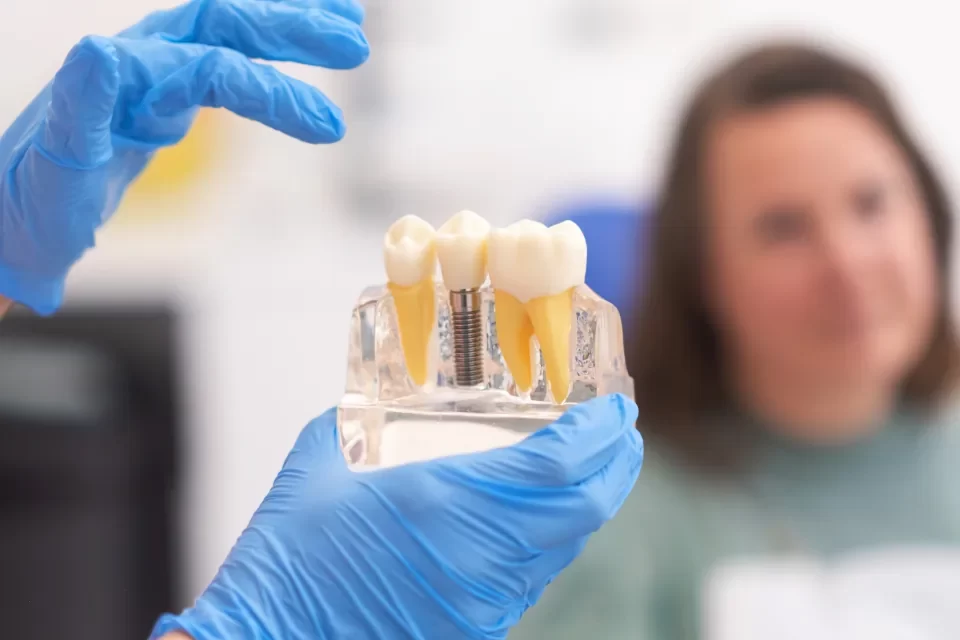
THE ADVANTAGES:
- Graft-sparing Option: May avoid extensive sinus lifts or major grafting for severely resorbed jaws, reducing total treatment stages in the right cases.
- Stable Anchorage: Uses dense zygomatic bone to support a full-arch bridge with robust, well-planned biomechanics for eating and speaking.
- Structured Planning: Digital design and guided surgery can streamline sequencing and model hygiene access in advance.
THE CONSIDERATIONS:
- Specialist Procedure: Complex and not offered everywhere; careful case selection and experienced surgical teams are essential.
- Higher Surgical Demands: Expect detailed planning, 3D imaging, longer chair time, and staged reviews compared with routine implants.
- Maintenance Considerations: Angulation and access can complicate hygiene; ongoing reviews and tailored cleaning routines are essential.
Our perspective is that this approach, while remarkable for the right patient, is not universally applicable. We’ll always discuss alternatives—such as short or angled fixtures, staged bone grafting, or implant-retained overdentures—so you can compare risks, timelines, and maintenance requirements.
At Ardent Sidcup Dental Clinic, we’ll help you weigh these options against your daily schedule and treatment tolerance to ensure the plan is one you can live with.
WHO IS A GOOD CANDIDATE FOR ZYGOMATIC IMPLANTS?
Candidacy is determined individually after imaging and clinical assessment. The following scenarios often prompt a discussion about this pathway:
- Significant upper-jaw bone loss, resulting from long-term denture wear, gum disease, or failed grafting, necessitates substantial grafting for conventional fixtures.
- Prior advice that conventional implants are unlikely without major grafts; zygomatic anchorage is evaluated alongside other full-arch strategies.
- A full-arch bridge requires realistic expectations and a commitment to meticulous home care; success relies on daily cleaning and regular reviews.
Contraindications can include uncontrolled medical conditions, anatomical limitations on 3D scans, or challenges with oral hygiene. Smoking status, poorly controlled diabetes, and a history of sinus concerns may also influence planning and timing. We begin with a comprehensive assessment and a 3D CBCT scan to confirm whether zygomatic anchorage or another full-arch plan is safer.
If you’re early in research, start with a consultation for dental implants in Sidcup; we’ll advise on advanced cases and arrange specialist referrals where appropriate. You can also read how a CBCT (3D X-ray) supports implant planning before your visit. Bring previous scans or denture history and a current medications list so we can build an accurate picture quickly.
MATERIALS USED IN ZYGOMATIC IMPLANTS
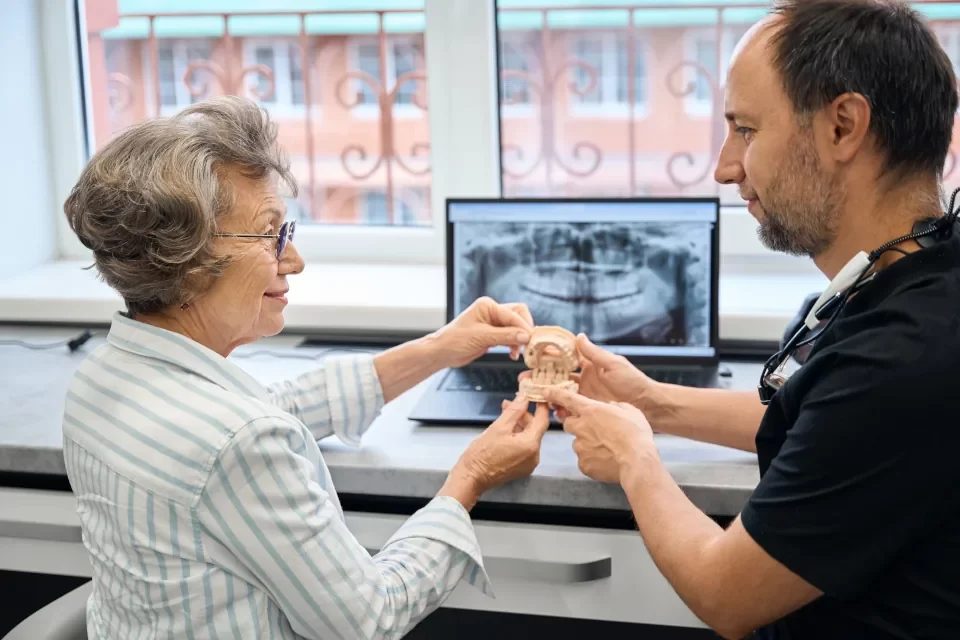
Choosing the right materials supports comfort, durability, and maintenance over time. The two primary, proven options are:
- Titanium (or titanium alloy): Strong, biocompatible, time-tested, and able to integrate with bone; its strength and flexibility help manage functional loads under a full-arch bridge.
- Zirconia: A metal-free ceramic that is strong and biocompatible; its tooth-colored appearance can be useful in specific aesthetic contexts and is typically used for the prosthetic framework or bridge material rather than the zygomatic fixture itself.
Full-arch restorations are commonly built on a titanium or cobalt-chromium bar with durable acrylic or composite; premium options may use monolithic or layered zirconia. We plan abutment angulation and screw access with digital software, so cleaning is realistic once your bridge is fitted. Multi-unit abutments can correct angulation and improve access, making home care and professional maintenance more straightforward. Digital planning and robust frameworks help zygomatic implants support fixed full-arch restorations reliably.
Pre-surgical workflows nearly always include a 3D CBCT scan and prosthetic-led planning, which helps position components for hygiene, repairs, and long-term comfort, and lets us discuss shade, tooth shape, and how the edges meet your soft tissues.
ZYGOMATIC IMPLANTS COST
Costs vary because each case is unique. To set expectations fairly, we separate the standard cost drivers and provide an itemised plan after assessment. Typical factors include the number/type of fixtures (pure zygomatic vs. hybrid with conventional), surgical time and team, anaesthesia/sedation, whether a provisional “same-day” bridge is used, the final bridge material (acrylic/composite vs. zirconia), and follow-up maintenance. Your itemised quote will reflect the diagnostics, provisional bridge, reviews, and surgical stages involved in zygomatic implants.
As a ballpark, zygomatic implants full-arch treatment often ranges from £18,000–£28,000 per arch in the UK, but the final cost can be lower or higher depending on your scans, surgical complexity, and chosen materials; we’ll give you a precise figure after consultation.
We’ll give you a clear, like-for-like breakdown covering diagnostics (scans and guides), surgery, temporaries, and the definitive bridge. This transparency helps you compare quotes meaningfully rather than guessing whether a lower price omits key stages. We’ll also discuss timelines, the review schedule, and the likely lifespan of provisional components, so you can plan for check-ups and routine replacements as the work progresses.
CONCLUSION
Zygomatic anchorage can expand options for patients with severe upper jaw bone loss—often reducing the need for extensive grafting when planned carefully. Our role is to help you understand where this approach stands among the alternatives, what the maintenance entails, and how costs are allocated—then guide you to the safest, most predictable pathway. If you’re exploring advanced full-arch solutions, we invite you to book a comprehensive consultation. We’ll review your scans, discuss candidacy, and, where appropriate, coordinate referral to a trusted specialist team.
Prefer to speak to us first? Contact Ardent Sidcup Dental Clinic. We’re here to answer questions, explain next steps clearly, and help you decide if zygomatic implants align with your anatomy, goals, and timeline.