If you’ve been weighing up tooth-replacement options and want something kinder on your mouth and your diary, mini dental implants are worth a look. At Ardent Sidcup Dental Clinic, we place them for people who want stability without a long, complicated process. Compared with conventional dental implants, minis use slimmer posts and a gentler surgical approach, which often means less tenderness afterwards and fewer visits overall. For many patients, mini dental implants feel like the “just right” option—secure enough to steady a wobbly denture or support a single tooth, without months of waiting or complex grafting. In the next few minutes, we’ll cover what they are, when they shine (and when they don’t), what they’re made of, how much they tend to cost in the UK, and what the journey looks like at our clinic—so you can make a calm, confident choice.
What Are Mini Dental Implants?
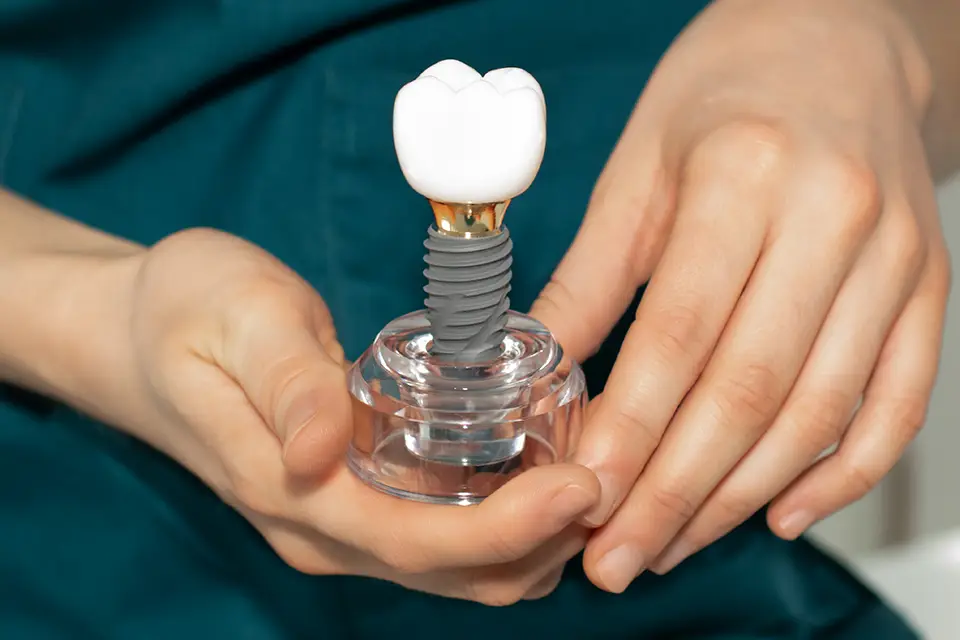
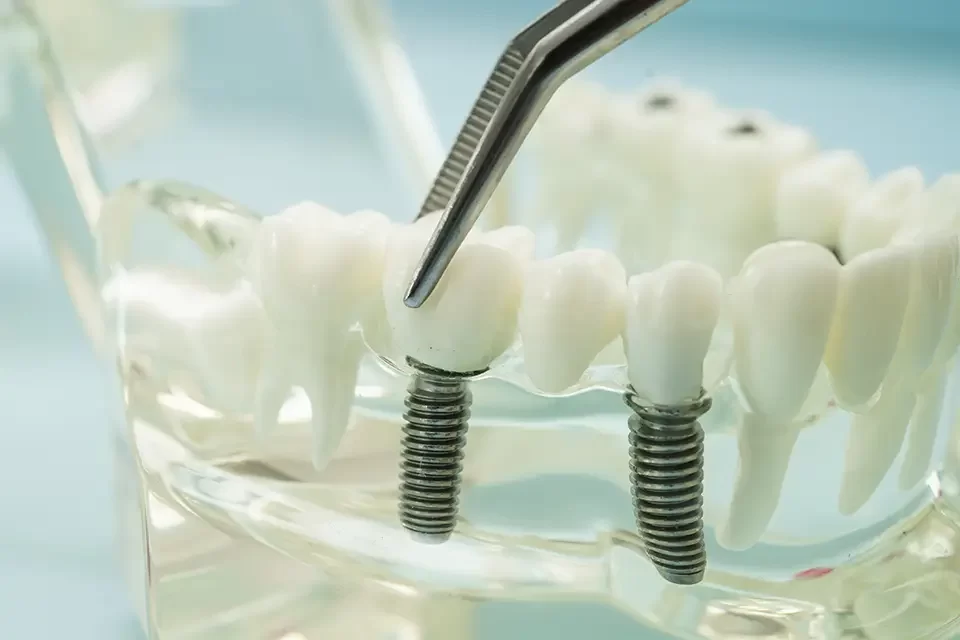
Mini dental implants are small-diameter, one-piece titanium posts placed into the jaw to act like artificial roots. Because they’re typically under 3 mm wide, the access points are smaller and soft tissues are disturbed less than with larger fixtures. Once healed, those posts can anchor a crown, a short bridge, or—very commonly—secure a lower denture so it clicks into place and stops slipping.
Now let’s take a look at the different types of dental implants:
- Conventional Implants: Standard-diameter, two-piece systems suited to higher bite forces and broad restorative choices.
- Mini Dental Implants: Slim, usually one-piece posts ideal for narrow ridges or denture stabilisation.
- One-Piece vs Two-Piece: One-piece combines post and abutment; two-piece allows angle corrections and part replacement.
- Immediate vs Staged Loading: Some cases can be restored sooner; others benefit from a healing period first.
Mini Dental Implants: Pros And Cons
At Ardent Sidcup Dental Clinic, our job is to lay out real-world trade-offs so the decision fits your life.
Pros
- Less Invasive Procedure: Smaller access, minimal suturing in many cases, and typically milder recovery.
- Faster Turnaround: Often fewer appointments and a quicker return to normal eating (with sensible aftercare).
- Lower Upfront Cost: Frequently more budget-friendly than larger implant plans.
- Denture Stability: Transforms a loose denture into a confident, click-fit appliance.
Cons
- Lower Load Capacity: Not ideal for heavy grinding or high-force molar areas.
- Narrower Indications: Best for single small teeth or stabilising dentures, not long fixed bridges.
- Service Life: May require maintenance or replacement sooner than some conventional systems.
Mini dental implants are brilliant when the aim is comfort, speed, and denture control; for robust back-tooth replacements, a full-size implant often wins on strength.
Who Is A Good Candidate For Mini Dental Implants
The best candidates want a stable, everyday function without a big surgical footprint. During consultation, we review your health, gum status, bite forces, and bone volume to see whether mini dental implants make sense.
Often A Good Fit
- Adequate Bone in a Narrow Ridge (enough height and density without grafting)
- Single-Tooth Gaps or Short Spans (lower incisors or premolars are common)
- Denture Stabilisation (especially lower dentures that lift or slide)
- Preference For Less Invasive Care (shorter chair time, straightforward recovery)
May Need Another Route
- Heavy Bruxism (strong clenching/grinding can overload slim posts)
- Significant Bone Loss (may benefit from grafting and conventional implants)
- High-Load Molars (back teeth usually favour larger fixtures)
- Uncontrolled Conditions (active gum disease or poorly controlled diabetes first need attention)
A scan and bite analysis help us confirm whether mini dental implants are the right match or if another plan will be more durable for you.
Materials Used in Mini Dental Implants
Most mini dental implants are made from medical-grade titanium or a titanium alloy (commonly Ti-6Al-4V ELI). Titanium integrates beautifully with bone (osseointegration), has an excellent strength-to-weight ratio, and remains the most proven option for slim posts. Many systems feature micro-textured or treated surfaces to support early stability. Because minis are often one-piece designs, there are fewer components to loosen—but placement needs to be precise so the final angle suits your restoration.
Mini Dental Implants Cost
Let’s talk numbers the way patients prefer: clearly. Prices vary by case, but in the UK, mini dental implants typically range from about £500 to £1,200 per implant. For stabilising a denture (often four to six), total treatment—including retrofitting or fabricating the denture—commonly falls between £2,000 and £4,500+. Your personalised quote at Ardent Sidcup Dental Clinic will reflect your anatomy and goals.
What Influences the Cost
- Number of Implants (single gap vs 4–6 for a denture)
- Restoration Type (crown, short bridge, or denture reline/retrofitting)
- Diagnostics & Planning (3D scans, bite analysis, trial fittings)
- Comfort Options (local anaesthetic is standard; sedation, if chosen, adds cost)
- Aftercare & Maintenance (periodic checks; clip/liner refreshes for overdentures)
We’ll give you a written estimate and timeline so you can compare routes side-by-side and choose with confidence.
Treatment Journey: What To Expect
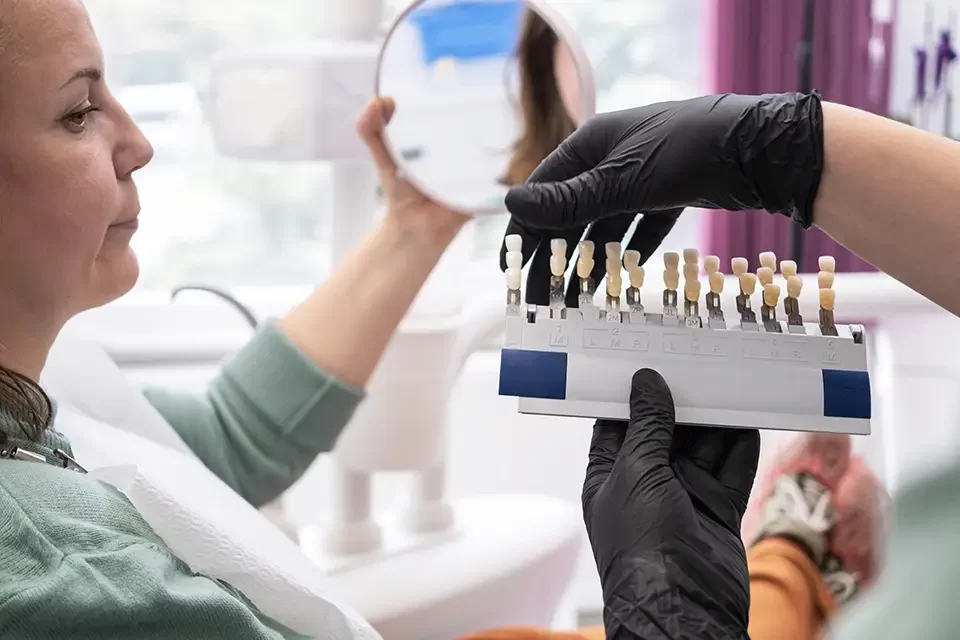
A calm, stepwise plan keeps mini dental implants feeling manageable from start to finish.
- Consultation & Scan – Medical history, photos, and 3D imaging to map bone and bite.
- Placement Day – Slim posts placed through small access points; most people report mild soreness afterwards.
- Healing & Checks – We review comfort and early stability; soft foods are wise at first.
- Attachment & Fit – Crown, clip-retained denture, or short bridge is connected, and the bite is fine-tuned.
- Maintenance – Routine hygiene visits; occasional clip/liner refreshes keep dentures snug.
From first visit to final fit, our team explains each step so there are no surprises—just steady progress.
With sensible bite forces and regular hygiene, mini dental implants can serve well for years. Daily brushing, interdental cleaning around attachments, and routine reviews are the essentials. If you clench or grind, a night guard is a smart safeguard—especially for slimmer posts—so your investment lasts.
Conclusion
For the right person, mini dental implants deliver exactly what you’re hoping for: a lighter procedure, faster recovery, and a realistic budget—particularly if a loose denture is holding you back or a single small tooth needs replacing. They’re not the answer for every mouth, and they can’t match the heavy-duty strength of full-size fixtures in high-force areas. That’s why an honest assessment matters: we match the treatment to your bone, your bite, and your goals, then keep it simple with clear instructions and straightforward maintenance.
If you’d like personal advice, book a consultation at Ardent Sidcup Dental Clinic. We’ll walk you through scans, explain options in plain English, and provide a transparent quote that reflects your case—whether that’s mini dental implants for denture stability or conventional implants for back teeth. Call our team or book online to get a tailored plan, an estimated cost range, and a timeline that fits your life.