Dental implants have changed what’s possible after tooth loss. Instead of a removable piece, you get a fixed foundation that lets you chew, speak, and smile like yourself again. That said, even great dentistry isn’t completely risk-free—dental implant problems can happen if the site isn’t ideal, the bite is overloaded, or home care slips. The reassuring part? Most issues are preventable, and the rest are usually straightforward to fix when you catch them early. If you’re weighing dental implants in Sidcup, this guide gives you a clear explanation of how implants work, dental implant problems we watch for, and the steps that keep them stable for the long haul.
What are Dental Implants?
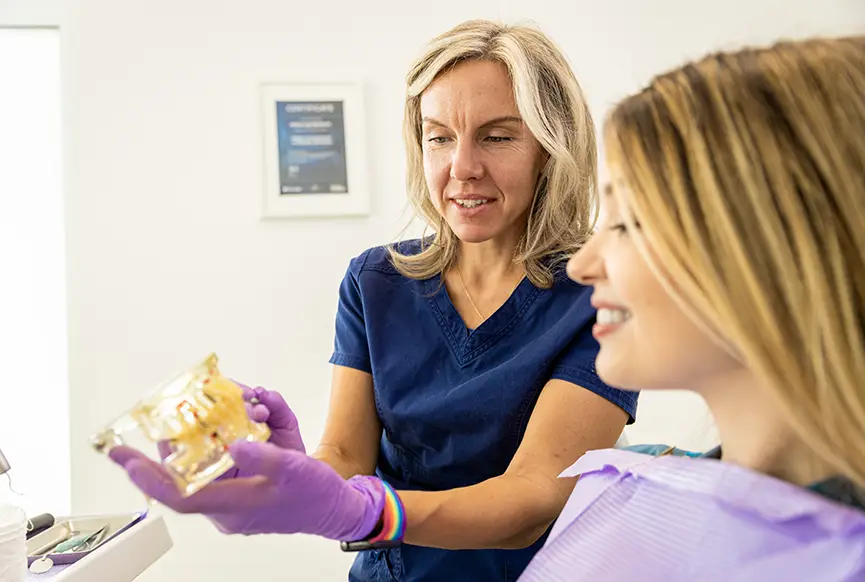
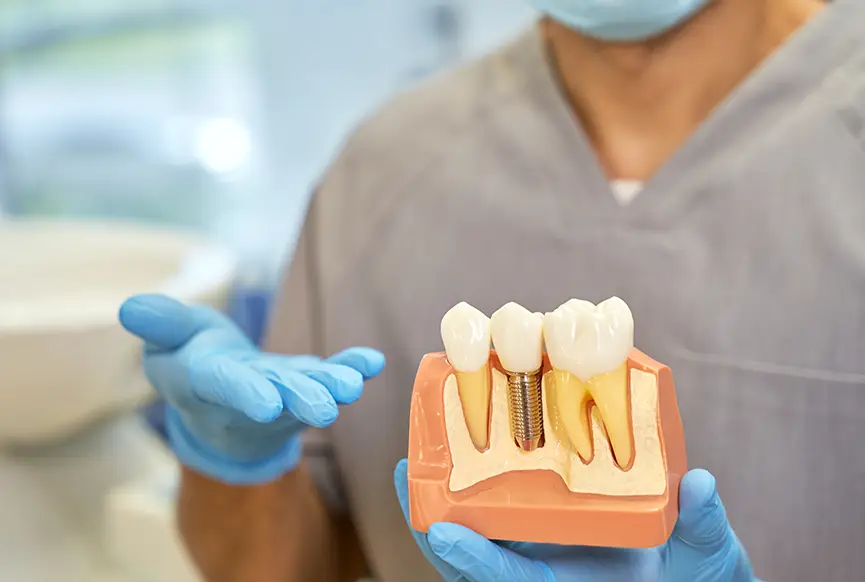
Think of an implant as a new root engineered for your jaw. A small, biocompatible post (typically titanium or zirconia) is placed in bone; over the next weeks, your bone bonds to it—a process called osseointegration. We then attach a connector (the abutment) and a custom crown, bridge, or denture so the result looks natural and handles everyday chewing without drama. At Ardent Sidcup Dental Clinic, we design the whole system—position, depth, gum contour, material choice, and how your teeth meet—before a drill ever touches bone. That front-loaded planning pays off: the restoration cleans easily, shares bite forces sensibly, and is less likely to run into dental implant problems later on. Beyond filling a gap, implants help preserve jawbone and stop neighbouring teeth from drifting, which is why they’ve become the go-to option for many patients.
Dental Implant Problems
Implants do well for most people, most of the time. When trouble shows up, it tends to follow a few familiar patterns. Knowing the early signals—and acting on them—keeps solutions simple.
What We See Most Often
- Gum Irritation (Peri-implant Mucositis): Redness or bleeding when you brush around the implant. Caught early, it’s usually a quick hygiene tune-up and better home technique.
- Bone Loss from Infection (Peri-implantitis): Deeper pockets, bleeding or a bad taste, and changes on X-rays. This is treatable, but the clock matters—early care protects the fixture.
- Loose Crown or Abutment Screw: A tiny “click” when you bite or a crown that feels off. Mechanical fixes—retorquing or swapping a worn screw—often solve it.
- Chipped Porcelain or Composite: Heavy bite forces (or a surprise olive pit) can nick the surface. We smooth small chips; larger ones may need a repair or remake.
- Bite Overload and Grinding: Night clenching concentrates force and can speed up dental implant problems. A night guard and bite adjustment spread the load.
- Gum Recession or Thin Tissue: Edges begin to show or small gaps appear between teeth. Sometimes we reshape the prosthetic; sometimes we add soft tissue for a better seal and look.
- Less Common Anatomy Issues: Sinus irritation for upper molar sites, nerve sensitivity in the lower jaw, or, rarely, a fractured implant.
Early signs that deserve a call: bleeding you can’t brush away, swelling, a persistent bad taste, tenderness that sticks around, movement, or a bite that suddenly feels “different.” Early attention turns most of these dental implant problems into routine fixes instead of big projects.
Dental Implant Problems Prevention
Prevention starts long before surgery and continues for life. The aim is to select the right case, place the implant precisely, control load, and keep the surrounding tissues calm.
Before Placement
- Comprehensive Assessment: Medical history, gum health, and 3D imaging to map bone, nerves, and sinuses. We evaluate bite forces, clenching, and space for cleaning so that the design supports durability.
- Risk-factor Control: Support for smoking cessation, diabetes optimisation, and medication review. These steps significantly reduce post-operative dental implant problems.
- Site Preparation When Needed: Bone or soft-tissue grafting to create volume and thicker gums, improving both stability and aesthetics.
During Placement and Restoration
- Guided Positioning: Correct depth, angulation, and emergence profile so the crown cleans easily and shares forces sensibly.
- Thoughtful Material Choices: Components that match your bite strength and cosmetic goals; screw-retained designs where retrievability matters.
- Load Management: Accurate occlusion (how teeth meet) and staged loading in higher-risk sites—sometimes a provisional crown first, then the definitive one.
For Long-term Maintenance
- Home Care that Works: Soft brush, implant-safe floss or interdental brushes, and water flossers where access is tricky.
- Night Guard for Bruxism: Protects porcelain and hardware from overload.
- Scheduled Maintenance: Peri-implant checks, targeted cleaning, and X-rays only when they change decisions. Consistency here is what prevents minor inflammation from becoming bone loss.
Dental Implant Problems Treatment
When dental implant problems arise, we match treatment to the cause and stage of disease, aiming to stabilise tissues and preserve the implant whenever predictable.
For Soft-tissue Inflammation (Peri-implant Mucositis)
- Professional Debridement: Air-polishing powders and non-scratching tips clean biofilm without scuffing the implant surface.
- Home-care Reset: Coaching on technique and tools sized to your implant contours.
- Short-course Antiseptics: Rinses or gels as needed; time-limited and targeted.
For Peri-implantitis (Bone Loss)
- Deep Decontamination: Mechanical and ultrasonic cleaning of the implant surface, sometimes with adjunctive therapies to disrupt biofilm in deep threads.
- Site-specific Antimicrobials: Local delivery when indicated, paired with meticulous debridement.
- Regenerative Procedures: Bone grafting and membrane techniques to rebuild support where conditions are favourable.
- Design and Bite Review: If overload helped drive the problem, we adjust contacts or redesign the restoration to lower stress.
For Mechanical or Aesthetic Issues
- Loose Crown/Abutment: Retorque to manufacturer specifications, replace worn screws, re-cement or remake the crown if fit is compromised.
- Chipped Porcelain or Composite: Smooth minor chips; replace or upgrade materials when larger areas are involved.
- Soft-tissue Recession or Thin Biotype: Connective-tissue grafts or prosthetic redesign to improve gum contours and camouflage components.
When Removal Is the Safer Path
- Explant and Staged Re-treatment: If the fixture is fractured or disease is advanced, we remove the implant, restore the site (bone/soft tissue), and plan a new implant once healthy, or choose an alternative like a bridge or partial.
- Clear and Direct Communication: Here’s what we found, why it likely happened, and your options ranked by predictability, comfort, and cost. With timely care, many dental implant problems resolve without sacrificing the implant.
Conclusion
Healthy implants are a partnership. Precise planning and gentle surgery set the stage; your daily cleaning, bite protection, and regular reviews keep everything stable. Understanding the typical pathways for dental implant problems helps you spot small changes early—and early action keeps solutions simple. If you notice bleeding, movement, soreness, or a crown that suddenly feels “different,” a prompt review can protect years of function and aesthetics.
Ready for a calm, thorough check? Book a consultation with Ardent Sidcup Dental Clinic. We’ll assess your current implants, tidy up any early concerns, and build a maintenance plan that keeps them strong, comfortable, and looking the way you want—this year and long term.