Mini dental implants can be a smart option if your denture lifts when you bite, clicks when you speak, or leaves you avoiding certain foods. When stability is poor, people often start chewing on one side, choosing softer meals, and dealing with sore spots that keep coming back. The aim is simple: steady dentures and more comfortable chewing, without making treatment feel bigger than it needs to be.
In Sidcup, the first step is a focused check of your gum health, bone support, and bite forces, because those details decide whether mini implants are appropriate and how many you might need. Your dentist will explain what results are realistic, how quickly you can get back to normal routines, and what aftercare looks like. If you’re comparing options, our page on implants in Sidcup explains standard treatments and how they compare with mini dental implants. With mini dental implants, you should leave the consultation with a personalised plan and clear costs, not guesswork.
What Are Mini Dental Implants?
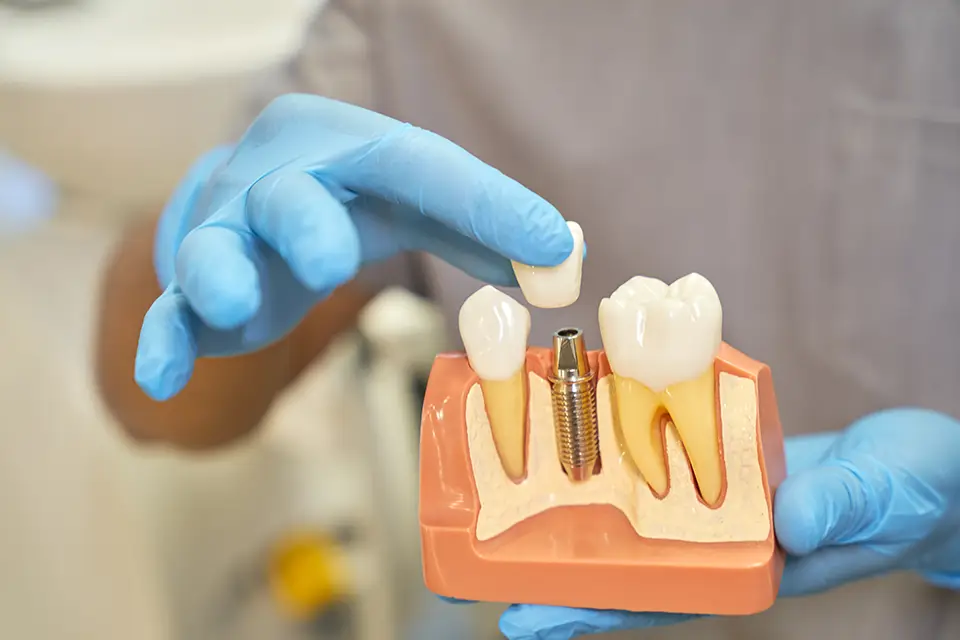
Mini dental implants are small titanium posts that sit in the jaw and act like an anchor for a replacement tooth or an implant-retained denture. The main difference is their width. Because they are narrower, they can sometimes be used where bone is limited, as long as your gums are healthy and your bite is not placing excessive pressure on the area. This is something your dentist will confirm at a dental clinic in Sidcup after reviewing your scan.
They are not the right choice for every situation. Used in the right case, they offer added stability and a more secure feel day to day.
Who Are Mini Dental Implants Best for?
Mini dental implants are often a good fit when the goal is denture stabilisation with a straightforward treatment plan. They may be recommended for patients who:
- Have a lower denture that feels loose, and want implant-retained dentures for day-to-day security
- Have limited bone width and want a narrow diameter option after a clinical assessment
- Prefer a less invasive approach with a shorter recovery in suitable cases
- Need a stable solution, but may not be ideal candidates for complex, full arch implant treatment
Mini Dental Implants Procedure
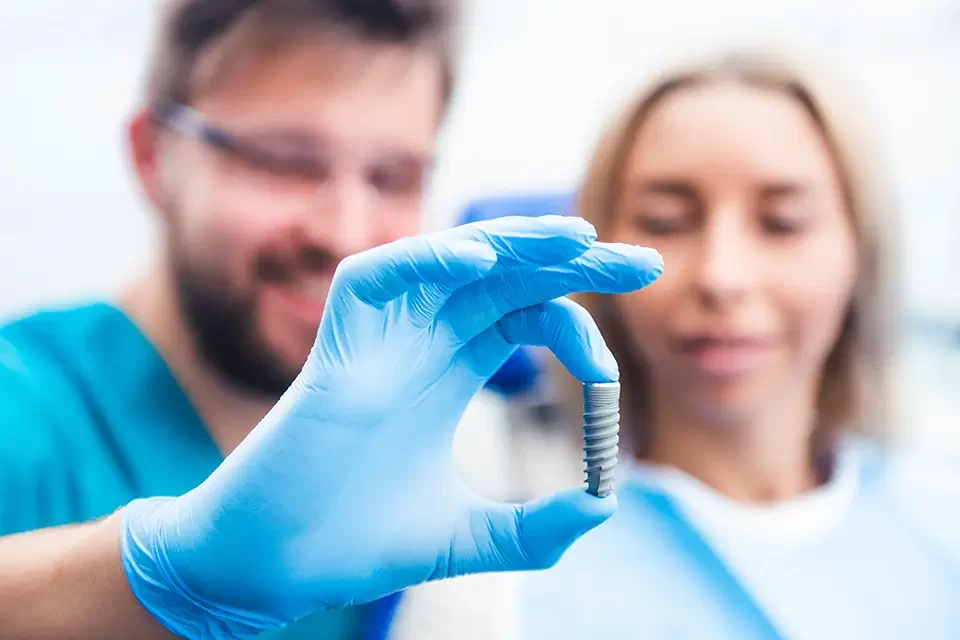
With mini dental implants, the appointment usually begins with a quick check of your bite and the scan findings, so the position is planned safely and your denture will sit evenly. Your dentist then uses a local anaesthetic to numb the area and places the small implant through a tiny opening in the gum. If you’d like a clearer comparison, see our guide to the types of implants and how mini dental implants compare with standard options. In many denture cases, the fixing parts can be added so your denture clips on more securely, meaning it feels steadier straight away.
You will go home with practical instructions on cleaning, what to eat for the first few days, and how to avoid putting extra pressure on the area. A follow-up visit checks healing and adjusts the bite, because comfortable chewing and healthy gums depend on the details.
Mini Dental Implants Pros and Cons
If you are weighing up mini dental implants, it helps to look at day-to-day benefits alongside the real limitations.
- Many patients like the simpler placement and the fact that it can feel less daunting than more complex surgery
- For denture wearers, the biggest win is often better stability, especially with a lower denture that keeps lifting
- In selected cases, mini implants can work well where there is limited bone width, based on your scan and bite check
- Some people find they can return to normal routines sooner, with fewer “post-treatment” disruptions
There are trade-offs to be aware of.
- They may not suit strong biters or anyone with severe grinding, where a standard implant plan can be safer
- They still need careful cleaning and review visits, because gums and attachments can become inflamed if plaque builds up
- Suitability is individual, so a consultation is essential before committing to treatment
Mini Dental Implants Vs Standard Implants
Think of the difference as size and workload. Mini dental implants are slimmer, so they can suit some denture stabilisation cases and tighter spaces, provided the scan shows enough support. Standard implants are wider and tend to be chosen when you need more strength for chewing or a broader range of restorations. The best option is the one that fits your bone, gums, and bite, and gives you reliable function for the long term.
Mini Dental Implants Cost in Sidcup
In Sidcup, the cost of mini dental implants is worked out case by case, because two people rarely need the same plan. The total usually comes down to how many implants are needed, whether your denture needs adjusting, and what diagnostics and review visits are included. After your assessment, you should receive a written plan and a clear fee breakdown, so you know exactly what you are paying for.
Recovery, Aftercare, and How Long Mini Dental Implants Last
After mini dental implants, it is common to feel a bit sore for a day or two, but most people get back to their normal life quickly. Keep meals soft at first, clean carefully around the gumline, and avoid testing the area with hard foods. Over time, mini implants can last for many years, but it depends on consistent home cleaning and regular check-ups, plus managing grinding or a heavy bite if that applies to you.
Book Mini Dental Implants in Sidcup
Suppose your denture is affecting comfort, speech, or confidence. Mini dental implants may be the right next step when your scan and bite assessment support it. The goal is not just to “hold a denture in place,” but to help you chew more evenly, reduce sore spots, and feel comfortable in everyday moments. The best outcomes come from a plan that matches your bone support, gum health, and long-term maintenance needs, not a one-size-fits-all approach.
To find out if mini dental implants are suitable for you, book a consultation at Ardent Sidcup Dental Clinic. You will receive a clear treatment plan and honest guidance on options, timelines, and costs.
FAQs
Do mini dental implants hurt?
Most patients describe pressure rather than pain during placement because a local anaesthetic is used. Afterwards, mild tenderness is common and usually settles with routine care and advice from your dentist. Focus on gentle cleaning and soft foods for a short period.
How soon can I eat normally with an implant-retained denture?
Many people feel better stability quickly, but your dentist may recommend a short “settling in” phase to protect healing tissues and balance your bite. Following aftercare instructions and review visits helps you return to confident chewing.
Can mini dental implants fail?
Yes, any implant can fail if gum health is poor, plaque control is inconsistent, or bite forces are too high. A proper assessment and long-term maintenance support healthy gums and predictable results.