If you’ve been thinking about a fresh, confident smile, porcelain veneers are probably on your shortlist—and with good reason. Done well, porcelain veneers look like enamel, not “dentistry,” giving believable brightness and balanced shape without months of braces. For anyone exploring dental veneers in Sidcup, the real win isn’t just whiter teeth; it’s proportion, symmetry, and a finish that still feels like you. In this guide, we’ll unpack what veneers are, where they shine, where they don’t, how we decide between options, what influences cost in Sidcup, and how to make choices that hold up in real life—on camera and in the mirror.
What are Porcelain Veneers?
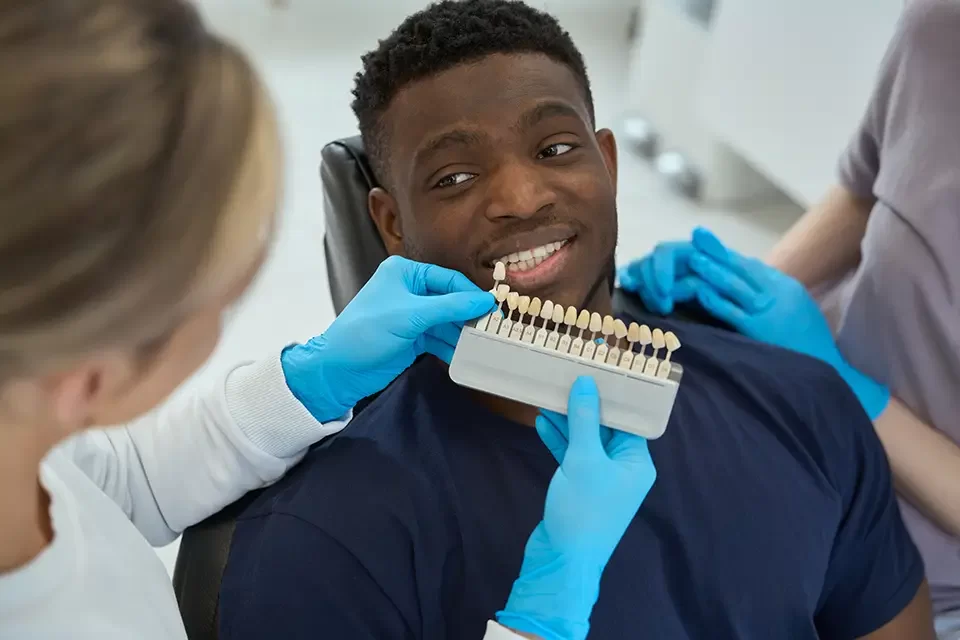
Porcelain veneers are ultra-thin, custom ceramic shells bonded to the front of your teeth to refine colour, length, and alignment. At Ardent Sidcup Dental Clinic, your journey starts with a conversation and visuals—high-quality photos, digital scans, and a short “smile preview.” That preview isn’t marketing fluff; it’s how we test proportions and tooth lengths against your lips and face before we touch enamel.
How the process flows—simply and predictably
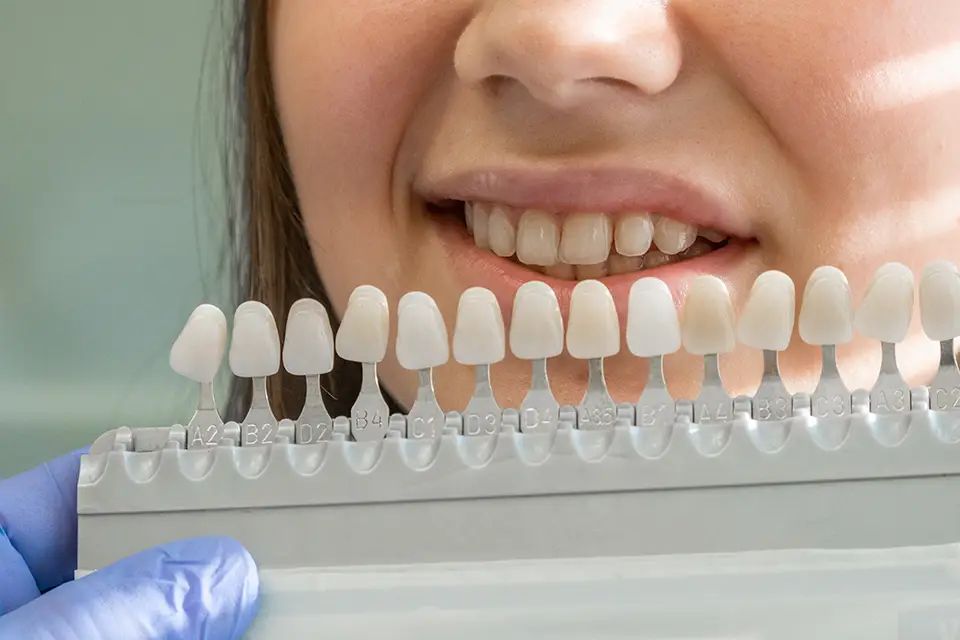
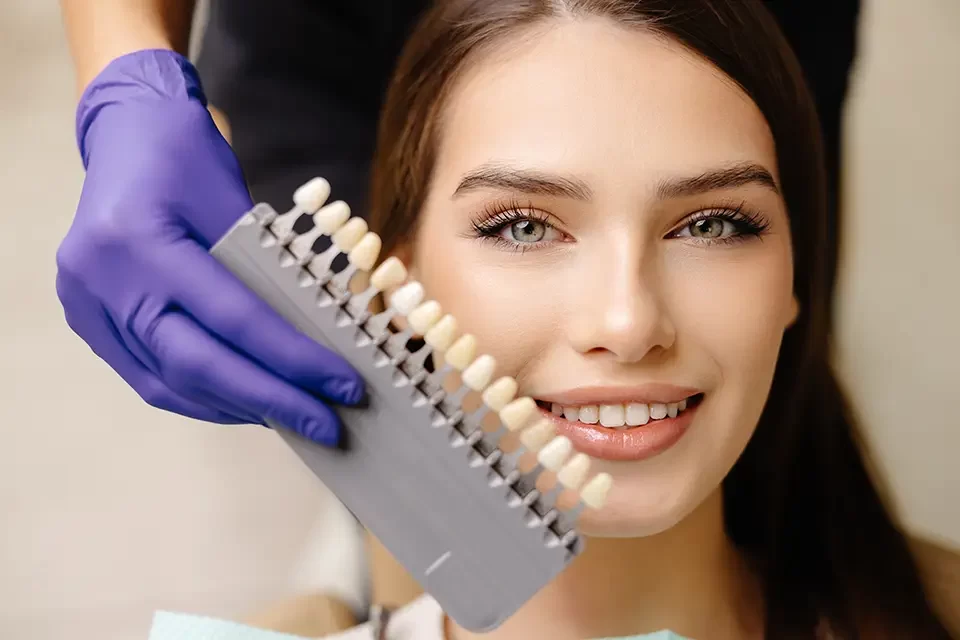
- Design you can react to: We agree on goals, review a digital mock-up, and shortlist shades that look believable in daylight.
- Minimal preparation: A hairline reduction of enamel (often <1 mm) creates space so the final porcelain veneers don’t look or feel bulky.
- Precision lab work: Your ceramics are either milled or hand-layered to mimic enamel’s translucency—slightly warmer at the gum, brighter toward the edge, with natural micro-texture.
- Try-in and bonding: You preview the look. Once approved, veneers are bonded with high-strength adhesives, margins are finished, and surfaces are polished so they blend seamlessly at the gumline.
Why does this look so natural? Ceramics used for porcelain veneers transmit and reflect light like enamel. We lean into that—subtle surface texture and shade gradation—so your smile reads as yours, not “one shade of white.”
Porcelain Veneers Pros & Cons
Every option asks for trade-offs. Here’s a balanced, real-world view to help you decide.
Pros
- Natural optics: Modern ceramics capture translucency and fine texture, avoiding the flat, opaque look.
- Colour stability: Porcelain resists staining from coffee, tea, and red wine better than resin bonding.
- Durability: With good care, porcelain veneers commonly last a decade or more.
- Custom symmetry: We can fine-tune length, width, and edge shape to bring your smile line together and close small gaps.
Cons
- Irreversibility: Even minimal prep is still prep. Careful planning and a nightguard (if you grind) protect your investment.
- Higher upfront cost: You’re paying for lab artistry, premium ceramics, and precise bonding.
- Repairs require expertise: Chips are uncommon; when they happen, matching ceramic and shade takes skill.
Where “types of veneers” fit
When people ask about types of veneers, they usually mean porcelain veneers vs. composite (bonded) veneers. Composite is sculpted chairside in a single visit and costs less, but it can stain and may need earlier refreshes. Porcelain costs more upfront yet typically wins on stain resistance, lifelike light behaviour, and longevity. Many patients start conservatively—whitening and small bonding—then choose porcelain only where it truly pays off.
Best Candidates for Porcelain Veneers
You don’t need a “Hollywood” goal to benefit. Porcelain veneers are ideal if you want real-life, camera-friendly improvements without complicated orthodontics.
You’re likely a strong candidate if you have:
- Chips, edge wear, or uneven lengths that make teeth look short or tired
- Intrinsic discolouration (tetracycline, fluorosis) that whitening alone won’t shift
- Small gaps or mild misalignment where braces or long aligner plans aren’t your preference
- Old bonding that’s stained or dull at the edges
- Healthy gums and a stable bite, so veneers aren’t stressed by inflammation or grinding
Who might need a different sequence first? If gums are inflamed, we stabilise them. If teeth are significantly crowded or rotated, a short aligner plan can set a better foundation so porcelain veneers stay minimal—and look more natural. Heavy grinders still qualify; we simply bake a protective nightguard into the plan from day one.
Porcelain Veneers Cost
There isn’t a single number for porcelain veneers, because a few real-world factors move the fee—and your result.
What shapes the fee
- How many teeth: A single standout tooth vs. a full smile zone (often 6–10 teeth) changes design time and lab work.
- Ceramic and lab artistry: Hand-layered ceramics with lifelike translucency and micro-texture command higher fees but deliver that “is it real?” look.
- Complexity: Dark underlying shade, existing edge wear, or uneven gums may add steps—trial smiles, gum contouring, or staged whitening.
- Clinician expertise & chair time: Minimal-prep design and exact bonding are skill-based; they show in how natural your porcelain veneers appear and how long they last.
- Location specifics (Sidcup): Local laboratory partnerships, appointment length, and overheads influence pricing.
At Ardent Sidcup Dental Clinic, we provide an itemised plan after assessment: per-tooth fee, any preparatory steps (whitening or brief aligner treatment), timing, and optional add-ons like a nightguard. Prefer to stage care—two or four porcelain veneers now, more later? We’ll map shade strategy and tooth selection so the smile evolves smoothly and stays consistent.
Porcelain isn’t just a “nicer white.” The value is in minimal drilling, lifelike light behaviour, stable colour, and a design that respects your bite. When those boxes are ticked, porcelain veneers become a long-term, low-maintenance upgrade rather than a quick cosmetic fix.
Conclusion
When planned carefully, porcelain veneers don’t shout; they whisper. They brighten, balance, and refine while still looking like your own teeth. Pair a stable bite with healthy gums and straightforward maintenance, and porcelain veneers become a long-lasting upgrade that feels effortless every morning.
If you’re ready to explore options, book a consultation with Ardent Sidcup Dental Clinic. We’ll show you previews you can react to, discuss materials you can see and feel, and outline two or three credible routes—conservative to comprehensive—so you can choose the smile that fits your face, your calendar, and your budget.