
Some smiles need a small, precise change rather than a full overhaul. That is where composite veneers make sense. In many cases, they can be designed, placed, and polished in a single appointment—reshaping edges, masking deeper stains, and softening minor gaps while keeping natural enamel largely intact.
For patients comparing options for dental veneers in Sidcup, this treatment sits between speed and stability: quick enough to see a difference right away, careful enough to keep future options open. The aim here is simple—explain how composite veneers are planned and placed, where they perform best, what trade-offs to expect, who tends to benefit most, and how fees are determined—so your decision is based on clear, useful information.
What are Composite Veneers?
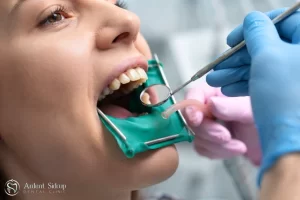
Composite veneers are ultra-thin layers of tooth-coloured resin sculpted directly onto the front surface of the teeth. At Ardent Sidcup Dental Clinic, a clinician isolates each tooth, prepares the enamel conservatively, applies an adhesive system, and then builds the veneer in fine layers. Each increment is light-cured to set the shape, then refined to the contour and surface texture that suits your bite and smile line. Shade and translucency are chosen chairside, so the final colour harmonises with neighbouring teeth rather than looking uniform or “flat.”
Two practical points matter. First, composite veneers usually involve only micro-roughening of enamel to improve bonding, far less reduction than typical ceramic preparation. Second, because the work is done directly, small decisions (edge length, surface texture, brightness) can be tested and adjusted before you leave. If a canine reads slightly sharp or a central incisor would benefit from another half-millimetre of length, those refinements happen in real time.

Composite Veneers Pros & Cons
Choosing between types of veneers is really a conversation about priorities: immediacy and reversibility on one side; ultimate longevity and colour stability on the other. Composite veneers live on the “agile and conservative” end of that spectrum.
Where composite veneers shine
- Single-visit transformation: Many smile-zone cases (four to eight teeth) are completed in one appointment, keeping disruption low and results visible straight away.
- Conservative enamel management: Minimal drilling preserves natural structure and often reduces postoperative sensitivity.
- Adjustable and repairable: Minor chips, margin wear, or a shade tweak can usually be corrected without replacing the entire veneer.
- Cost-accessible aesthetics: Compared with porcelain, composite veneers typically carry a lower upfront fee per tooth, making phased treatment realistic.
Where you trade a little
- Surface and shade stability: Modern composites resist staining better than older generations, but they are still resin. Over time, coffee, tea, red wine, and strongly pigmented foods can soften the gloss; periodic repolishing restores it.
- Wear resistance: Resin is softer than ceramic. Edge chipping or micro-wear is possible, especially with parafunction (clenching, nail biting). A tailored nightguard addresses most of this.
- Longevity window: With maintenance, most patients can expect several years of service from composite veneers; porcelain, by design, aims longer.
If you value maximum, long-term colour stability and are comfortable with laboratory timelines and higher fees, porcelain remains the benchmark. If you want meaningful improvement now—with control, flexibility, and a lighter touch on the tooth—composite veneers are a clinically sound choice.
Best Candidates for Composite Veneers
The ideal profile is less about age and more about goals, enamel health, and bite behaviour. You are likely a good candidate for composite veneers if one or more of the following apply:
- Localised aesthetic concerns: Small chips, worn incisal edges, patchy discolouration, or minor asymmetry tend to respond well.
- Modest spacing: Diastemas or small black triangles can be softened through strategic contouring without orthodontics.
- Healthy enamel: Intact surfaces allow predictable bonding with conservative preparation.
- Preference for a reversible-leaning plan: Because composite veneers preserve structure and can be adjusted or replaced, they suit staged care—for example, whitening first, then veneering only teeth that still need masking.
- Willingness to maintain: Twice-daily brushing, interdental cleaning, a mindful diet, and periodic polishing keep the outcome steady.
Bite dynamics still matter. If you clench or grind, we plan contacts and guidance carefully and recommend a protective nightguard. That single habit change markedly reduces chipping risk for composite veneers while preserving the crisp finish.

Composite Veneers Cost
Fees reflect clinical time, case complexity, and the number of teeth treated. As a guide only, single-tooth composite veneers often start in the region of £250–£450 per tooth; broader smile-zone work may sit above or below that band depending on scope. Your written plan will set out:
- Number of units: Two front teeth feel different from an eight-tooth smile line; planning and finishing time scale accordingly.
- Shade strategy: If whitening precedes composite veneers, we match resin to the new baseline; characterisation (translucent halos, faint white lines) adds realism and time.
- Complexity of correction: Closing spaces, refining width-to-length ratios, or rebuilding worn edges takes longer than masking a single stain.
- Finishing and follow-up: High-gloss polishing and scheduled repolishing visits are built into maintaining that “fresh” look.
These figures are estimates. Actual costs vary by factors such as starting enamel condition, bite forces, habits (e.g., nail biting), and whether additional care—like gentle gum contouring or minor orthodontics—is advised to support a long-lasting result. You will always receive an itemised estimate before treatment begins.
Conclusion
For patients who want noticeable improvement without extensive tooth reduction, composite veneers offer a practical blend of speed, control, and cost. They refine edges, cover localised stains, and close modest gaps with a light clinical touch—and because they are straightforward to adjust and repair, upkeep stays manageable. If you are considering this option, contact Ardent Dental Clinic in Sidcup. We will assess your smile, outline timelines and fees, and help you decide whether composite veneers align with your priorities—or whether a different pathway will better serve your long-term goals.