Back teeth do the heavy lifting every day—nuts, crusts, steaks, the works. When a molar goes missing, you notice it fast: chewing shifts to the other side, food gets trapped, and the bite can feel a little “off.” A molar tooth implant is built for this job. It replaces the root and the chewing surface, so the new tooth doesn’t wobble, loosen, or come out at night. If you’re comparing options and searching for dental implants in Sidcup, think of this as your plain-English guide. We’ll outline what the treatment involves, what it helps, and where the risks are, so you can make a confident, grounded choice.
Why Replace a Molar Tooth with an Implant?
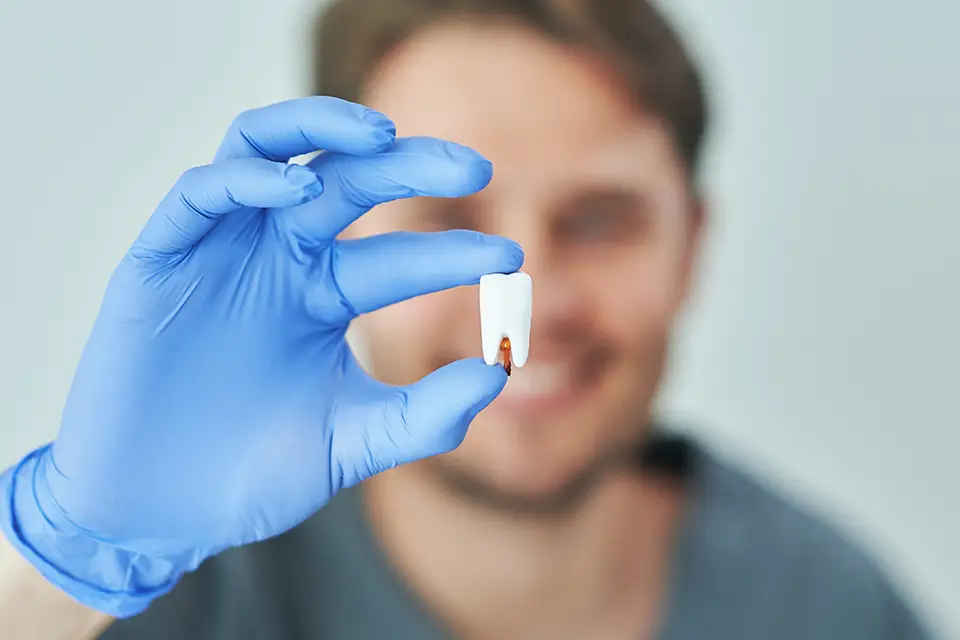
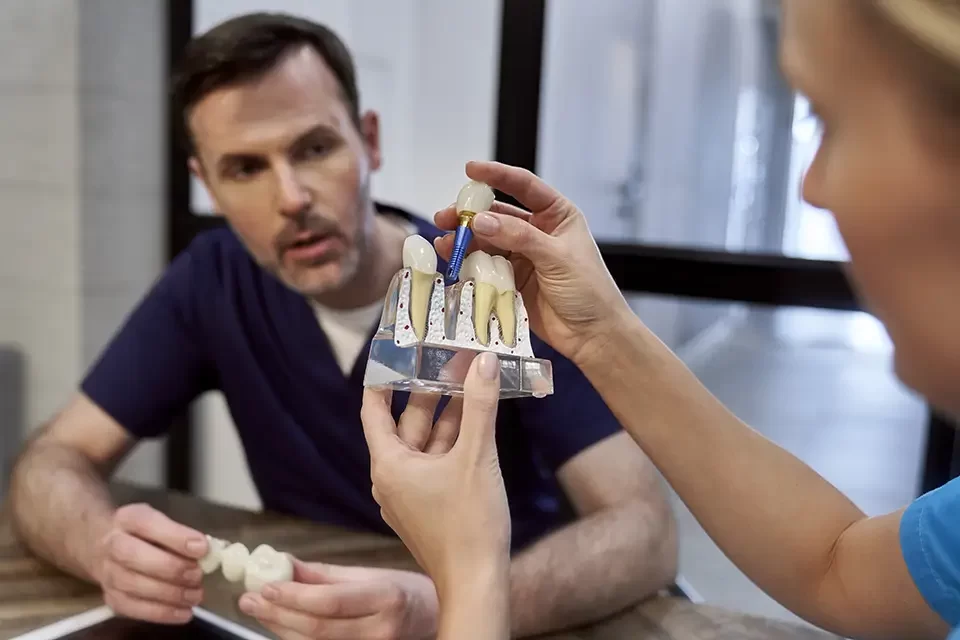
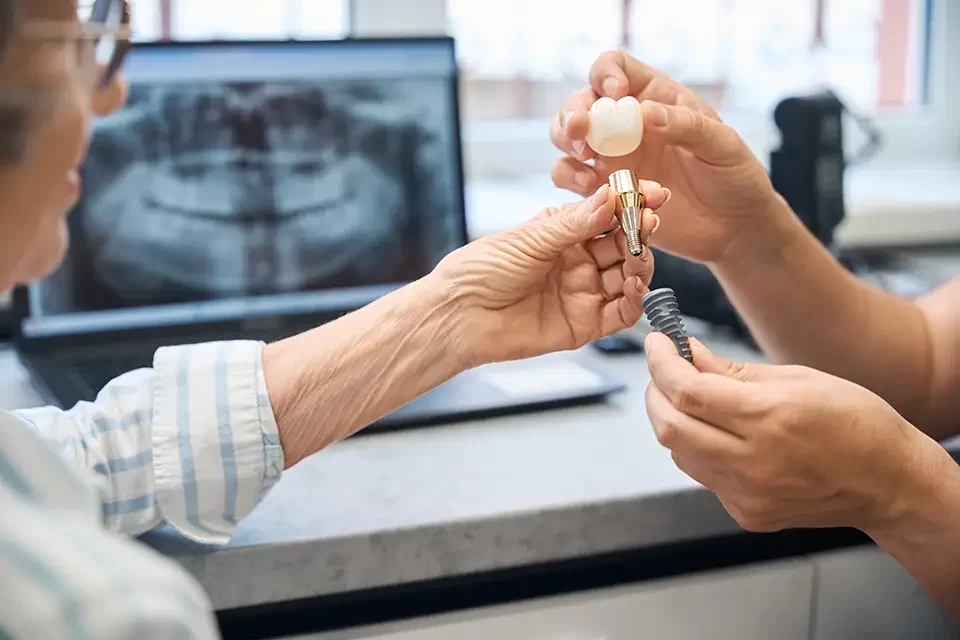
Molars aren’t just any teeth—they’re your power tools. Without one, the rest of your mouth has to compensate. Over time, neighbouring teeth can tilt, the opposing tooth can over-erupt into the gap, and chewing on one side may strain your jaw. A molar tooth implant puts strength back where it’s needed, without borrowing support from healthy neighbours. The implant fixture sits in the bone where the root once lived; after healing, a custom abutment and crown complete the tooth.
At Ardent Sidcup Dental Clinic, we start with a conversation and a scan, not a sales pitch. You’ll see a 3D picture of your jaw, we’ll check gum health and existing work, and we’ll look at your bite—how your teeth meet when you chew and speak. That planning matters because a molar tooth implant should carry force comfortably for years, not just look good on day one. The end result we’re aiming for is straightforward: a solid, natural-looking tooth that lets you eat normally again without favoured sides or careful menus.
Molar Tooth Implant Benefits
A well-planned molar tooth implant brings practical, day-to-day wins you feel at every meal:
- Chewing confidence: Back teeth take the biggest bite forces. An implant transfers those forces into bone, so you can use both sides again without babying your food.
- Bone preservation: After a tooth is lost, the surrounding bone slowly thins. A molar tooth implant helps stimulate and maintain that bone, which supports your facial structure, too.
- Independent repair: Bridges may require shaping healthy neighbouring teeth. An implant stands alone, leaving those teeth untouched.
- Familiar care: Brush and floss a molar tooth implant like a natural tooth—no soaking cups, no clasps, no special solutions.
- Long-term value: With routine hygiene visits, simple home care, and a balanced bite, a molar tooth implant can outlast alternatives and reduce the “repair-replace-repair” cycle.
- Balanced bite and comfort: Replacing the missing molar redistributes chewing loads and can lower strain on jaw joints and remaining teeth.
Most patients describe the best benefit this way: “I stopped thinking about it.” That quiet reliability is exactly what we want.
Molar Tooth Implant Side Effects
Every procedure comes with things to watch for. With a molar tooth implant, most are short-lived and manageable:
- Tenderness and swelling: Expect some for a few days after placement. Cold packs first, then warm compresses, plus approved pain relief, usually do the trick.
- Bruising or jaw stiffness: Lower molar sites involve chewing muscles; a little tightness when opening is common and fades as tissues settle.
- Bone grafting (when needed): Upper molars sit near the sinus; lower molars may have thinner ridges. If the bone is limited, grafting strengthens the site for a sturdier molar tooth implant. It adds healing time but pays off in stability.
- Bite adjustments: After the crown is fitted, tiny refinements ensure the implant doesn’t take more than its fair share of force. Skipping this can stress the implant or the opposing tooth.
- Health and habits: Smoking, uncontrolled diabetes, and night grinding raise risk. We may suggest a nightguard or phased timing to protect your result.
- Uncommon complications: Infection, mobility, or sinus irritation (for upper molars) are possible but rare. Quick review and treatment keep issues small.
Clear planning, careful technique, and diligent follow-up stack the odds in your favour. Your part—showing up for checks and keeping things clean—matters just as much.
Molar Tooth Implant Near Me
If you’re typing “molar tooth implant near me,” here’s how to choose wisely—and what to expect at Ardent Dental Clinic:
- Start with 3D imaging: A CBCT scan shows bone width and height, sinus or nerve positions, and the best angle for placement. A strong molar tooth implant lives where the future crown needs to function—not just where a 2D X-ray shows a gap.
- Design the crown first: Good clinics plan the chewing surface and contacts before surgery, then place the implant to support that ideal. It’s a small shift in thinking that prevents big headaches later.
- Ask for a written sequence and fees: Your plan should list each step—assessment, any extraction or grafting, implant placement, healing checks, abutment, crown, and follow-ups—with timelines and costs. Itemisation removes surprises.
- See similar cases: Ask for before-and-after photos of molar tooth implant cases like yours (upper vs lower, grafting vs none). Look for natural results under different lighting, not just studio images.
- Talk maintenance: You should leave with a simple routine—hygiene intervals, the right floss or interdental brushes, and nightguard advice if you clench.
That’s the roadmap we use every day. It keeps the process calm, the steps clear, and the result predictable.
Conclusion
Losing a molar changes how you eat, how your other teeth behave, and how your bite feels. A molar tooth implant restores strength where you need it most and helps the rest of your mouth behave like a team again. Success isn’t a single appointment; it’s a sequence—scan, plan, place, heal, restore, maintain. Follow that arc, and your new molar becomes a quiet part of everyday life: breakfast you can bite, dinners you don’t overthink, and snacks you enjoy without switching sides.
Curious whether a molar tooth implant is the right move for you? Book a consultation at Ardent Sidcup Dental Clinic. We’ll review your scan together, discuss options in plain language, and map a step-by-step plan—timelines, costs, and aftercare—for a molar tooth implant that looks natural and feels strong for the long haul.