If you feel a bit hesitant about committing to permanent cosmetic work, acrylic veneers can act as a gentle first step rather than a big leap. These thin acrylic covers are placed on the front surfaces of your teeth to soften the look of mild discolouration, small chips, or slightly uneven edges, helping you move towards a more confident smile without making an irreversible decision. Many people choose them when they want their teeth to look nicer for photos, work events, or family occasions.
For a lot of patients, acrylic veneers work like a realistic preview of future treatment. You can live with the new shape and shade in everyday life, then decide whether you want to move on to porcelain or composite later. This makes them appealing if you are looking for an affordable smile makeover and are comparing different veneers in Sidcup while you plan the best long-term approach with your dentist.
What Are Acrylic Veneers and How Do They Work?
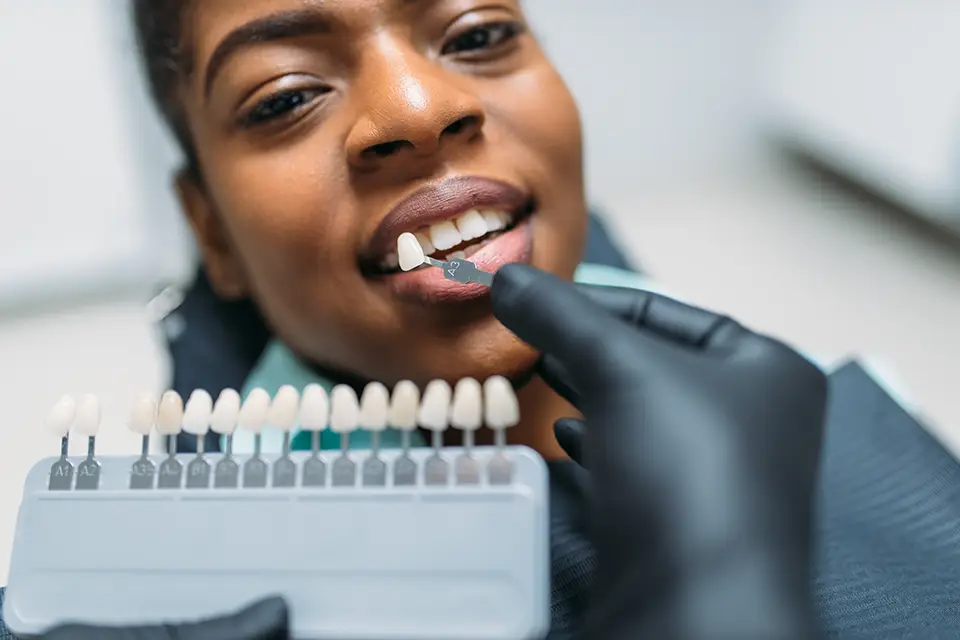
Put simply, acrylic veneers are slim covers made from tooth coloured acrylic that sit on the front of your teeth to improve their appearance. They are shaped to soften visible flaws such as uneven edges, light staining, or small chips, and can be designed as either removable clip-on shells or temporary veneers placed by your dentist.
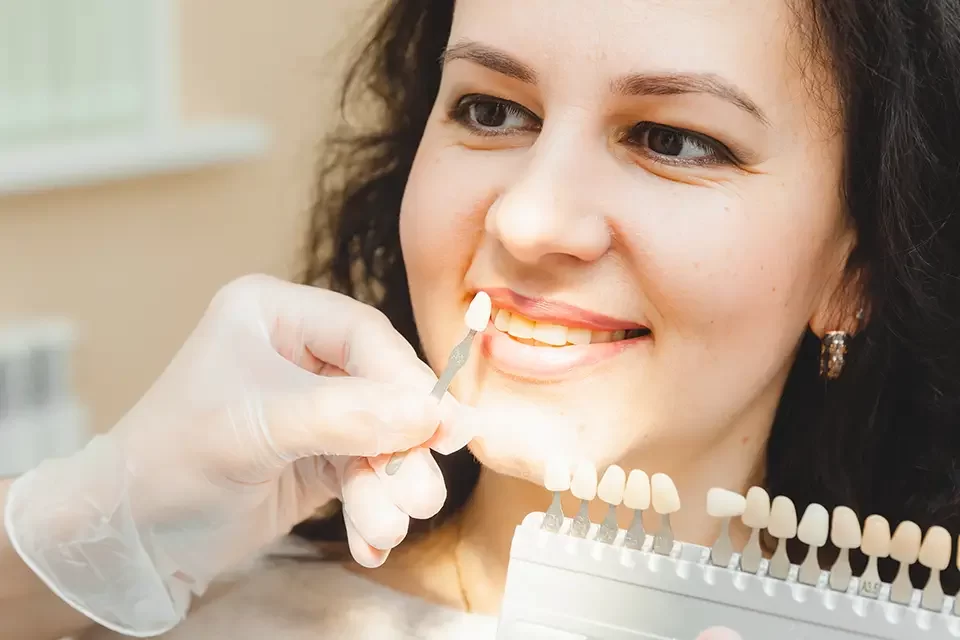
At your first visit, the dentist will examine your bite, discuss your goals, and take impressions or digital scans so the lab can make custom-fitted veneers. Once your acrylic veneers are ready, they are tried in, adjusted for comfort and shade, and then you are shown how to clean and wear them safely. If you attend a dental clinic in Sidcup, this process is usually straightforward and well supported.
Acrylic Veneers Vs Other Types of Veneers: Pros and Cons
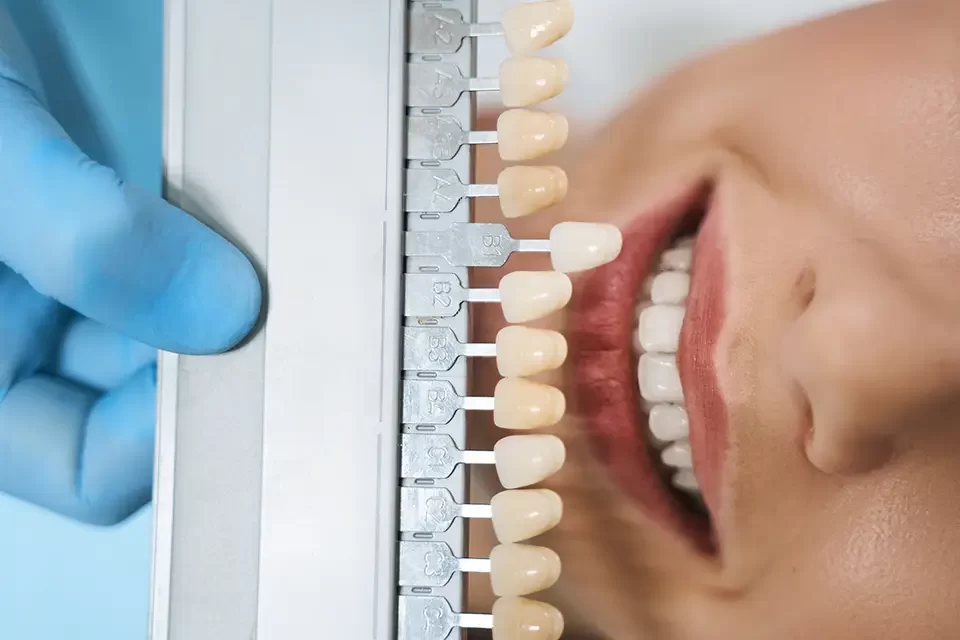
When people are weighing up acrylic veneers against porcelain or composite options, the question is usually less about glamour and more about how they behave in real life. Acrylic sits in a different category. It is a lighter, more flexible material that can work well for a few years, while porcelain and composite are built with long-term everyday chewing in mind and usually involve a more permanent change to the teeth.
Pros of acrylic veneers
- Often the most affordable choice if you want several front teeth improved at the same time.
- Can be fitted with minimal drilling, which some patients find reassuring.
- Useful as a stepping stone while you plan orthodontics or implants.
- Repairs are usually quicker and cheaper if a chip appears.
Limitations compared with other veneers
- The surface can scratch and stain more easily, especially with tea, coffee, and smoking.
- They rarely last as long as porcelain veneers and may need replacing sooner.
- In more complex cases, other types of veneers can give a stronger and more stable result.
Who Is a Good Candidate for Acrylic Veneers?
In day-to-day practice, acrylic veneers are usually suggested for people who want a nicer smile but are not ready to change their teeth permanently. Your dentist will first check that your gums are healthy and stable, and that you understand what this temporary option can and cannot do.
- People with mild cosmetic concerns, such as light staining, small chips, or slightly crooked edges on the front teeth.
- Patients looking for a budget-friendly cosmetic fix while they plan porcelain or other longer-term care.
- Anyone who prefers a reversible treatment, using acrylic veneers as a trial run before permanent veneers.
- Patients with good brushing and flossing habits who are willing to attend regular reviews so the veneers and natural teeth stay in good condition.
Acrylic Veneers Cost in the UK and Sidcup: What Affects the Price?
When people ask about acrylic veneers, they are often trying to work out whether this option will fit comfortably within their budget. In the UK, and in Sidcup specifically, there is no single fixed fee. The treatment cost is usually quoted per tooth and reflects the time your dentist spends planning your case as well as the quality of the laboratory work behind your new smile.
Several details influence the final fee for acrylic veneers, including the number of teeth treated, whether the veneers are removable or temporarily bonded, and any extra steps such as whitening or reshaping before they are fitted. The most reliable way to know your own figure is to arrange a short consultation so your dentist can examine your bite and provide a clear, personalized estimate.
Acrylic Veneers at Ardent Sidcup Dental Clinic: What to Expect
At Ardent Sidcup Dental Clinic, the discussion around acrylic veneers usually begins with a simple conversation rather than a rushed checklist. Your dentist will ask what bothers you most about your teeth, examine your gums and bite, and use photos or digital scans to plan a smile that looks natural on your face.
If you decide to go ahead, impressions are sent to a trusted lab and a fitting visit is booked at Sidcup. At this appointment, your acrylic veneers are tried in, adjusted until they feel comfortable to wear, and you are given clear, written home care guidance so you know exactly how to look after them.
Are Acrylic Veneers Right for You? Book a Consultation in Sidcup
Choosing acrylic veneers is rarely just about cost or appearance. It is about whether this temporary option suits your lifestyle, how you feel about reversible treatment, and how long you want the result to last. A short, focused appointment in Sidcup gives you time to ask specific questions about staining, likely lifespan, and how acrylic compares with porcelain or composite in your situation. Your dentist can examine your bite, review any existing dental work, and outline clear alternatives so you can decide with confidence. If you would like tailored advice, you can book a consultation at Ardent Sidcup Dental Clinic.
FAQs
How long do acrylic veneers usually last?
For most patients, acrylic veneers are a short to medium-term solution rather than a lifelong fix. With careful brushing and regular check-ups, they might last anywhere from one to several years. If you grind your teeth or bite on hard objects, your dentist may suggest a night guard to help protect them.
Can I eat normally while wearing acrylic veneers?
You can eat most everyday foods with acrylic veneers, but it is sensible to treat them with a little care. Avoid biting directly on very hard items and be cautious with sticky snacks that could pull at the edges. Tea, coffee, and red wine can mark the surface more quickly, so rinsing with water after drinks is a helpful habit.
How do I look after acrylic veneers at home?
Cleaning acrylic veneers is similar to caring for your natural teeth. Use a soft toothbrush, non-abrasive toothpaste, and fluoride mouthwash if recommended. Try not to use whitening pastes on the veneers themselves, as they may scratch the acrylic and make staining more likely over time.