Many people only hear about bone loss when they ask about implants, and that can feel like the plan has suddenly hit a wall. Guided bone regeneration is often the next step when the jawbone is too thin or uneven to hold an implant securely. It is designed to rebuild bone in a controlled way, so your implant can be placed in the right position rather than wherever the remaining bone allows.
At a dental clinic in Sidcup, the starting point is a proper assessment, including a close look at gum health and, when needed, scan-based measurements of bone volume. With guided bone regeneration, your dentist can explain what is achievable, how long healing may take, and what choices affect comfort and cost, so you can make a clear decision with fewer surprises.
What Is Guided Bone Regeneration (GBR)?
When a tooth has been missing for a while, the jawbone in that area can shrink, leaving too little support for an implant. Guided bone regeneration (GBR) is the method dentists use to rebuild the lost bone in a controlled way. A graft material is placed where bone is deficient, then a thin membrane is positioned over it to protect the healing space. This barrier helps bone cells repopulate the area while discouraging the gum tissue from filling the site too quickly, which is a common reason bone does not regain its full volume.
GBR may involve a bone graft, but the defining feature is the membrane and careful closure. In guided bone regeneration, that protection is what supports steadier bone formation and better implant readiness once healing is complete.
Why Guided Bone Regeneration Is Recommended Before Dental Implants
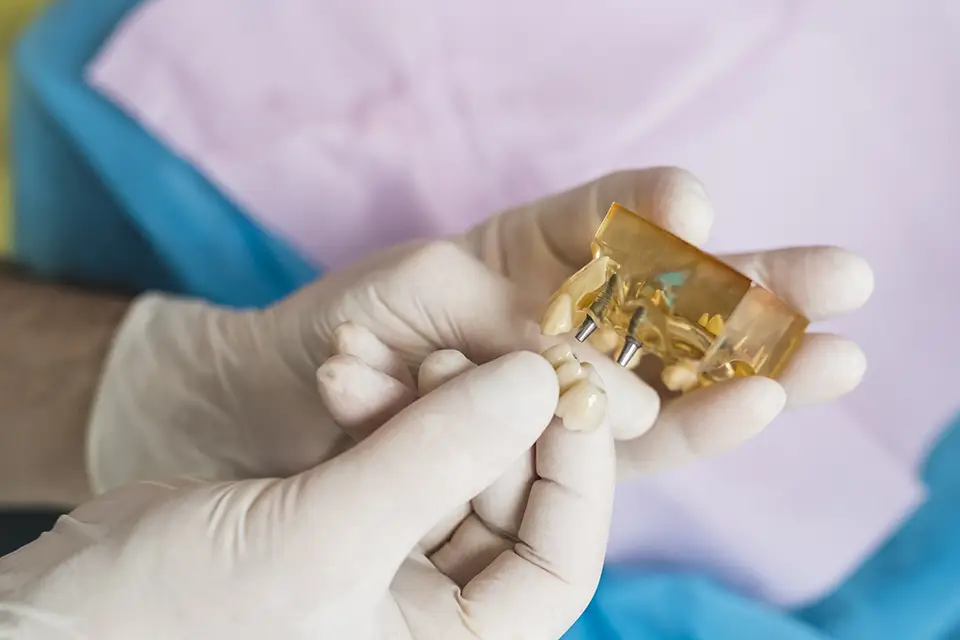
If an implant is placed into thin or damaged bone, it may end up in a compromised position or fail to integrate properly. Guided bone regeneration is recommended first to rebuild the site so the implant can be placed with better stability and a more natural angle for chewing and cleaning. For patients, this often means fewer surprises later, because the treatment plan is designed around a stronger foundation instead of trying to “make do” with whatever bone is left.
Guided Bone Regeneration Procedure: Step-By-Step
A guided bone regeneration appointment is planned around your specific bone defect, so the implant can be placed on a stronger foundation later.
- Assessment and planning: clinical exam and, when appropriate, 3D imaging to confirm bone volume and decide the safest implant position.
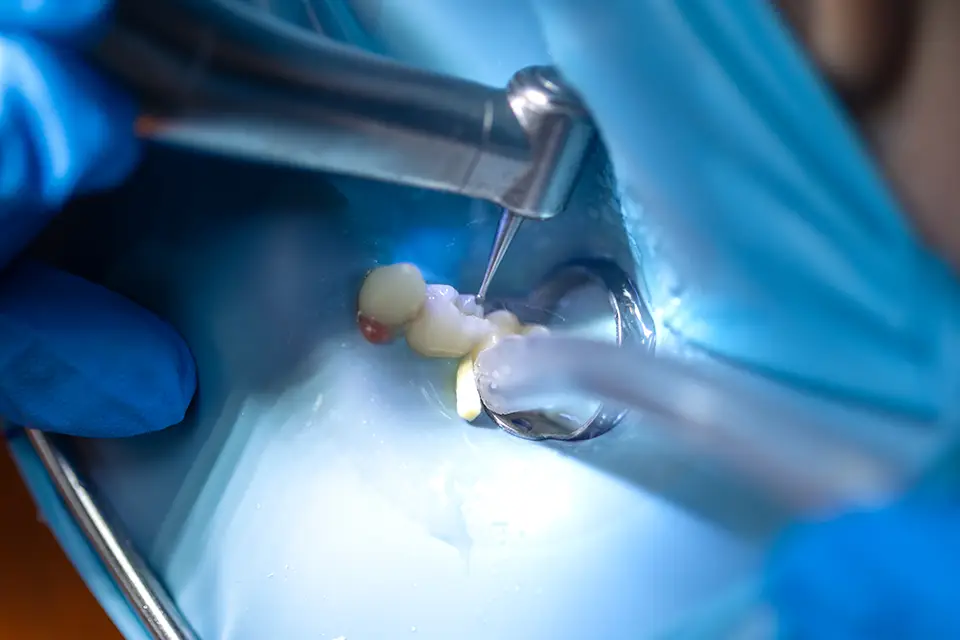
- Anesthetic and preparation: the area is numbed, then the gum is gently opened, and the site is cleaned for stable healing.
- Graft placement: graft material is placed to rebuild the thin or missing area in a controlled way.
- Membrane protection: a barrier membrane covers the graft to protect the space while bone forms, which is central to guided bone regeneration.
- Closure and follow-ups: the gum is closed carefully, and review visits check early healing and confirm when the site is ready for implant placement after guided bone regeneration.
Guided Bone Regeneration Healing Time and Recovery
In the first few days after guided bone regeneration, it is normal to have some swelling, tenderness, and a tight feeling in the gum. Stick to softer foods, keep the area clean as advised, and avoid poking the site, because protecting early healing is the priority.
Most cases need roughly 3 to 6 months for the new bone to mature, but the timing varies with the size of the defect, your health, and whether you smoke. If pain starts getting worse instead of better, or you notice persistent bleeding, fever, or an unpleasant taste, contact your dentist promptly.
Guided Bone Regeneration Before and After: Realistic Results
Before treatment, the implant site may be too narrow or uneven to support a secure implant, even if the gum looks normal. After guided bone regeneration, the goal is improved bone volume that allows a more stable, well-positioned implant plan. Your dentist confirms the result by checking tissue health and, when needed, imaging, so you have clear implant readiness rather than guesswork.
Guided Bone Regeneration Candidates: Who Is It for?
Guided bone regeneration is most often recommended for people who want dental implants but have lost jawbone from extraction, long-term missing teeth, infection, or gum disease. You may be a good candidate if an assessment shows the implant site is too thin for predictable support, or if the bone shape would force an implant into a poor position.
Your dentist will also check factors that affect healing quality, such as smoking, uncontrolled diabetes, or active gum problems, and may suggest pre-treatment optimization before starting.

Guided Bone Regeneration Cost in the UK
In the UK, guided bone regeneration often begins from around £1,200+, but it is not a one-price procedure. The total can change depending on how much bone needs rebuilding, the type of graft and membrane your dentist selects, and whether more than one area is involved. Your consultation, including any necessary imaging, is what turns that estimate into a clear written quote. It also clarifies what the fee covers, from materials to reviews, before you decide.
Ready for the Next Step? Get a Clear Implant Plan in Sidcup
Guided bone regeneration can turn “not enough bone” into a workable implant plan, without cutting corners on stability. The sensible next move is a proper assessment with the right imaging, so you know exactly what is needed, how long healing may take, and what the costs are likely to include.
Book a consultation with Ardent Sidcup Dental Clinic to get straight answers and a plan tailored to your mouth, not a generic estimate. You can find us at 150 Halfway St, Sidcup DA15 8DG, and arrange an appointment through our website.
FAQs
Is guided bone regeneration painful?
Most patients describe pressure rather than sharp pain during treatment because the area is numbed. Afterwards, soreness is usually manageable with prescribed advice, and protecting early healing makes a noticeable difference to comfort.
Can guided bone regeneration be done at the same time as an implant?
Sometimes, yes. If the defect is small and the implant can still achieve primary stability, your dentist may combine procedures. Larger defects often heal better with a staged approach, based on scan findings.
What can I eat after guided bone regeneration?
Plan for softer foods at first and avoid chewing directly on the treated side. Hot, crunchy, or sticky foods can disturb tissue closure, especially in the first week.
What reduces the success of guided bone regeneration?
Smoking, uncontrolled diabetes, and active gum disease can slow healing. Good oral hygiene and follow-up visits support predictable bone formation and help your dentist spot problems early.