Many people ask about Lumineers when they want a fresher, brighter smile without having their teeth heavily drilled. Instead of reshaping the whole tooth, Lumineers are ultra-thin porcelain coverings that sit over the front surface to refine colour and contour in a gentle way. At Ardent Sidcup Dental Clinic, your dentist looks at your bite, enamel, and smile line before recommending Lumineers so that the result feels natural and comfortable in everyday life.
If you are weighing up Lumineers against other options, such as veneers in Sidcup, you will want clear information rather than marketing promises. This article explains how they are fitted, which cosmetic concerns they can realistically improve, and when a different veneer type may be more suitable. You will also find practical details about expected longevity, aftercare, and typical cost, so you can make a confident decision about the next step for your smile.
What Are Lumineers and How Do They Work?
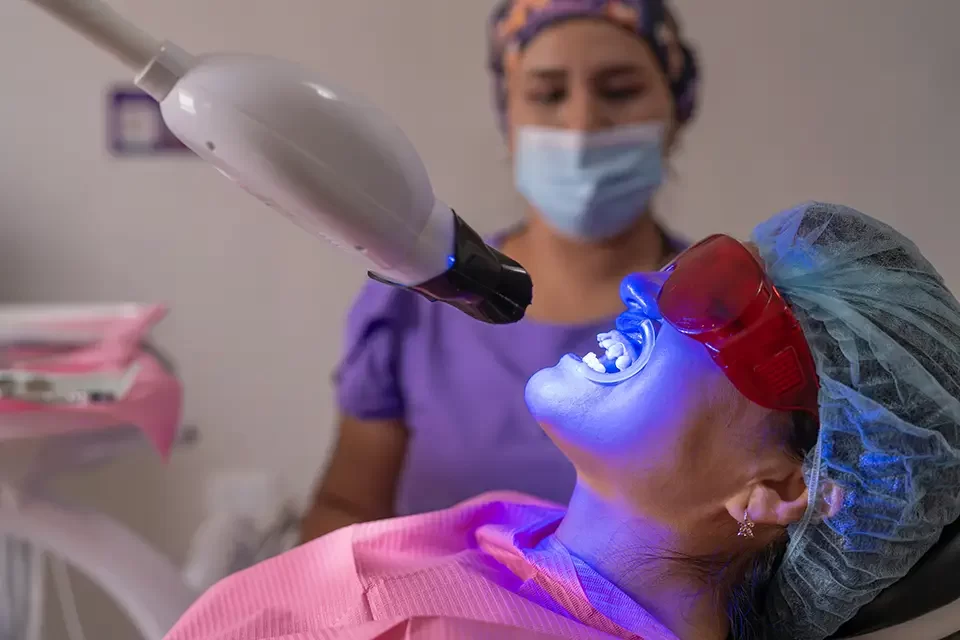
Lumineers are a specific type of no-prep veneer made from a patented Cerinate porcelain that is extremely thin yet strong. Instead of shaving away significant enamel, the dentist usually needs little or no tooth reduction before placing them. The porcelain shells are designed to sit closely against the natural tooth so that the final result looks like a natural tooth surface rather than a bulky covering. At a trusted dental clinic in Sidcup, your dentist will check that your enamel and bite are suitable before treatment.
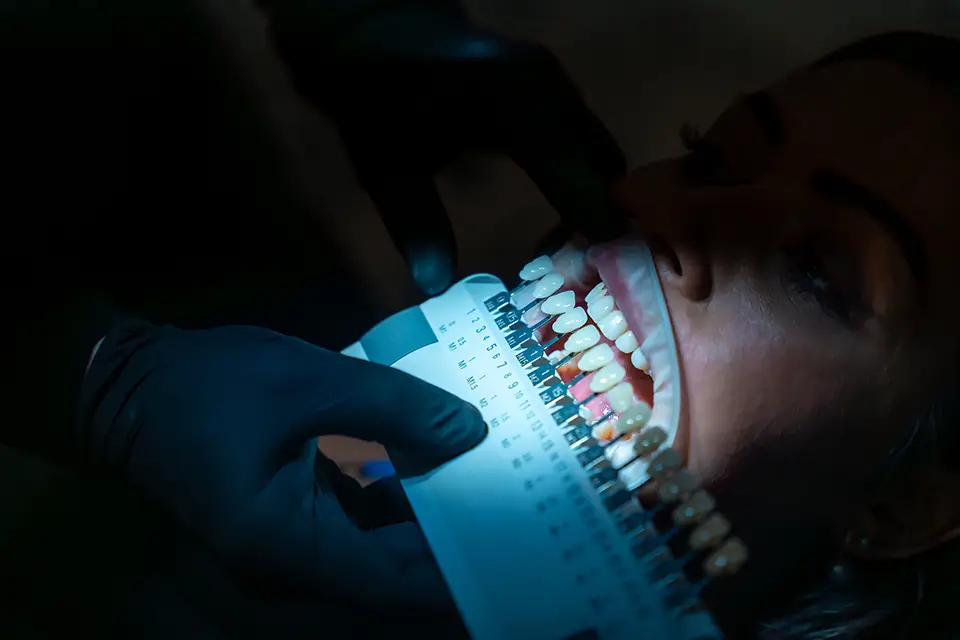
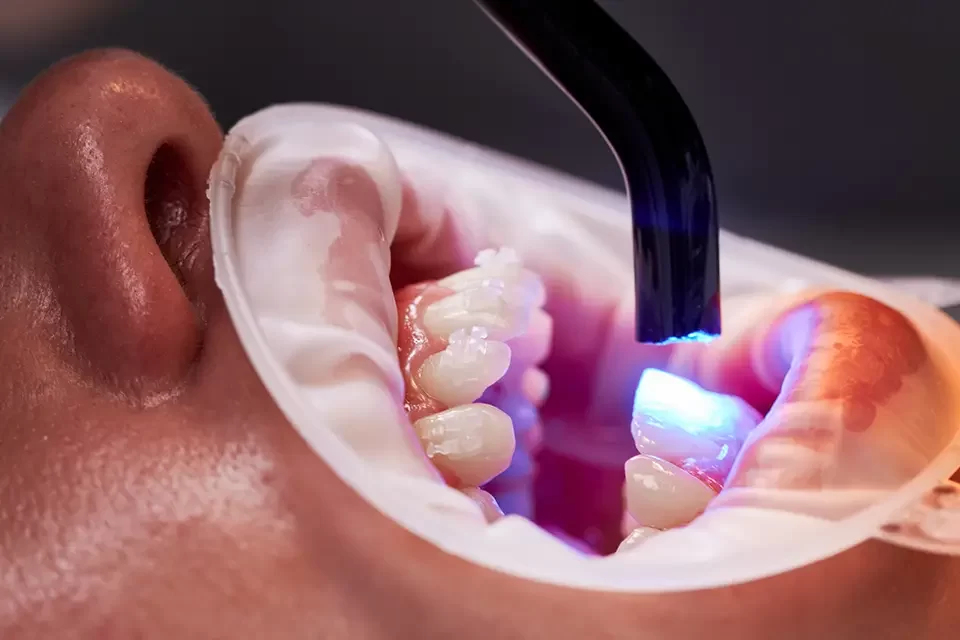
The procedure normally involves two main visits. At the first appointment, your dentist records photographs, digital scans, and bite information, then works with the laboratory to design your new smile. At the second visit, the custom-made Lumineers are tried in, small adjustments are made, and each shell is bonded with a high-strength adhesive. This careful bonding process helps the veneers feel secure and smooth when you talk, eat, and clean your teeth.
Lumineers vs Traditional Veneers: What’s the Difference?
When people start exploring cosmetic options, they often want to know how Lumineers really compare with traditional porcelain veneers. Both treatments cover the front surface of the tooth, yet they are chosen for slightly different reasons and can give different levels of change to the final smile line.
- Lumineers: These are very slim ceramic coverings that usually need only light refinement of the tooth surface. Lumineers are often selected when someone is broadly happy with their tooth position but wants to brighten the colour and edges or tidy small gaps with a conservative approach.
- Traditional veneers: These restorations are shaped to create more space for porcelain and can be useful where teeth are badly stained, heavily worn, or need greater reshaping. Your dentist may suggest other types of veneers if they alone cannot deliver the coverage or strength required.
Lumineers Pros and Cons: Is It the Right Option for You?
Before you commit to them, it helps to consider both the advantages and limitations so you can make a confident choice rather than a rushed cosmetic decision.
- Pros of Lumineers:
- Usually involves minimal enamel removal, which helps preserve natural tooth structure.
- Treatment is generally comfortable and quick, with short chair time once your case is planned.
- The thin porcelain can give a natural translucency that blends well with neighbouring teeth.
- In suitable cases, they may be easier to revise or replace in future treatment plans.
- Cons of Lumineers:
- Lumineers may not fully mask very dark teeth or severe discolouration.
- They are less suitable where teeth are badly worn, twisted, or crowded.
- As with any veneer, chips or debonding can occur if you grind your teeth or bite complex objects.
- Unrealistic expectations about colour or shape can leave patients disappointed, so precise planning with your dentist is essential.
Who Is the Best Candidate for Lumineers?
The best candidate for Lumineers is usually someone with mild to moderate cosmetic concerns rather than major structural problems. Ideal patients have healthy enamel and gums, no untreated decay, and front teeth that are broadly in the right position. Small gaps, minor chipping, and slight uneven edges often respond very well to Lumineers when the bite is carefully assessed.
You may be a good fit for them if you maintain excellent oral hygiene and want a conservative option that avoids heavy drilling. People with realistic expectations about colour, shape, and longevity tend to be happiest with the result. During a detailed cosmetic consultation, your dentist will also check for clenching or grinding and may recommend a night guard to protect your new smile.
Lumineers Cost in the UK and Sidcup
When researching Lumineers costs, it is normal to find a wide price range across clinics in the UK. Fees depend on the number of teeth treated, the complexity of your bite, the materials used, and the experience of the cosmetic dentist providing Lumineers in Sidcup or elsewhere.
At Ardent Sidcup Dental Clinic, the costis discussed in a clear written plan before treatment begins. You can also explore whether whitening, contouring, or traditional veneers might give similar results at a different price point. A face-to-face consultation appointment is the safest way to receive an accurate figure tailored to your own smile.
Thinking about improving your smile with Lumineers in Sidcup, but not sure what to expect? At our dental clinic in Sidcup, your dentist will examine tooth colour, enamel thickness, your bite, and how your teeth show when you speak. You will then discuss whether Lumineers or another veneer option suits you best. The aim is a clear written plan and a friendly consultation that focuses on your individual goals rather than a one-size-fits-all approach.
FAQs
Are Lumineers painful?
Most patients report only minimal discomfort. The teeth usually need little reshaping, and many cases can be completed with very light polishing. If you are nervous, your dentist can use a local anesthetic to keep the visit comfortable.
Can Lumineers stain or change colour?
Their ceramic surface is resistant to typical food and drink stains. However, the natural teeth around them can still darken over time. Using non-abrasive toothpaste and attending hygienist appointments helps keep the whole smile bright.