If you’ve been scrolling before-and-after photos and thinking your smile could use a confident, long-lasting refresh, zirconia veneers might be the upgrade you’re looking for. They’re built for real life—coffee, meetings, late-night pizza, the occasional clench during a tight deadline—without giving up a natural look. At Ardent Sidcup Dental Clinic, we approach veneers with equal parts design and engineering: how they’ll look up close, how they’ll carry bite forces, and how they’ll age in your everyday routine. This guide keeps things practical. We’ll explain what zirconia veneers are, how treatment unfolds from the first scan to the final polish, where zirconia truly shines (and where it doesn’t), who tends to benefit most, and what 2025 prices typically look like with budgeting options. If you’re weighing veneers in Sidcup, consider this your plain-English starting point—calm, detailed, and free of hype.
What Are Zirconia Veneers?
Zirconia veneers are thin, custom-milled shells of zirconium dioxide ceramic that bond to the front surfaces of your teeth to refine colour, shape, and symmetry. Modern zirconia formulations are remarkably strong yet more translucent than earlier generations, so they can look lifelike rather than flat or opaque—especially when crafted with layered characterisation. Compared with other veneer materials, zirconia veneers stands out for its durability and its ability to mask deeper underlying tooth colour without excessive thickness.
At our dental clinic in Sidcup, the process is stepwise and transparent:
- Smile Mapping & Planning: We begin with photos, digital scans, and a bite assessment. You’ll see your current tooth shapes alongside a preview of proposed length and contours. We discuss lifestyle (coffee, red wine, sports guards, grinding), so choices fit your real world—not a studio photo.
- Minimal Preparation (Only Where Needed): Many cases use an “additive” design that preserves enamel; others need 0.3–0.5 mm of reduction to make room for material and correct asymmetries. Enamel bonding is stronger than dentine bonding, so conservation matters for longevity.
- Temporaries You Can Test-Drive: Provisional veneers preview shape and length. You’ll notice how your lips sit at rest, how consonants sound, and whether edges feel comfortable. We tweak before anything is final.
- Laboratory Craftsmanship: Using your scans, the lab mills high-translucency zirconia, sinters it to density, and applies micro-texture and colour character to avoid that “one-shade-fits-all” look.
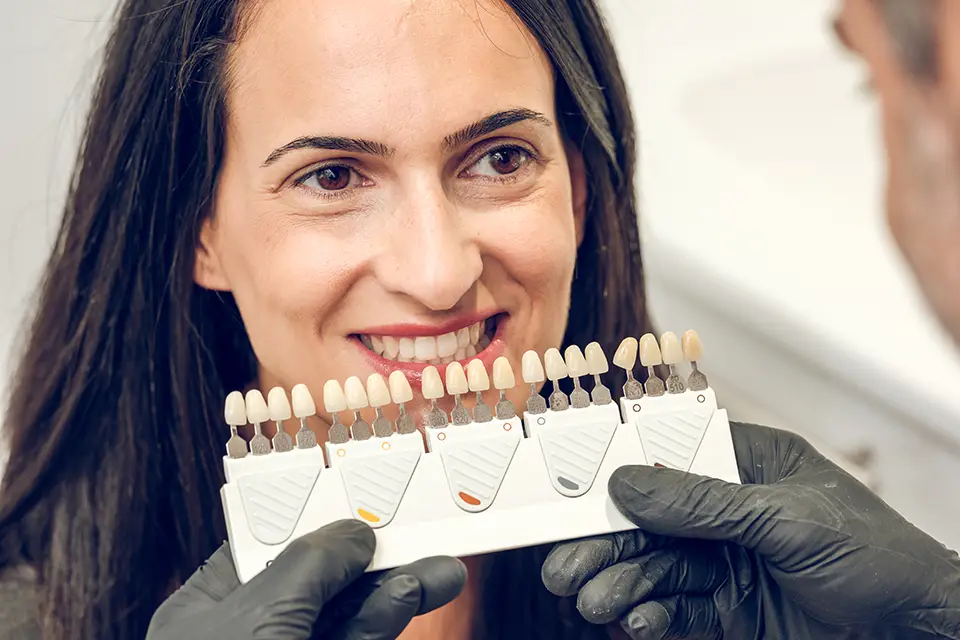
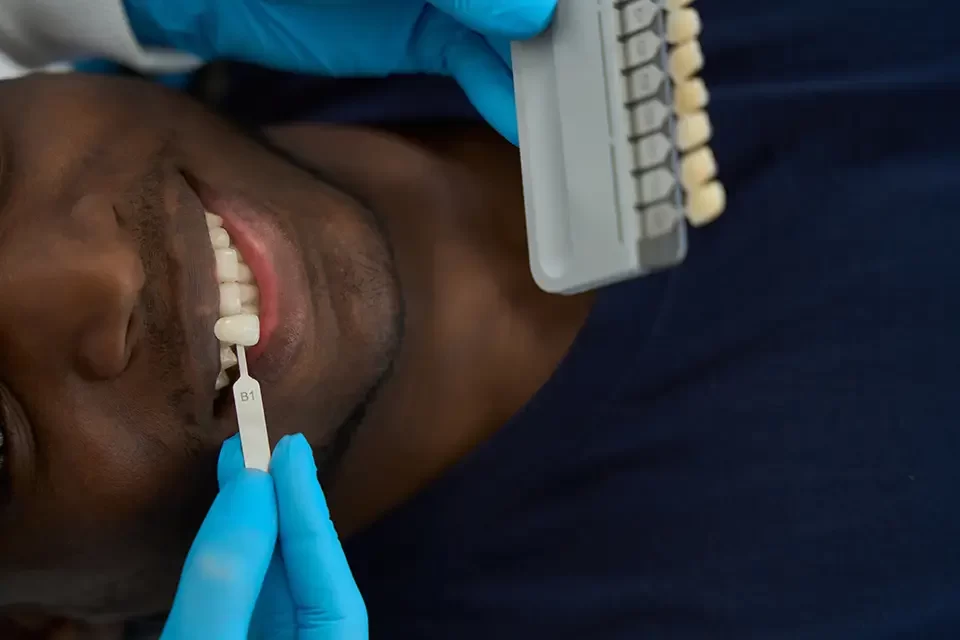
- Try-In & Bonding: We verify shade in natural light, evaluate margins under magnification, and bond with adhesive resin cement and MDP-based primers—the chemistry that helps zirconia hold fast over time.
- Protection & Review: Final polish, bite checks, and tailored after-care. If you clench or grind, we’ll fit a night guard to protect your new edges and your investment.
Why zirconia veneers work: high flexural strength, low porosity (so less staining), biocompatibility at the gumline, and reliable masking of dark substrates. It’s a sturdy canvas for a natural-looking smile.
Zirconia Veneers Pros & Cons
Every material brings trade-offs. Here’s a balanced view to help you compare across types of veneers.
Pros
- Exceptional Strength: Monolithic zirconia veneers tolerates heavy bite forces better than many glass-ceramics—ideal if you clench, chew firmly, or have visible wear facets.
- Stain Resistance: The dense, low-porosity surface resists everyday stains from tea, coffee, red wine, and tobacco, and it stays glossy with routine polishing.
- Colour Control: Strong masking power helps even out deep intrinsic discolouration (e.g., tetracycline bands, dark dentine) without making veneers bulky.
- Gum-Friendly Margins: Smooth margins are kinder to soft tissue; well-finished zirconia tends to accumulate less plaque and keeps the gumline calmer.
- Edge Durability: Thin incisal edges chip less readily when the bite is properly balanced and protected with a night guard if you grind.
Cons
- Translucency (Relative): High-translucency zirconia veneers looks natural, but for ultra-delicate incisal “glow,” layered glass-ceramics can still outshine it in certain lighting conditions.
- Higher Cost: Material and lab artistry typically raise fees compared with composite bonding or some feldspathic options.
- Technique Sensitive: Design, prep, and bonding must be meticulous. Poor isolation, rushed cementation, or unaddressed high spots can shorten lifespan.
- Repair Complexity: Minor surface chips can be polished or selectively bonded; larger fractures often require replacement rather than a quick chairside fix.
Bottom line: if you value longevity and uniform colour control, zirconia is a strong contender. If your priority is maximum translucency in a low-force bite, another ceramic might be discussed.
Best Candidates for Zirconia Veneers
Zirconia veneers aren’t “for everyone”—and that’s a good thing. Choosing well at the start is what creates years of quiet reliability.
Great matches
- Bruxism/Clenching: You want veneers that can handle nighttime grinding with a protective guard. Zirconia’s strength shines here.
- Heavy or Patchy Staining: When whitening can’t lift intrinsic colour evenly, zirconia’s masking helps deliver consistent shade across the smile.
- Edge Wear and Micro-Cracks: Short teeth or chipped edges benefit from a material that resists further chipping while restoring proper length.
- Mixed Restorations: If some teeth have old fillings and others don’t, full-coverage veneers can create a coherent colour and texture story.
Better to reconsider or stage first
- Severe Misalignment: Crowding, rotations, or crossbites are best addressed with orthodontics first to avoid excessive reduction. Veneers can then refine shape and colour.
- Aesthetic-Only With Near-Perfect Teeth: If alignment and shape are already ideal and you want a subtle luminance bump, minimal-prep porcelain or selective bonding might meet your goals with even less intervention.
- Unstable Gum or Enamel Health: Active periodontal inflammation or demineralisation needs stabilising first; healthy, still margins are non-negotiable for veneer success.
A quick reality check: the most successful cases blend design, biology, and bite. When those three agree, veneers look good and stay that way.
Zirconia Veneers Cost
Transparent numbers make planning easier. For 2025 typical fees at quality-focused clinics are:
- Estimated fee per tooth: £900–£1,300
- Common smile zones:
- Social Six (canine-to-canine): £5,400–£7,800
- Extended Smile (8–10 teeth): £7,200–£13,000+
What pushes fees up or down
- Case Complexity: Dark underlying tooth shade, significant edge lengthening, or the need to harmonise multiple existing restorations.
- Gum and Tooth Prep: Soft-tissue recontouring, replacement of old fillings, or core build-ups add steps but protect the final result.
- Laboratory Grade: Hand characterisation, custom surface texture, and multi-shade layering increase artistry—and lab time.
- Protection Package: Custom night guard for grinders; follow-up reviews and professional polishes.
Budgeting & financing tips
- Stage Thoughtfully: Address the highest-visibility teeth first, then extend as budget allows—your smile can evolve in planned phases.
- Blend Materials: In select cases, use zirconia where strength/masking is essential and a different ceramic where maximum translucency is preferred.
- Finance Plans: Many patients spread costs monthly. We can outline deposit options and terms during a consultation.
- Maintenance = Value: Routine reviews and bite checks reduce chip risk and help veneers last, protecting your investment.
All prices are estimates and vary by clinical findings, material selections, and laboratory requirements. A personalised assessment is essential before confirming totals.
Conclusion
Zirconia veneers are the “real-life proof” option for cosmetic dentistry: strong enough for everyday forces, refined enough for close-up conversations, and consistent enough to tame uneven colour. They’re not the only path to a confident smile, but when you need durability and shade control—especially with grinding or deeper staining—they often make the most sense. The trade-offs are honest ones: slightly higher fees and, in some lighting, a touch less edge translucency than the glossiest glass-ceramics. With careful planning, conservative preparation, precise bonding, and a night guard where appropriate, the result is a natural-looking smile designed to stay that way.
If you’re curious whether zirconia veneers fits your goals, book a consultation at Ardent Sidcup Dental Clinic in Sidcup. We’ll map your bite and gum health, preview shapes, explain material choices in plain language, and provide a transparent quotation. No pressure, no guesswork—just a clear plan for a smile that feels like you on your best day, every day.