People usually search GTR vs GBR because they have a simple, urgent question: Can this tooth be supported again, or do I need more bone to move forward with an implant? Guided tissue regeneration is mainly used when gum disease has damaged the attachment around a tooth, and the goal is to help the supporting tissues heal in a protected space. Guided bone regeneration is different. It is aimed at rebuilding bone volume where the jaw has thinned, so an implant can be placed safely and remain stable.
Because every defect is shaped differently, the right option depends on gum measurements, bite forces, and what your scan shows, not guesswork. At our dental clinic in Sidcup, we talk you through the findings, explain realistic outcomes, and set out the next steps in plain, practical terms.
What Is Guided Tissue Regeneration (GTR) and Who Is It for?
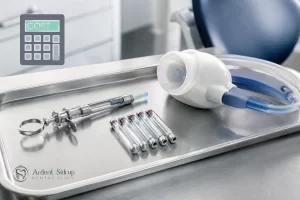
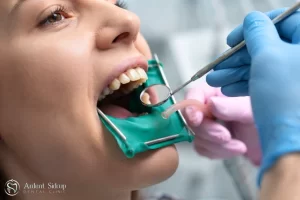
Guided tissue regeneration, or GTR, is used when gum disease has eaten away at the support holding a tooth in place. In GTR vs GBR terms, GTR is the option your dentist considers when the priority is improving the attachment around a natural tooth, rather than building up a thin implant site. During treatment, the area is cleaned thoroughly, and a small membrane is positioned to protect the defect. This creates a protected space so the slower healing tissues can re-establish support instead of being crowded out by the gum.
GTR is most suitable when the defect is well-shaped, the tooth has a fair long-term outlook, and home cleaning standards are strong. Your clinician will also factor in smoking, diabetes control, and bite pressure. If the main limitation is insufficient jawbone for an implant, a bone graft or GBR may be the better fit.
What Is Guided Bone Regeneration (GBR) for Dental Implants?
Guided bone regeneration, known as GBR, is used when an implant site is simply too thin or shallow to hold an implant securely. When comparing GTR vs GBR, GBR is the bone-building option, often needed after a tooth has been missing for a while or when the ridge has reduced following extraction. During the procedure, your clinician places bone graft material where volume is lacking and covers it with a membrane. The aim is to protect the area so the body can form new, stronger bone rather than letting soft tissue collapse into the space.
GBR may be done as a separate step before implants, or alongside implant placement when the implant can still achieve initial stability. A scan, the size of the defect, and your health factors, such as smoking or diabetes control, all influence the plan and healing timeline.
GTR vs GBR: The Most Important Differences (Soft Tissue vs Bone)
If you are weighing up GTR vs GBR, start with a simple distinction: are you trying to keep a natural tooth supported, or are you trying to create enough bone to place an implant safely? GTR is typically used in periodontal cases where the problem is attachment loss and deep pockets around a tooth. GBR is different. It is used when the jaw has thinned, and you need bone volume to achieve a stable, long-lasting implant foundation.
The practical knock-on effects matter to patients. GTR planning is driven by gum measurements and the shape of the periodontal defect. GBR planning is driven by scan findings, ridge width, and whether an implant can achieve primary stability. Both can involve membranes, but the goals, materials, and success checks are not the same.
When Dentists Recommend GTR vs GBR (Common Clinical Scenarios)
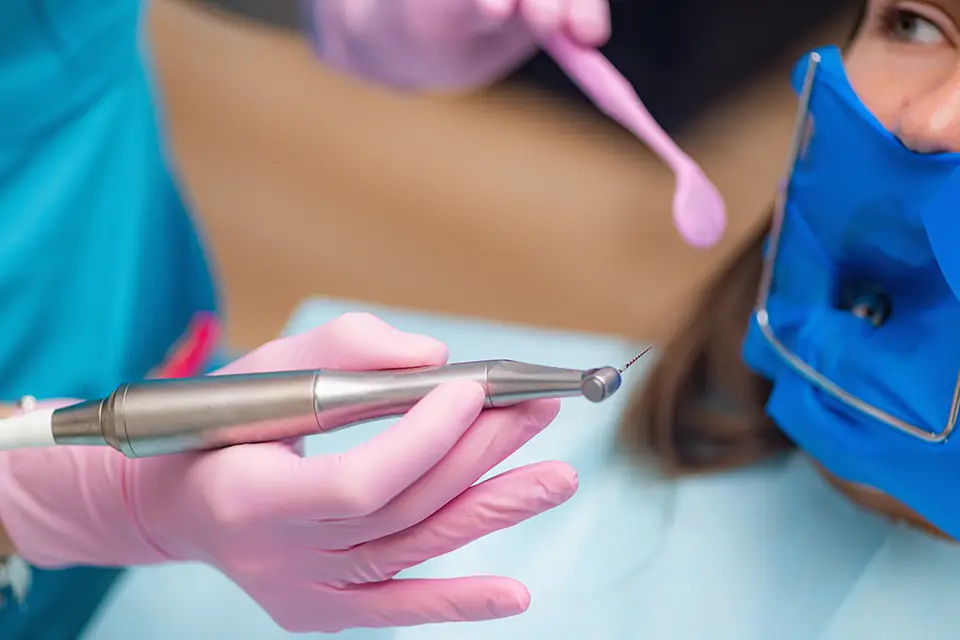
Dentists raise the GTR vs GBR question when your exam shows real tissue loss, but the “right” fix depends on what you want to achieve and what your scans actually show. A plan should be site-specific, based on measurements, not assumptions.
- GTR is usually considered when there are deep gum pockets and a narrow, contained defect beside a tooth, especially if the main problem is attachment loss and the tooth is worth preserving.
- GBR is more likely when the ridge is too thin for implant stability, or the bone has shrunk after extraction, leaving insufficient volume for primary stability at placement.
- Sometimes treatment is staged, but improving daily plaque control and managing smoking risks are essential before any regenerative procedure.
Success Rate, Procedure, Healing Time, and Cost: GTR vs GBR
Most people weighing up GTR vs GBR want straight answers about predictability, downtime, and cost, not vague promises. Both treatments can work well when the site is suitable, and you can keep the area clean, but “success” is measured differently.
Success rate
When comparing GTR vs GBR, outcomes depend on defect shape, plaque control, smoking, and medical factors such as diabetes management. For GTR, improvement is tracked through pocket reduction and stronger support around the tooth. For GBR, clinicians look for usable bone volume that allows a stable implant position.
Procedure and healing time
GTR is done around a natural tooth after careful debridement, then a membrane protects the healing space. GBR is done at an implant site using graft material plus a membrane to maintain volume. Comfort usually settles within days, soft tissue heals over weeks, and bone maturation often takes several months.
Cost in the UK
Fees for GTR vs GBR often sit within a broad four-figure range, but the final cost varies with defect size, materials, and whether implants are included, so an assessment is essential.
Risks, Limitations, and Aftercare (What Patients Should Know)
Regenerative treatment is not “set and forget”. With GTR vs GBR, predictability improves when you understand the common risks and follow aftercare closely, especially in the first few weeks.
- The main limitations include membrane exposure, delayed healing, infection, and graft disturbance, which can reduce bone formation or periodontal improvement.
- Smoking, poor plaque control, and uncontrolled diabetes can significantly lower healing quality, so risk factors should be addressed before surgery.
- Aftercare usually includes gentle cleaning around the site, chlorhexidine use if prescribed, a soft diet for a short period, and keeping review visits so your clinician can check stability and adjust instructions early.
Conclusion: Book a GTR vs GBR Assessment in Sidcup
By the time you reach the end of a GTR vs GBR comparison, the real question is usually personal: are you trying to keep a tooth comfortable and stable, or are you preparing a site for an implant that will last? The next step is not guessing. It is a focused exam with gum measurements and appropriate imaging, so the plan matches the defect, your bite, and your risk factors.
If you want a clear answer and a practical timeline, book a consultation at Ardent Sidcup Dental Clinic, 150 Halfway St, Sidcup DA15 8DG. We will talk through the findings, explain your options in straightforward terms, and outline costs and aftercare so you know exactly what you are signing up for.
FAQs
Can I have GTR or GBR if I smoke or have diabetes?
Smoking and poorly controlled diabetes can reduce healing predictability and raise complication risk. Your dentist may advise risk reduction and stabilising medical control before surgery for safer outcomes.
Is GTR or GBR painful, and will I need time off work?
Most patients manage with local anaesthetic and standard pain relief. You may return to desk work quickly, but avoid heavy exercise and pressure on the area during early healing.
How do dentists confirm whether I need GTR vs GBR?
A periodontal exam plus gum measurements and imaging, sometimes CBCT, shows defect shape and bone volume, so the plan is matched to your goal and bite forces.